
No Two Old Mine Cut Diamonds Are Alike. That’s The Point.
Before modern precision cutting, every diamond was shaped by hand. Old mine cuts still show it: slightly irregular, completely individual and nearly impossible to replicate.
There’s something about an old mine cut diamond that feels different the second you see it. The shape might lean a little to one side. The facets might not quite match. The sparkle is softer, moodier, less predictable. In other words, everything modern diamond cutting learned to perfect is exactly what makes these centuries-old stones so compelling now.
Old mine cuts were never made to look identical. Each one carries the decisions of the person who cut it, resulting in diamonds with chunky facets, pillowy shapes, and plenty of personality. At a moment when almost anything can be replicated, that kind of individuality feels especially good.
Before Diamonds Got Perfect
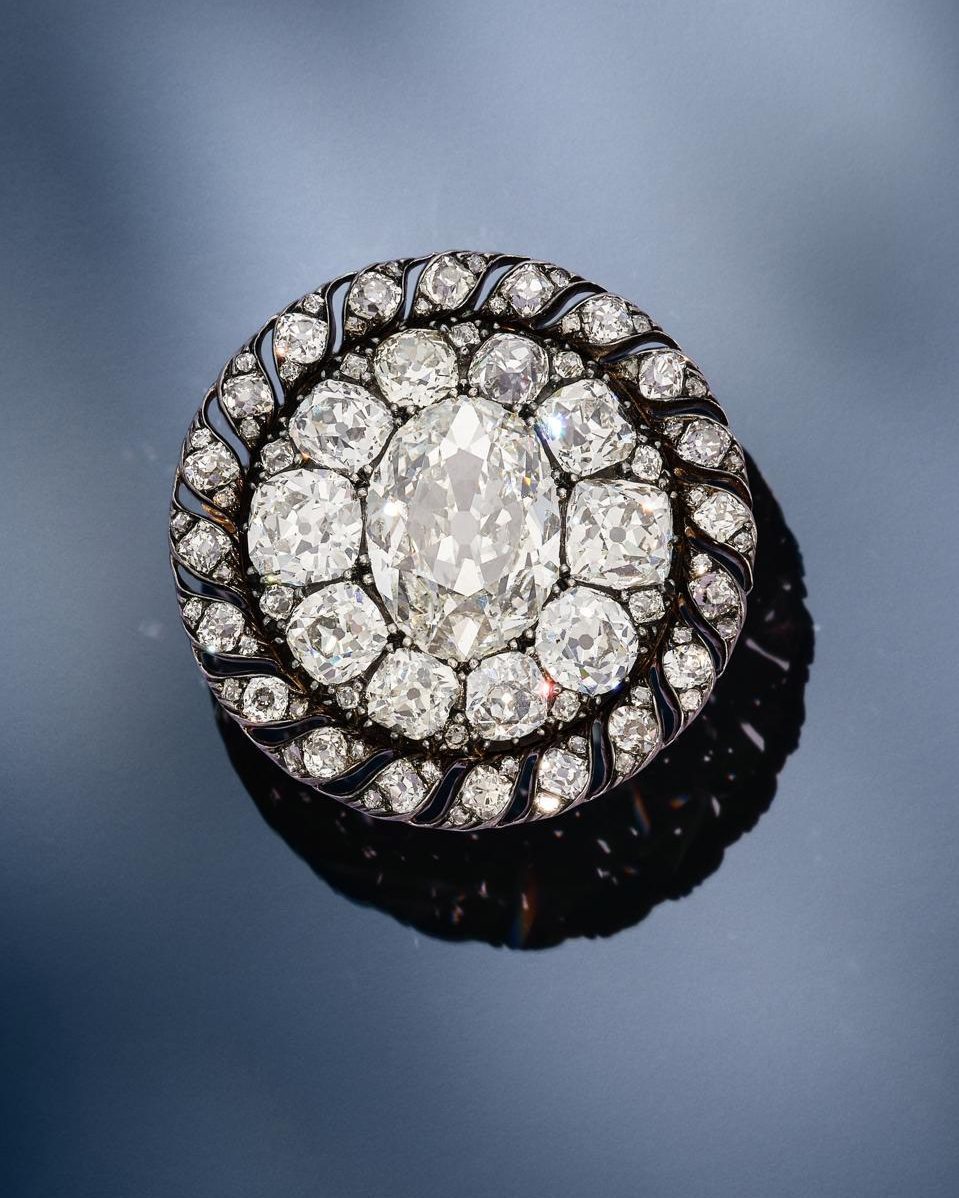
Old mine cuts are one of the earliest brilliant-cut diamond styles, and precision was never really the assignment. They typically have a square or cushion-shaped silhouette with a tall crown, small table, large culet and broad facets designed to come alive in candlelight.
Long before computer mapping or modern cutting technology, every one was shaped by hand. A cutter worked with the individual rough diamond in front of them, placing each facet by eye rather than following a mathematical formula. The result? Subtle asymmetry, unexpected proportions and a diamond with a personality entirely its own.
Although old mine cuts generally have 58 facets, like modern round brilliants, the resemblance mostly ends there. Their higher crowns, softer corners, broad facets and visible culets create bigger flashes of light and a warmer, moodier glow. Think less disco ball, more candlelight.
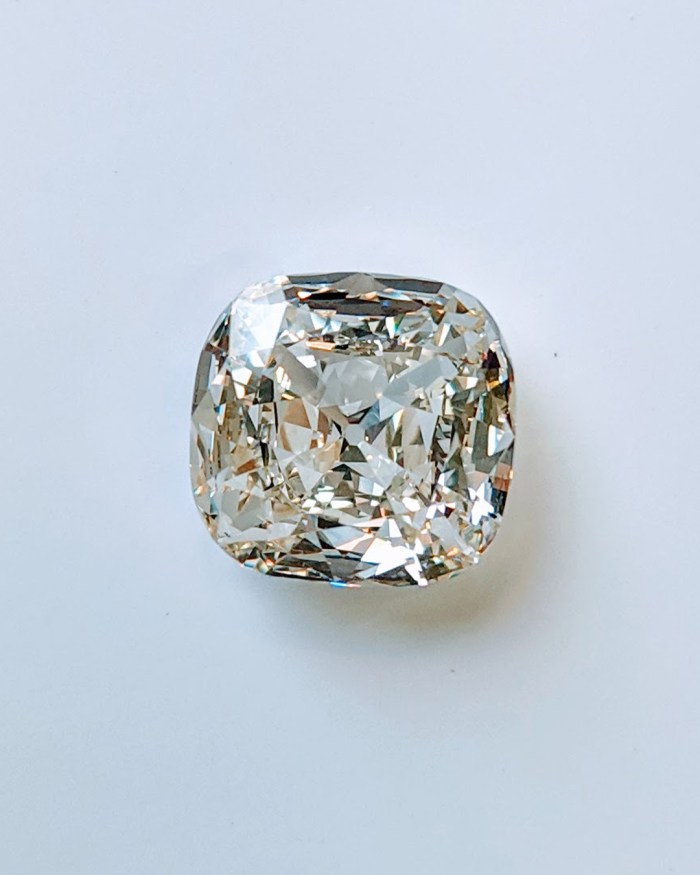

The old mine cut style became popular during the early 18th century after diamonds were discovered in Brazil in the 1720s. Before then, India had been the world’s primary source of diamonds. Brazil’s more abundant supply gave cutters new freedom to experiment with the stones in front of them. Rather than adhering as closely to the rough diamond’s natural octahedral shape to preserve carat weight, cutters began rounding corners and adding facets to create more fire and sparkle.
Even the name “old mine cut” has evolved. Originally, “old mines” referred to diamond sources in India and Brazil, distinguishing them from the major South African deposits discovered later in the 19th century. Eventually, the term became associated with the cut itself rather than where the diamond came from.
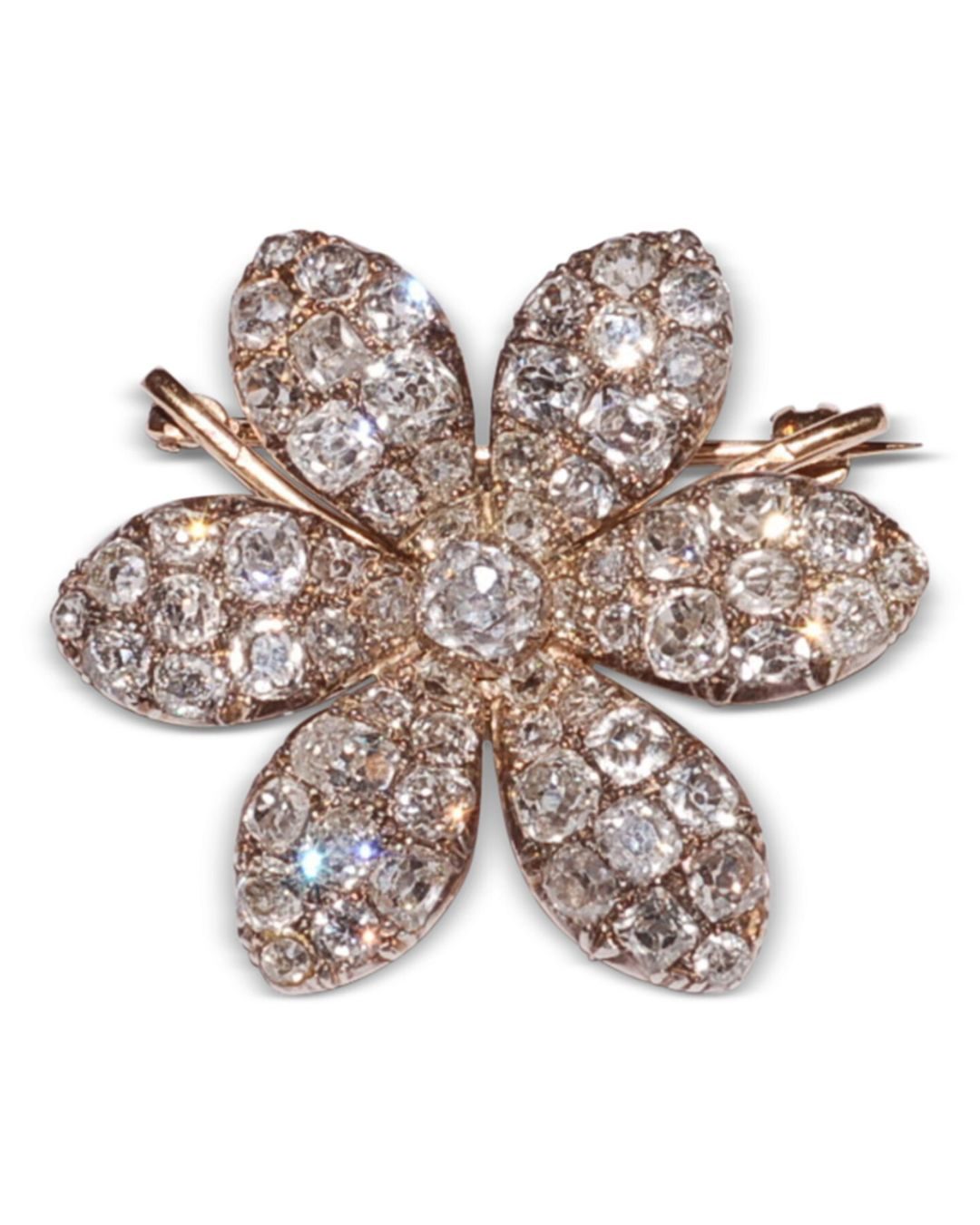
Throughout the Georgian and Victorian eras, old mine cuts became one of the most prevalent diamond cutting styles. Look closely at an antique ring or brooch from the period and there’s a good chance you’ll find one. And because cutters followed the natural shape of each rough diamond, no two came out exactly the same.
The End of the Hand-Cut Era
By the late 19th century, technology started changing what a diamond could look like. The introduction of the bruting machine in 1874 allowed cutters to shape stones with much greater precision, paving the way for the old European cut, with its rounder silhouette, smaller culet, larger table and more balanced proportions.
By the early 20th century, the old European cut was giving way to the modern round brilliant. As cutters learned more about light performance and gained increasingly sophisticated tools, symmetry, brilliance and precision became the new ideal.
There was just one problem for old mine cuts: many were recut to match it. Original stones were reshaped into newer cuts, meaning a finite number of authentic old mine cut diamonds survive today. That also means the originals left today are increasingly rare.
Old Cut, New Energy
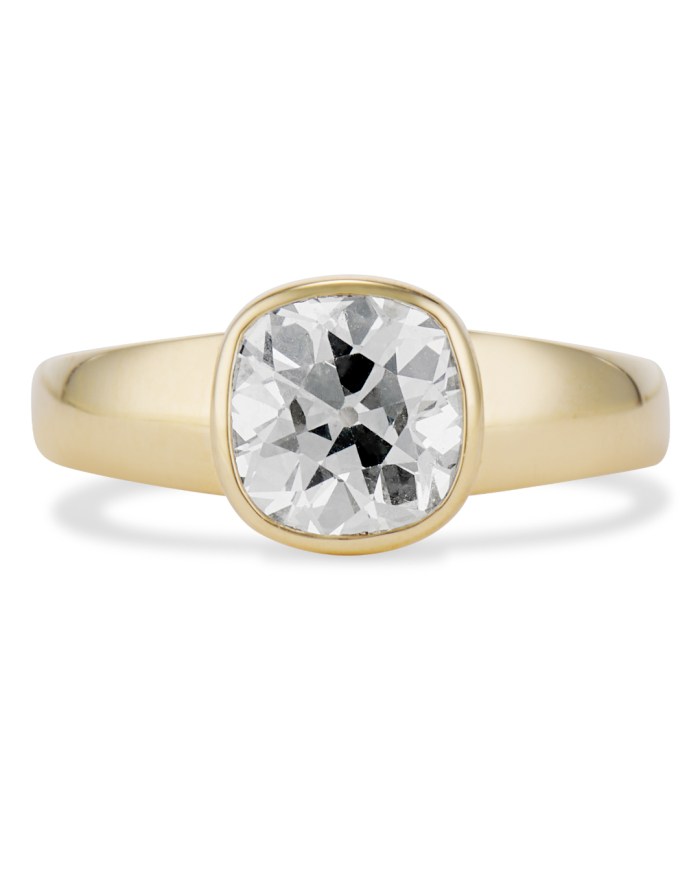
While modern cuts dominate today’s diamond market, individuality is looking a lot more interesting. The imperfections of old mine cut and other vintage diamonds aren’t seen as flaws but rather as proof of craftsmanship and authenticity. No two are exactly alike, and that’s precisely what makes them so desirable.
They offer a softer, more romantic aesthetic than modern brilliants, with broader flashes of light and a deeper, more mysterious glow. Old mine cut diamonds provide a more intimate connection to the past when gemstones were valued for their rarity and character over brilliance.
For people who want jewelry that doesn’t look like everyone else’s, the old mine cut makes a pretty convincing case. You’re not choosing a standardized shape that can be reproduced over and over—you’re choosing that diamond.
The old mine aesthetic is no longer limited to stones that have survived a century or two. As demand for antique-inspired diamonds has grown, some modern cutters have returned to the proportions and visual language of old mine cuts.
These newly cut diamonds aren’t antiques, but they capture many of the details people love about the originals: soft cushion-like shapes, chunky facets and a less uniform look. It’s old-world energy without the antique hunt.
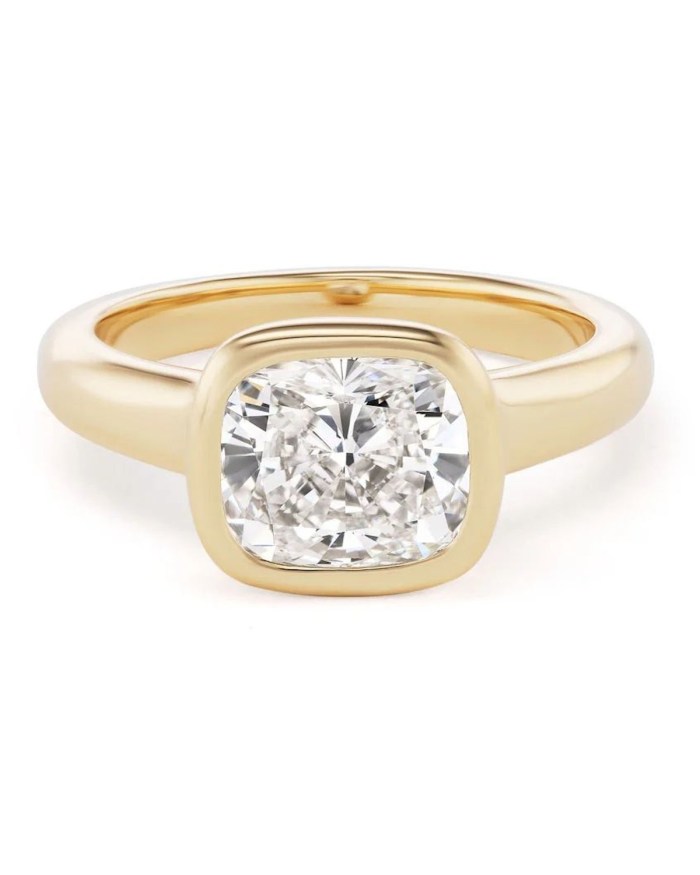
And if you love the pillowy shape but want something with more modern brilliance, look at a cushion cut. It keeps some of the softness associated with an old mine cut while using contemporary facet patterns and proportions to maximize light performance.
How to Find the Real Deal
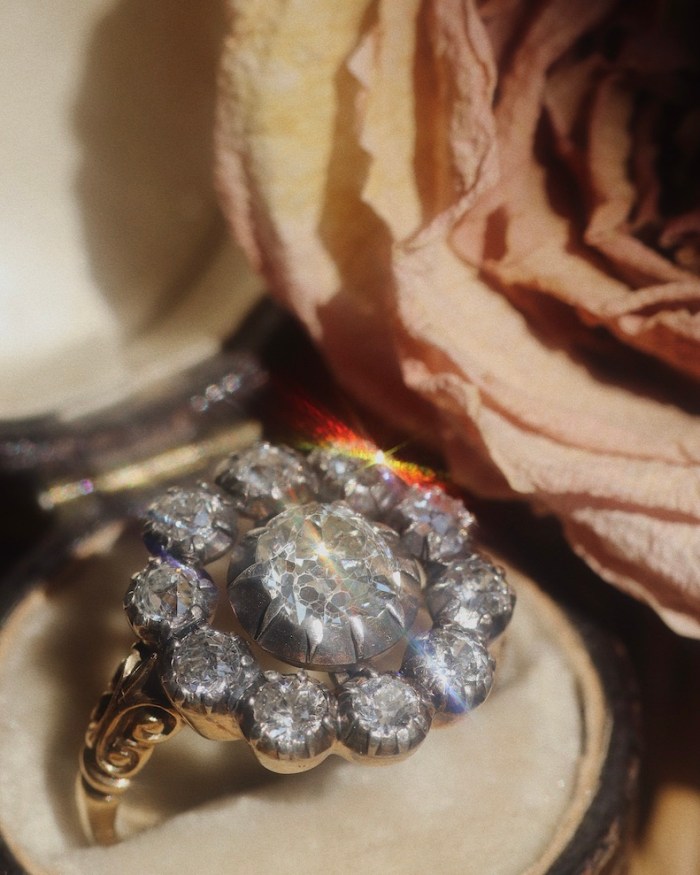
If you want an authentic antique old mine cut, start with a jeweler who specializes in antique or vintage jewelry. The category isn’t about finding one “perfect” set of proportions, so seeing different stones in person can help you understand which shapes, facet patterns and quirks you actually love.
You can also find old mine cuts through estate dealers, antique shops and auctions. Because these diamonds predate modern standardized grading, expect variation in color, clarity, symmetry and proportion. With old mine cuts, those differences aren’t something to automatically edit out of the equation. They’re often the whole point.
The Old Mine Cut Edit
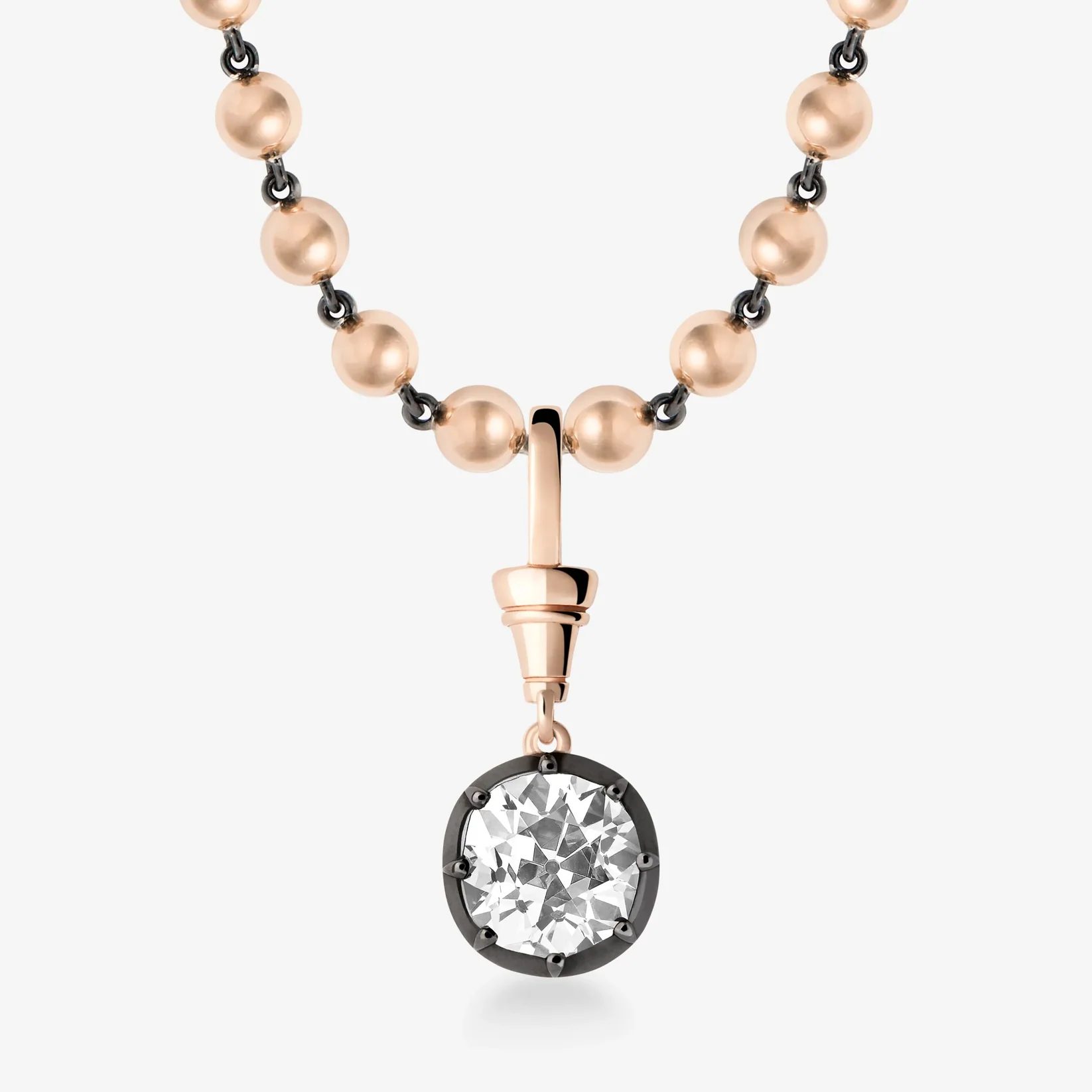
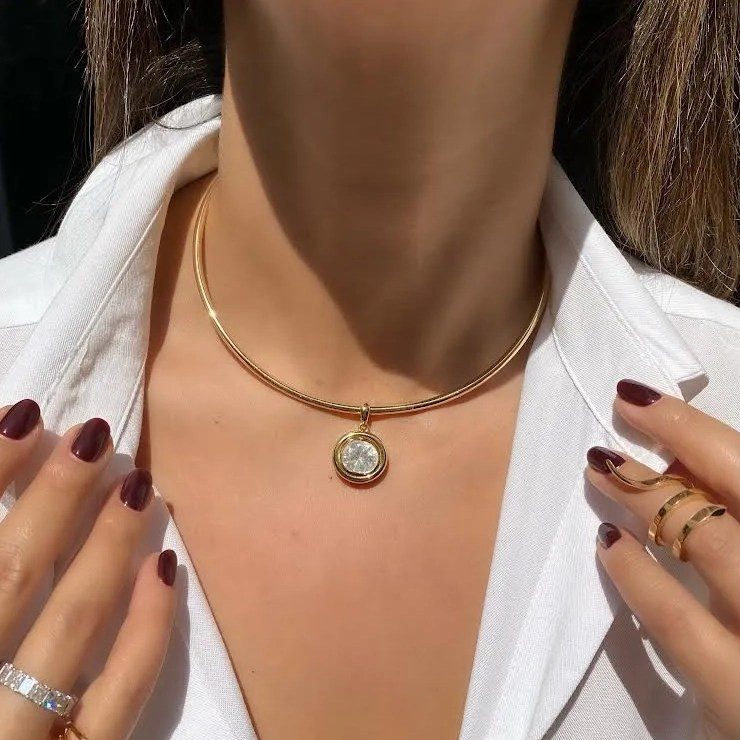
Jessica McCormack Ball ‘n Chain Old Mine Cut Diamond Pendant, Price Upon Request, jessicamccormack.com
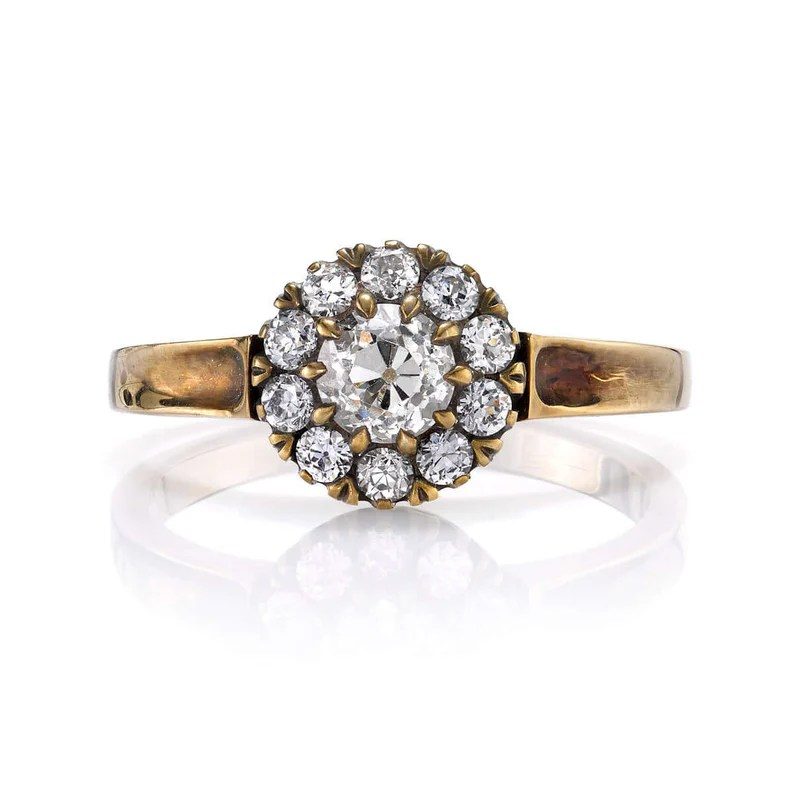
Single Stone Talia Ring, $6,600, croghansjewelbox.com
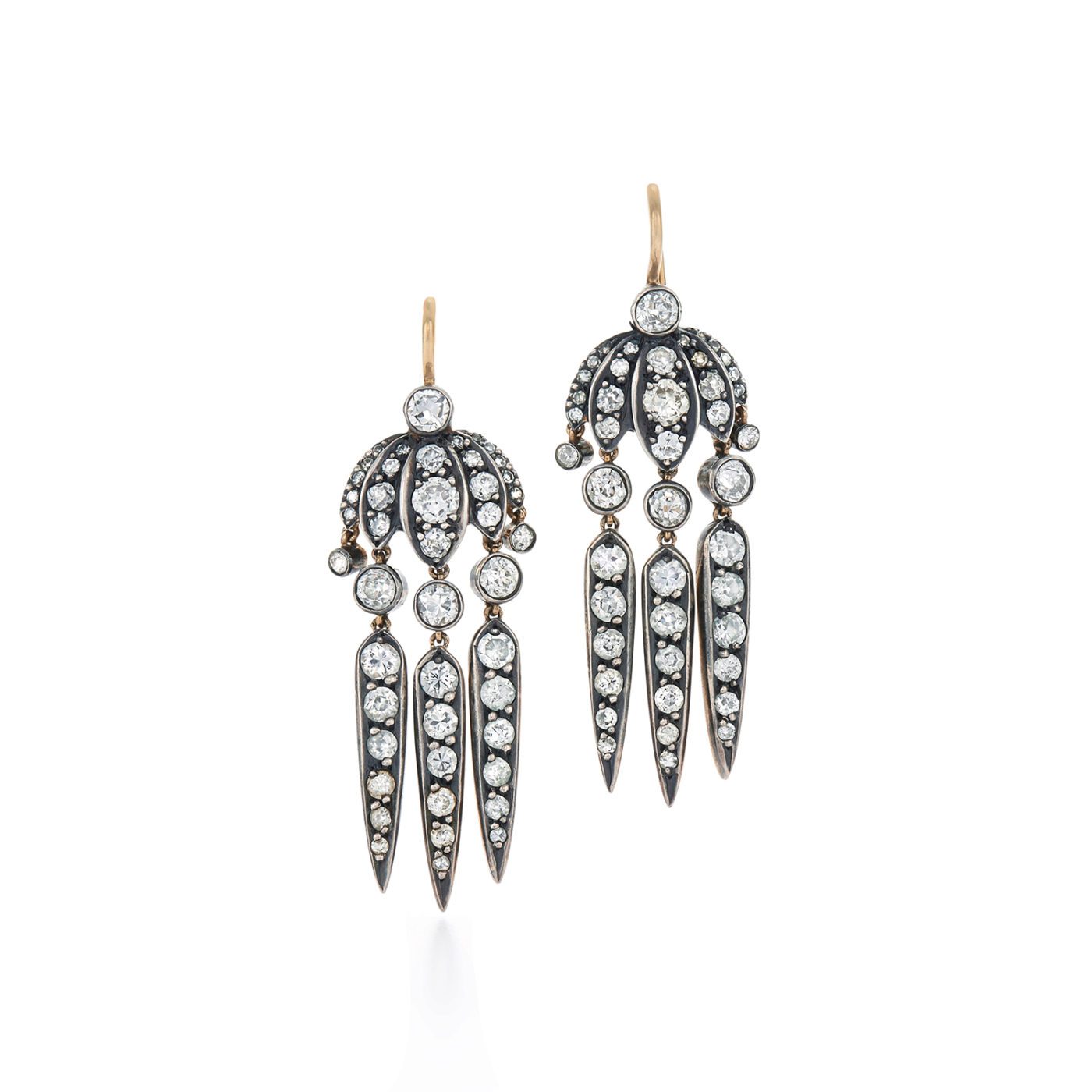
Fred Leighton Flower Dart Diamond Earrings, $15,400, fredleighton.com
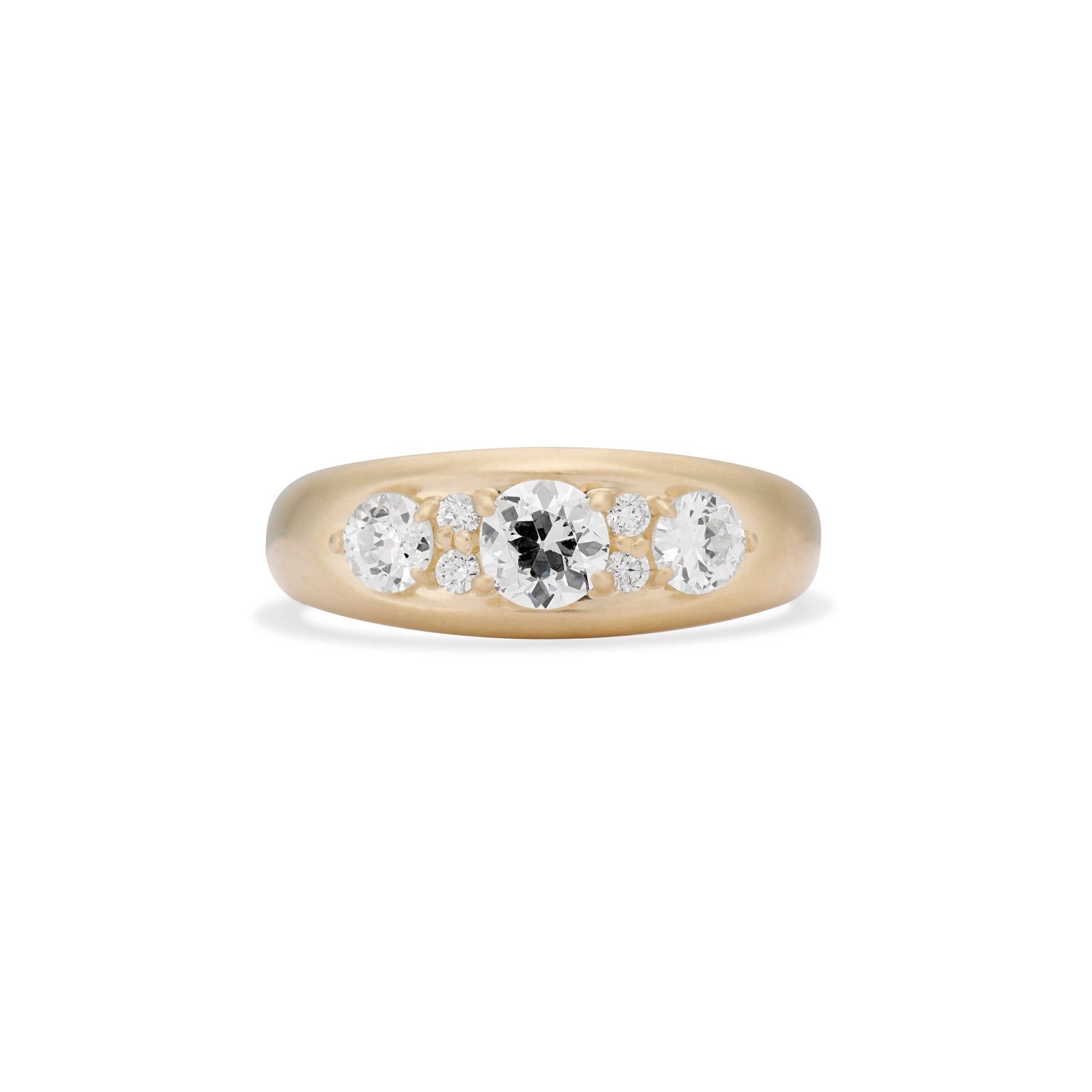
ASHLEY ZHANG JEWELRY PALOMA OLD MINE CUT DIAMOND RING, $5,400, ashleyzhangjewelry.com
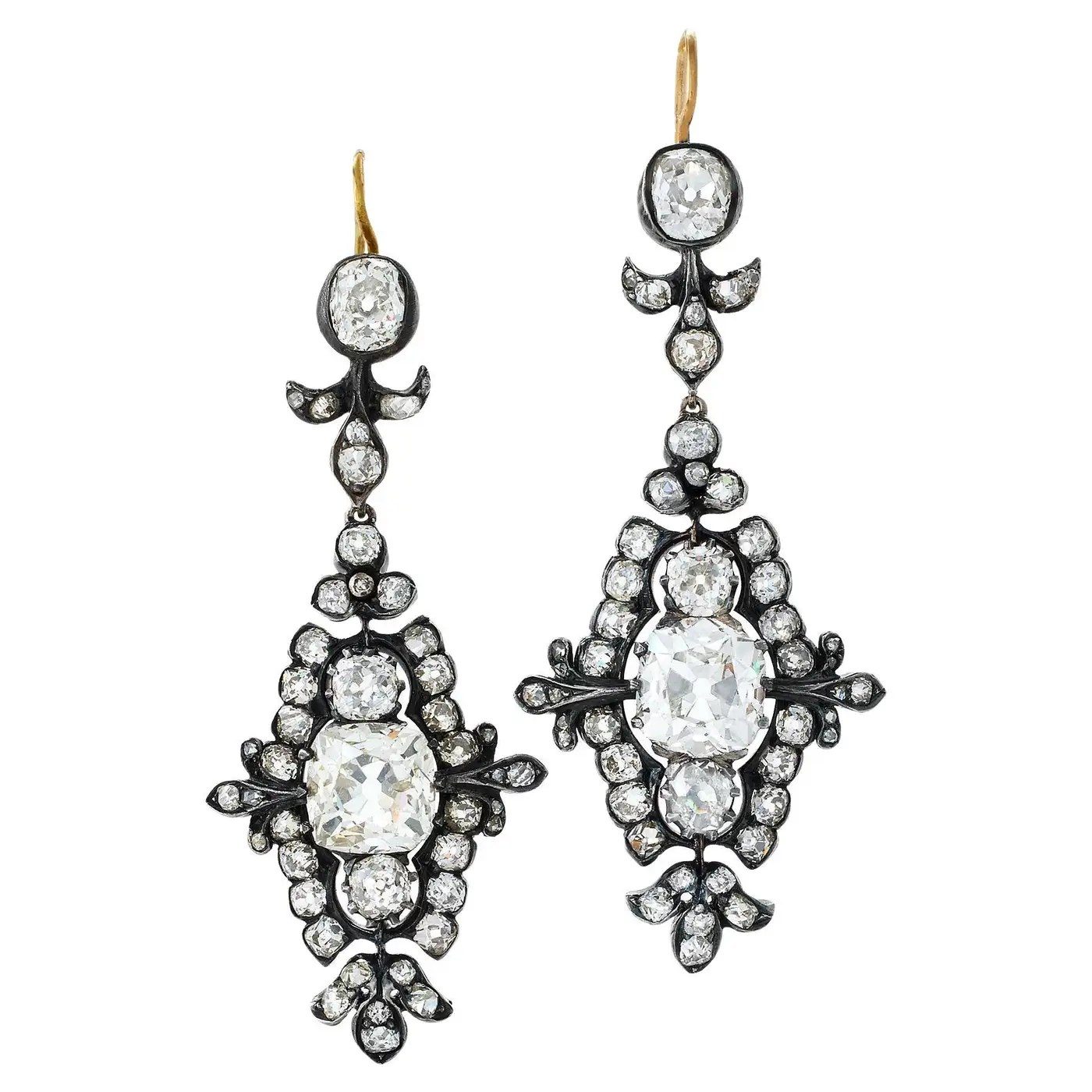
1stDibs Old Mine Cut Diamond Pendant Earrings, $60,000, 1stdibs.com
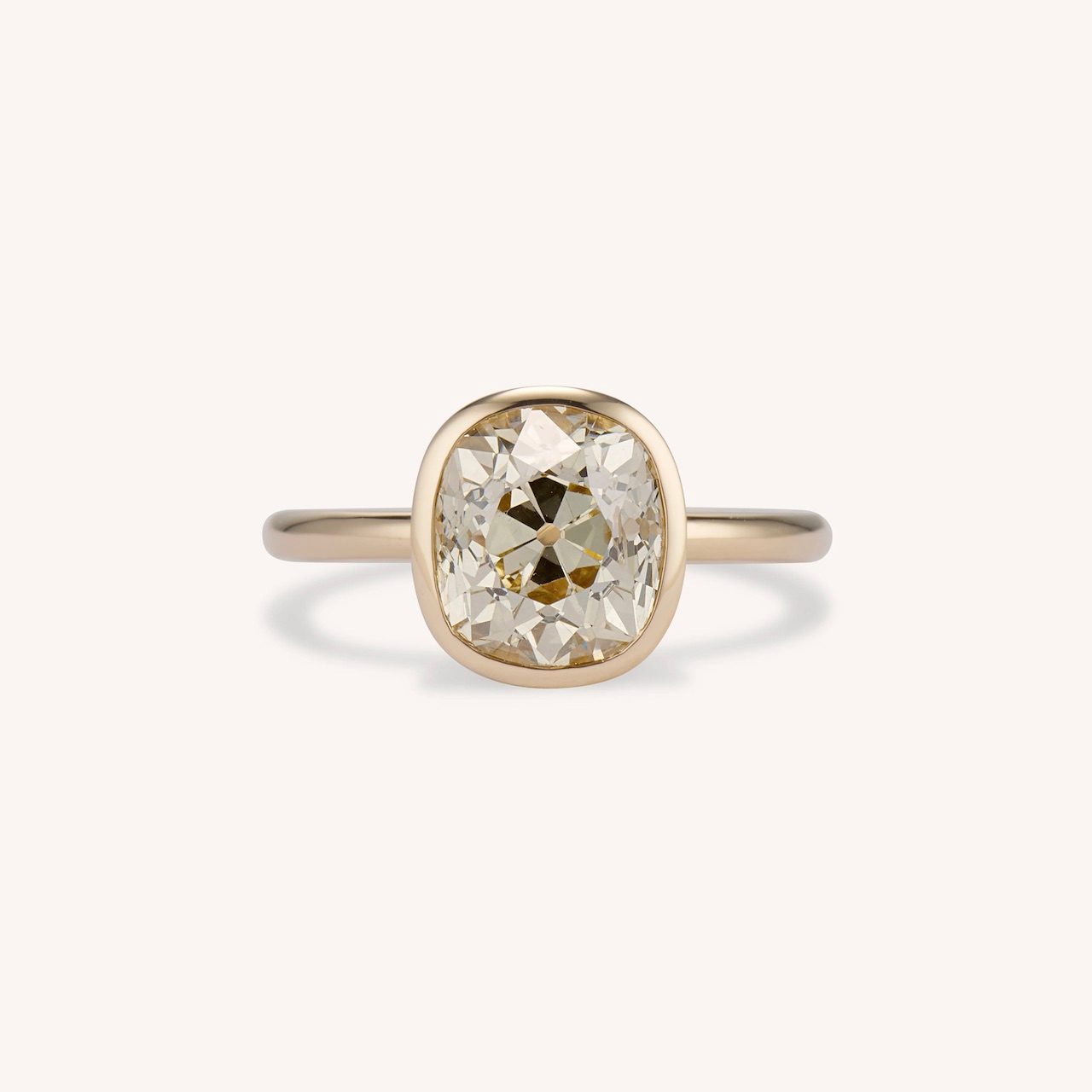
Erstwhile Classic Old Mine Cushion Cut Diamond Bezel Solitaire Engagement Ring, $35,000, erstwhilejewelry.com
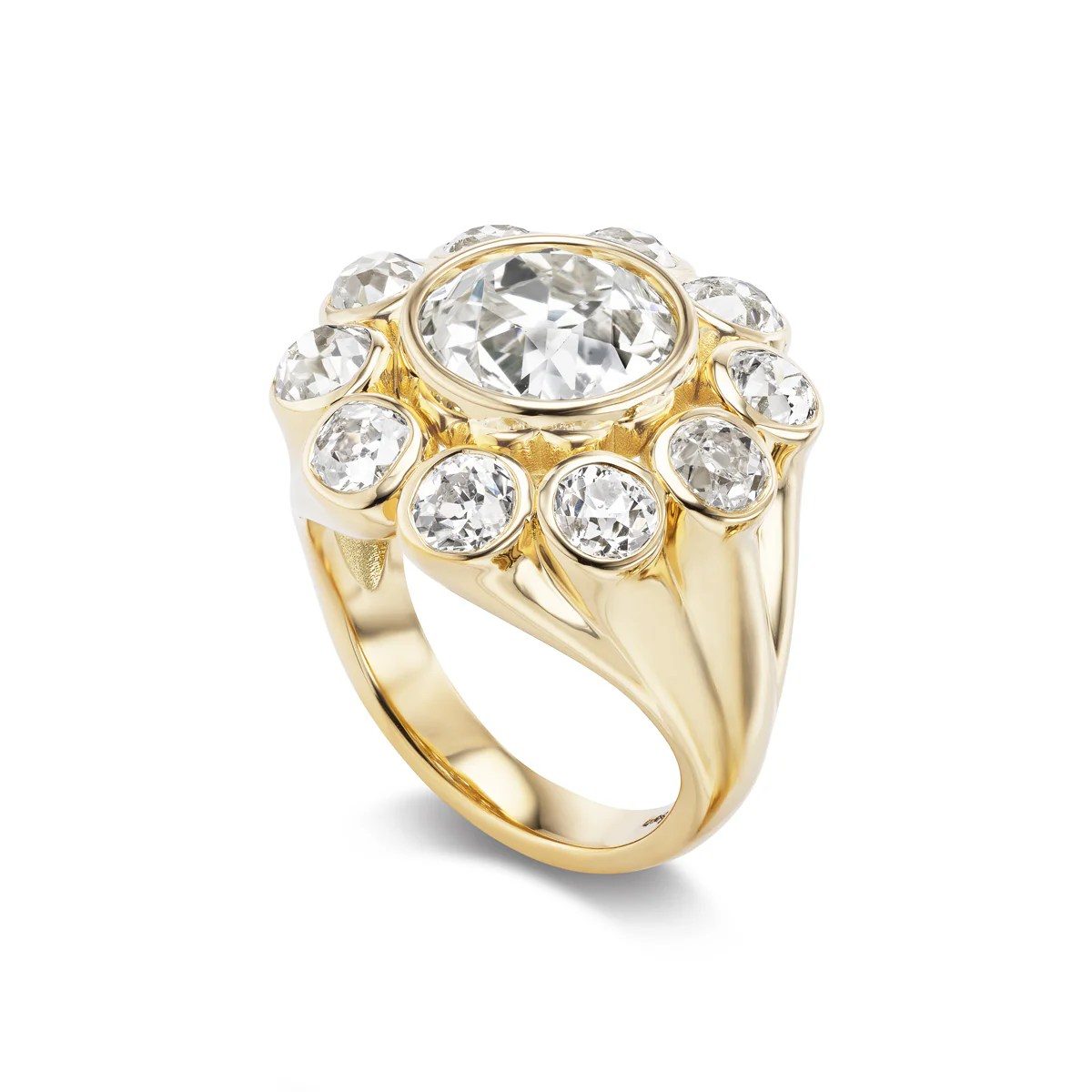
Brent Neale Wildflower Ring with Round Diamond and Diamond Petals, Price Upon Request, brentneale.com
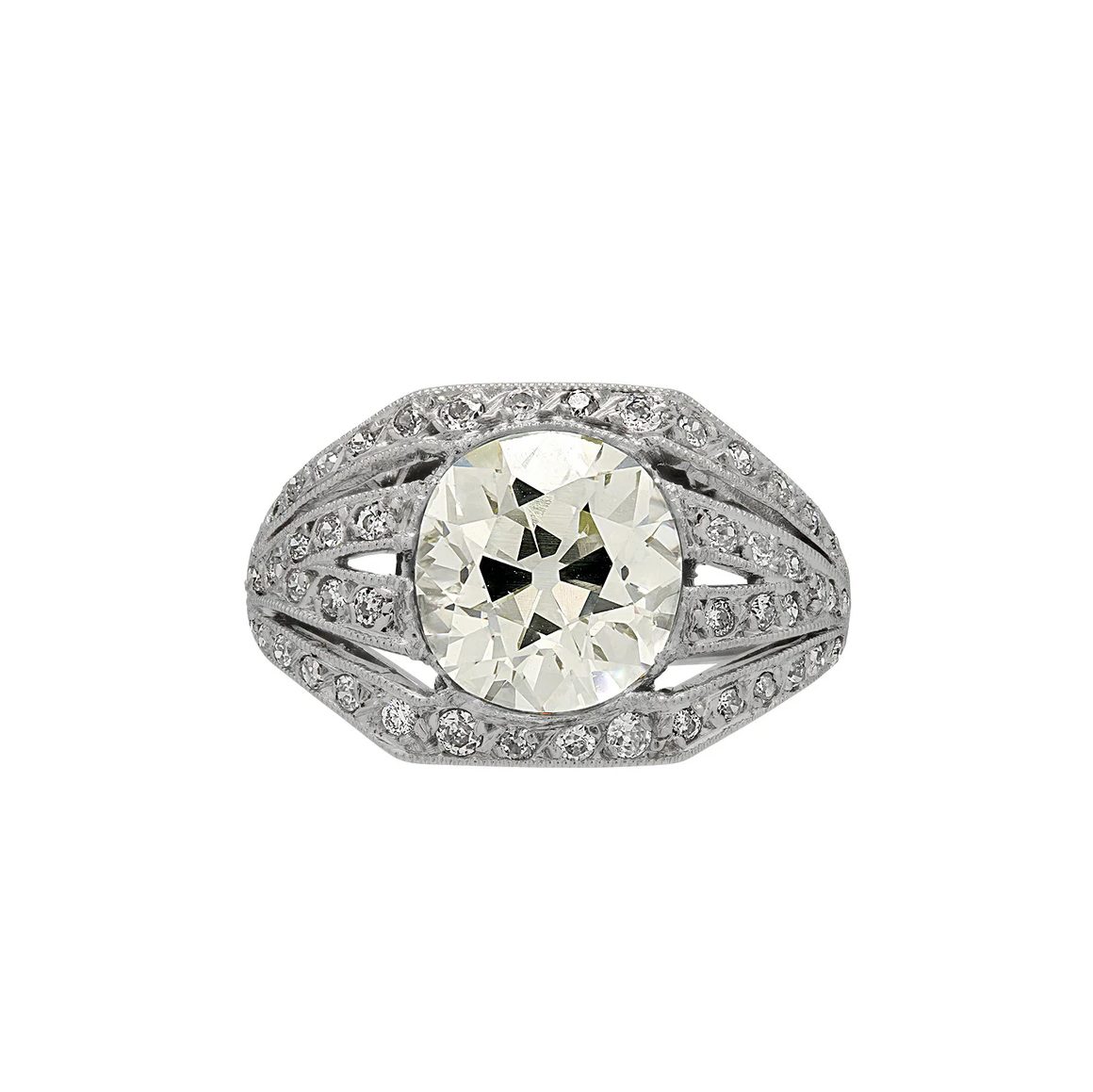
Beladora Mid-Century Old Mine Cut Diamond Ring, $19,500, beladora.com
Newsletter