
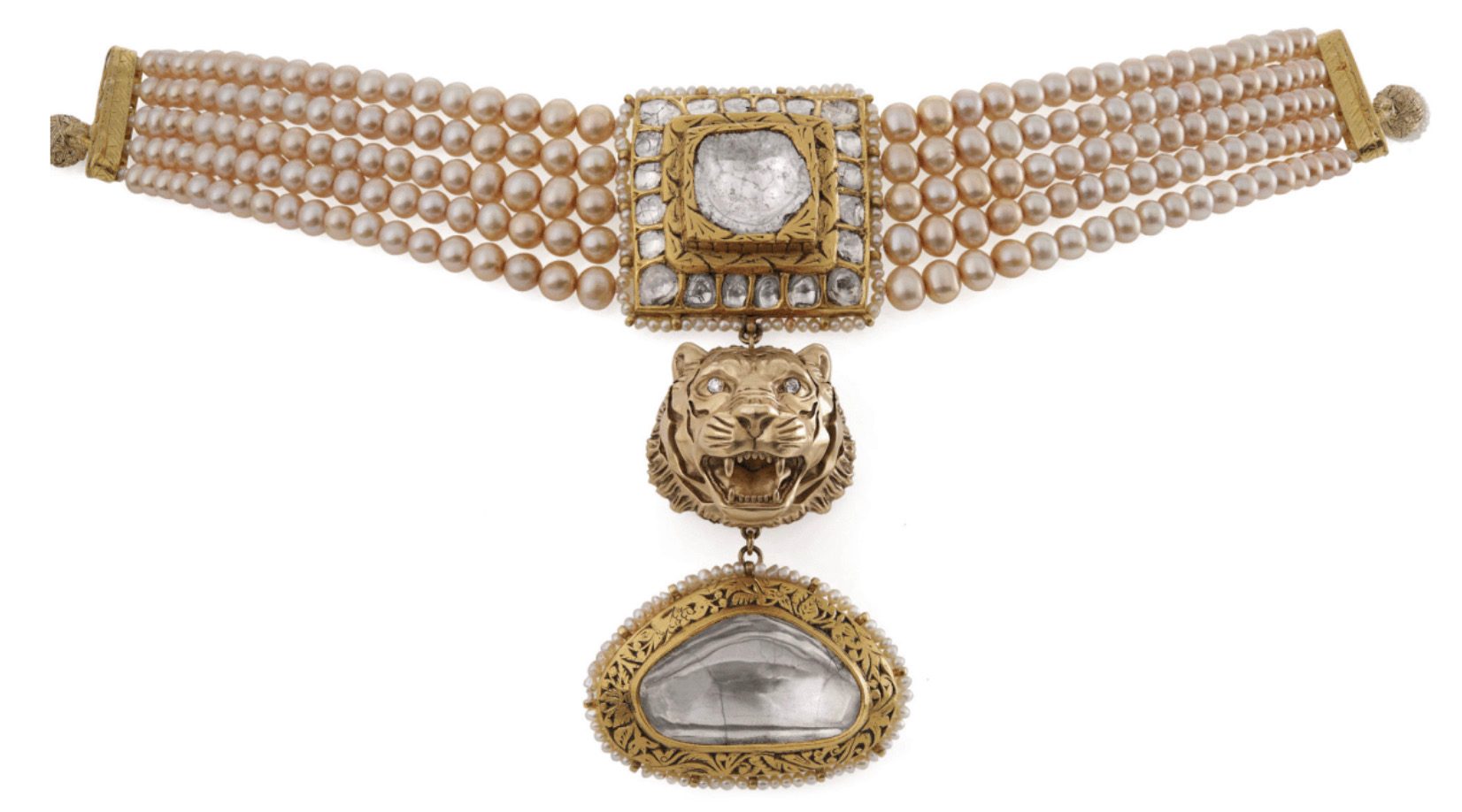
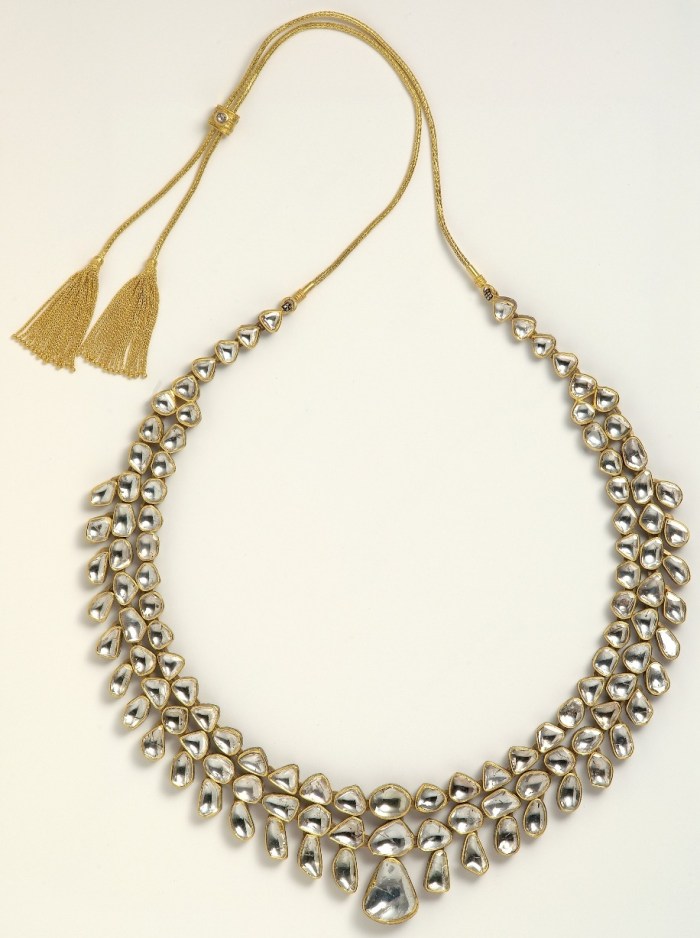
Sabyasachi Polki Diamond Necklace (Courtesy of Sabyasachi)
The World’s Oldest Diamond Cut
Is Now Everyone’s Favorite
Soft glow, organic shapes, and not a perfect facet in sight. After 2,500 years, polki diamonds still do things their own way.
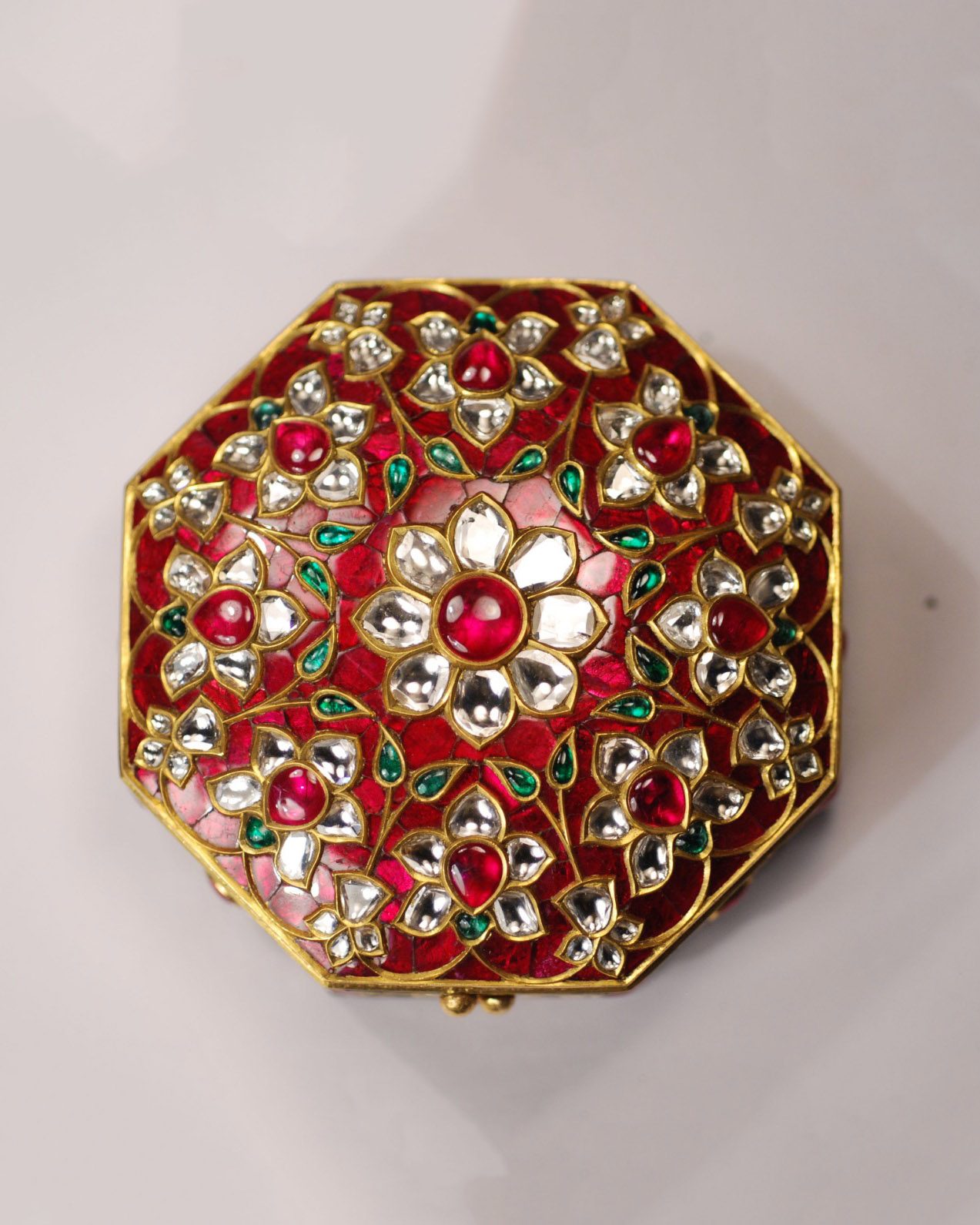
Before diamonds were cut for maximum sparkle, there was polki. For thousands of years, these softly polished diamonds have been prized for something entirely different: keeping the character of the original stone beautifully intact.
“Polki diamonds reflect light as if the sun was hitting a beautiful body of water,” says Siddharth Kasliwal, who is from the storied family-owned jewelry house Munnu Gem Palace.
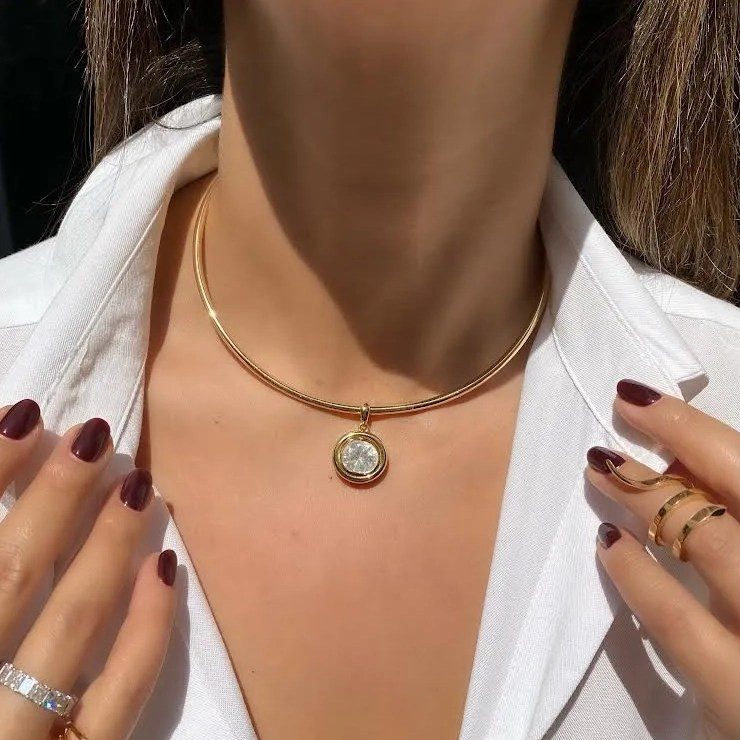
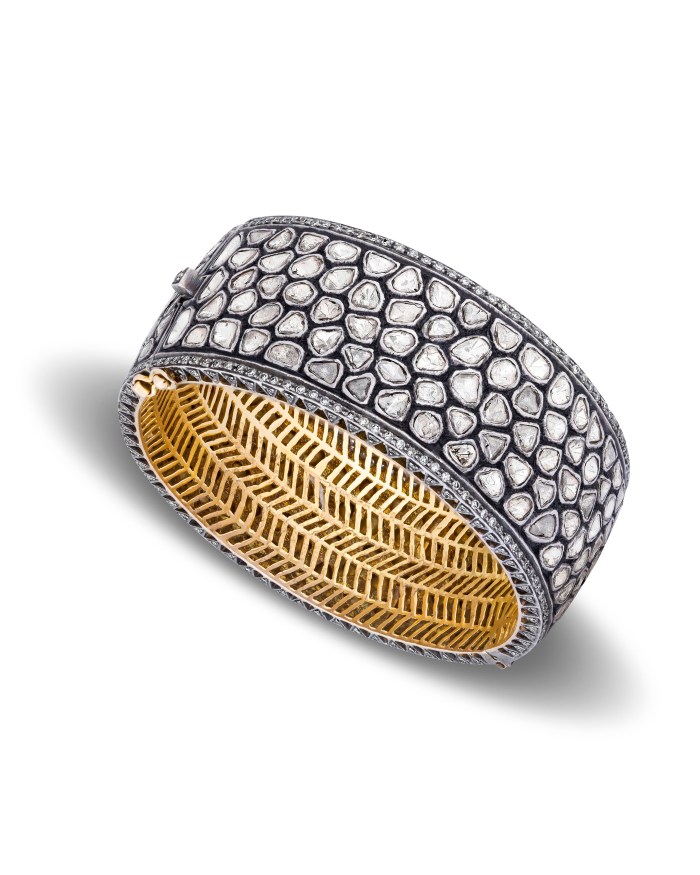
That glow is part of what makes polki so distinctive. Rather than the precise facets and high-wattage sparkle associated with many modern diamond cuts, polki diamonds have a softer luminosity and organic shape. They’ve even been described as glowing like the moon.
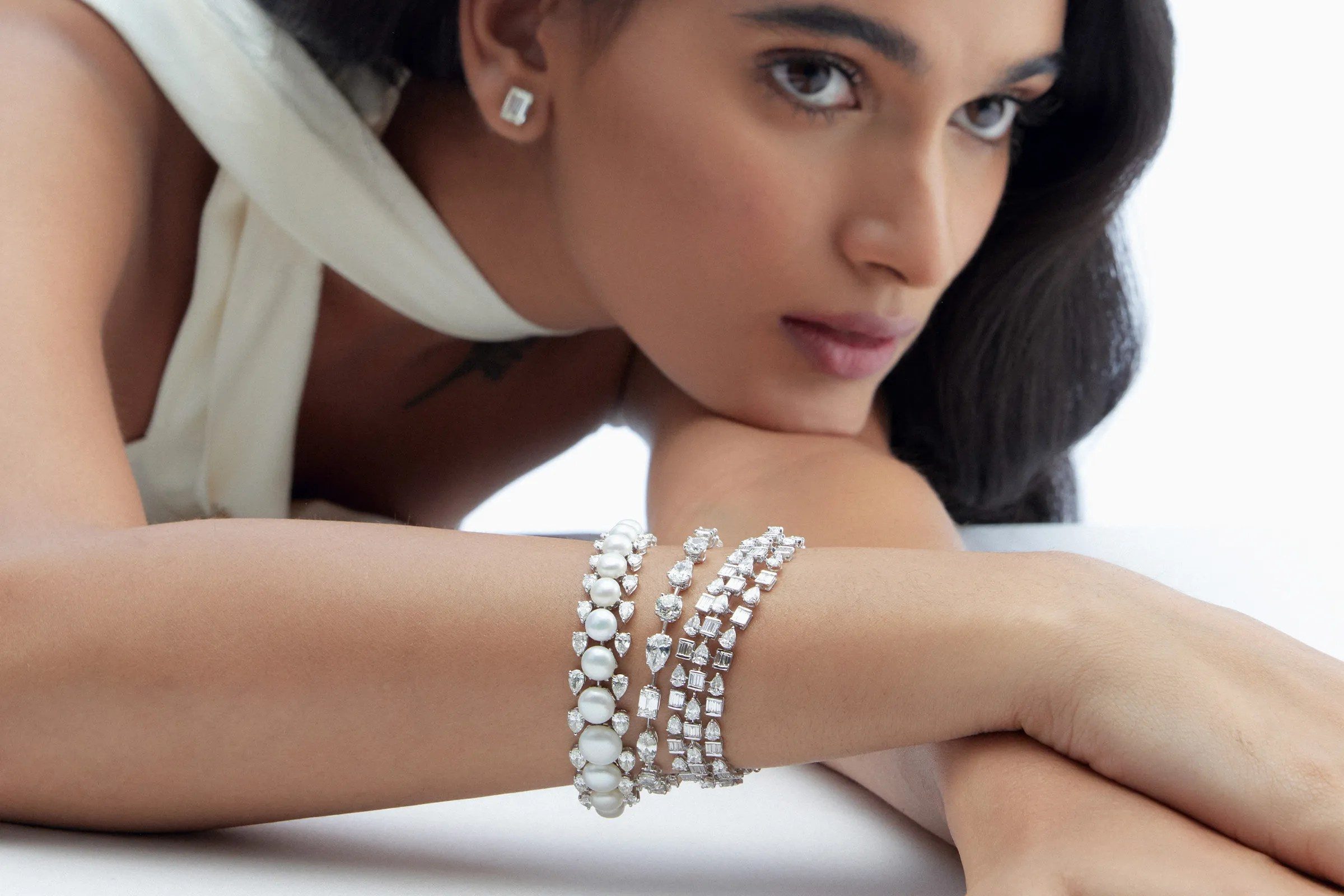
Centuries after they first appeared, that beautifully imperfect look feels surprisingly current. Designers are setting polki into everything from sculptural rings and diamond bands to elaborate necklaces and earrings, introducing one of jewelry’s oldest traditions to an entirely new generation.
Certified Organic
Just about everyone wants a natural diamond, but not everyone wants the same style or cut. Many people covet traditional diamonds, which are precision cut with multiple facets to reflect the light and create the maximum sparkle.
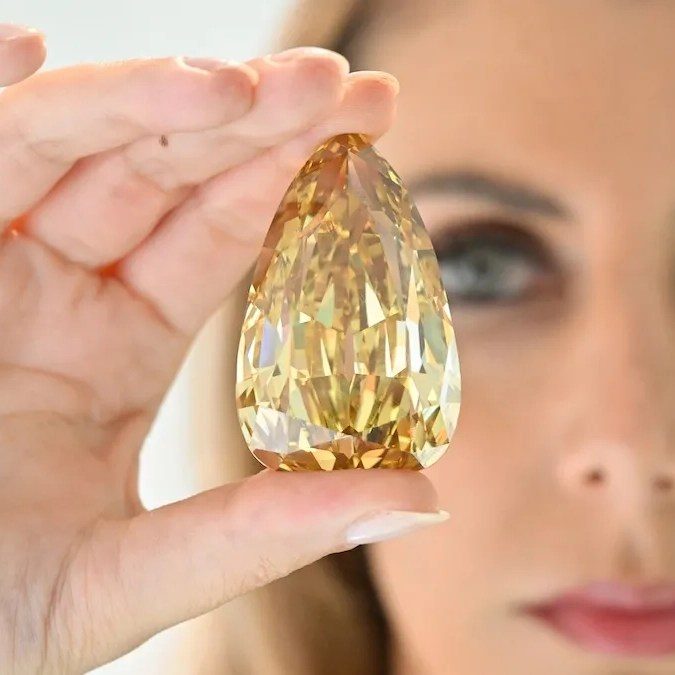
The polki diamond, in contrast, is imperfectly shaped, smooth and radiates a soft glow.
Actually, these diamonds are often described as ‘uncut’ because it isn’t faceted, but softly rounded to smooth out its inherent edges, and polished to retain its natural structure; the final effect is like a tumbled stone— imperfectly formed but smooth, with an organic appearance.
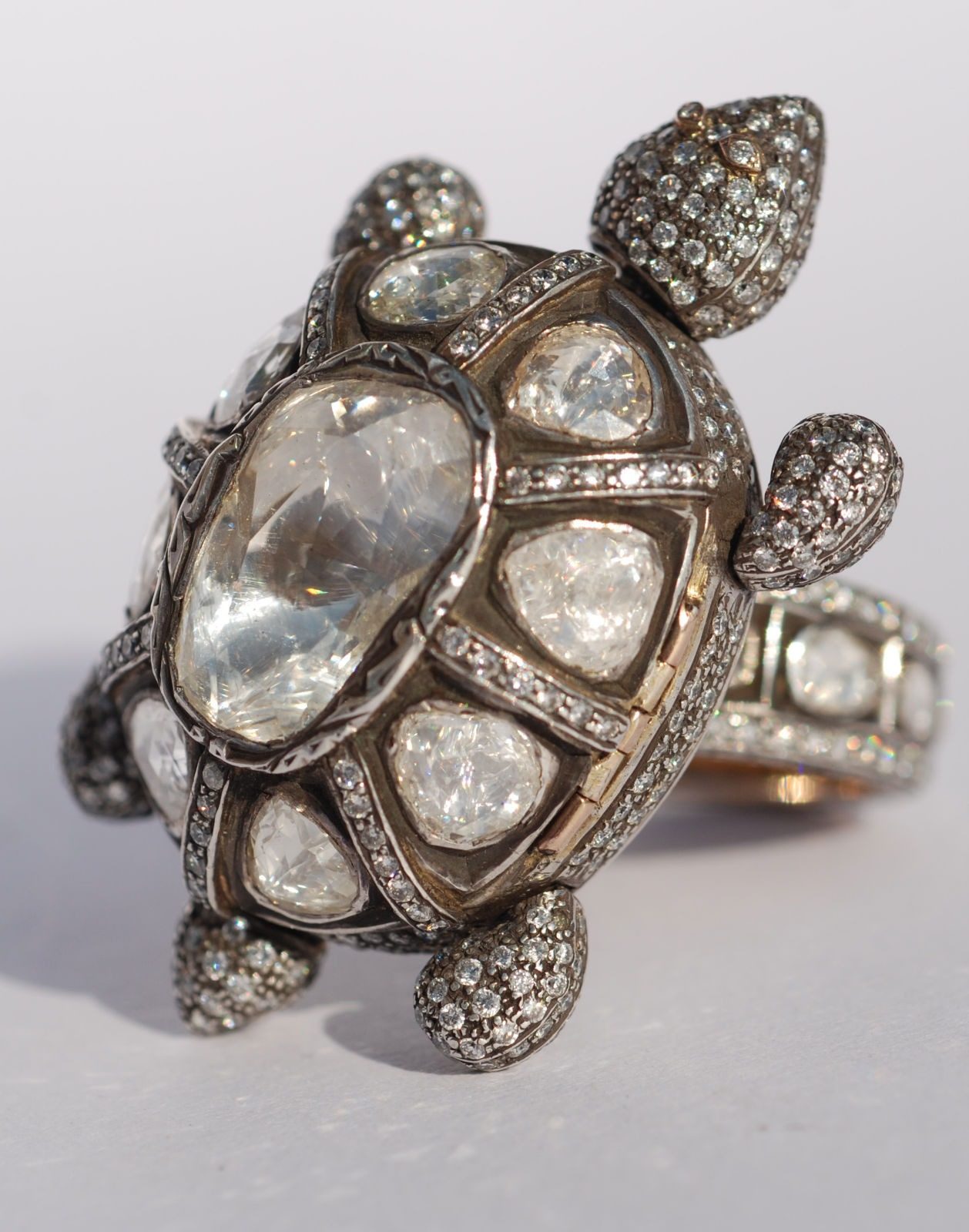
From Maharajas to Right Now
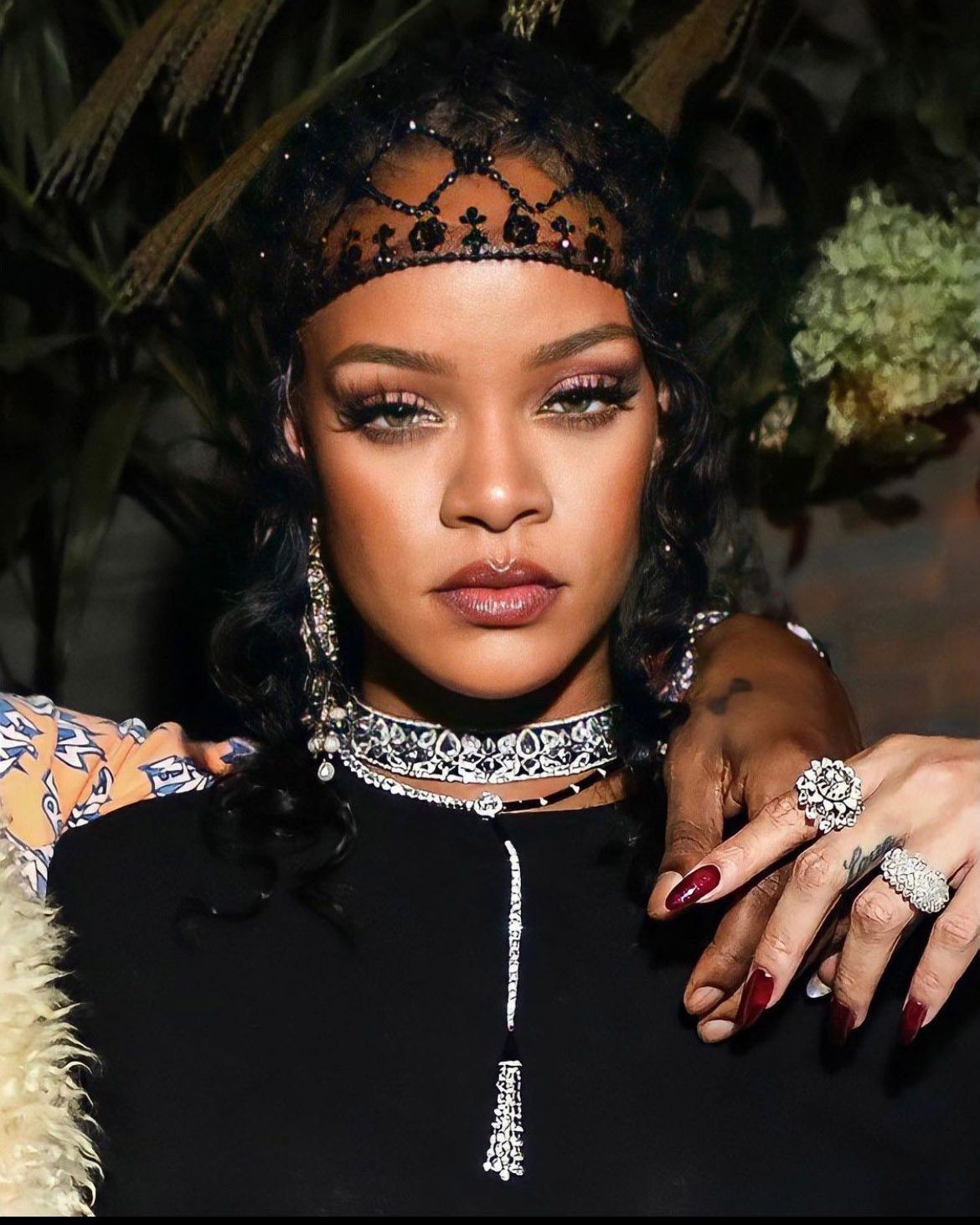
Polki diamonds originated in India, the source of the world’s first diamond discoveries, about 2,500 years ago. “Dating back to the Maharajas, these diamonds have been prominently used for the most significant ceremonial jewelry creations, from daggers and plates to chess sets and magnificent necklaces,” explains Kasliwal. “Even today the most intricate and complex creations for important ceremonies in India are made with polkis.”
Kasliwal’s family business has an archive dating back to the 18th century featuring their lavish polki diamond jewelry designs. The stones aren’t just reserved for just traditional jewelry anymore; Kasliwal says polki stones are starting to pop up frequently in more contemporary, refined pieces.
“From the most traditional jewels my forefathers made for the Maharajas, to the designs I find myself sketching, polkis have the unique ability to be both incredibly traditional and totally modern,” says Kasliwal.
Diamonds With Their Own Ideas
Bigger, bolder jewelry is a growing trend, and polki diamonds are a way to feature larger stones that are more affordable than classically faceted diamonds. Polki diamonds are perfect for people who prefer a quieter style but still want large-scale impact.
Designers are drawn to the diamond style because, unlike precision cut stones, each has its own unique charm; no two are alike. “They each have a unique character—often organic asymmetric shapes—and they are not overtly flashy,” says Sameer Lilani, Amrapali’s managing director. The houses uses polki diamonds in everything from ornate chokers to chandelier earrings that have subtle shimmer.
The subtle glow, says Lilani, makes them perfect for Amrapali’s new men’s diamond collection coming out this fall. The style also speaks to the way both women and men dress today: “As tastes are changing, so will jewelry design. along with traditional white diamond pieces, clients want something slightly more understated.”
A Vibe That Can’t Be Repeated
Most brides today say they want a unique design, and they want to get as large a stone as their budget affords. Polki diamonds check both those boxes.
London-based designer Pippa Small explains why polkis offer bang for the buck: “Polki diamonds are relatively flat which means their spread is wider rather than deeper, allowing a low setting and larger feel,” she said. In fact, the designer (who is known for natural style jewelry) even says that she prefers the unevenness of the diamonds.“ They feel less ‘transformed’ from the natural material and are more organic.”
It’s not just price-driven; it’s also about style, says Kasliwal. “Polki diamond engagement rings are for the bride who is quite adventurous and wants a natural diamond with a lot of personality that is quite unique.”
When it comes to assessing these diamonds, the overall look and organic style is valued rather than the 4Cs, which don’t apply to the uncut polki. New York designer Jean Prounis favors the stones in her handmade gold jewelry designs.
“I find the stones to be a celebration of the natural beauty and history,” says Prounis. Her one-of-a-kind pieces are designed around the uniqueness of the natural stones.
2,500 Years of Good Energy
I’m seeing more folks move towards a more casual and mindful approach to their fine jewelry collections, especially with diamonds,” says Prounis. “They are looking for pieces they can wear daily and will endure the knicks and knacks of everyday life. Rough and included diamonds allow our clients to wear the durability of a diamond in a way that rings true to their individuality.”
There’s one more reason some may find these diamonds mesmerizing, according to Kasliwal: “Historically, they were used as they were found, as there was a belief that keeping them intact helped them retain their power.” After all, everyone needs a little magic in their lives.“