How the remote Diavik diamond mine became an Arctic beacon for renewable innovation.
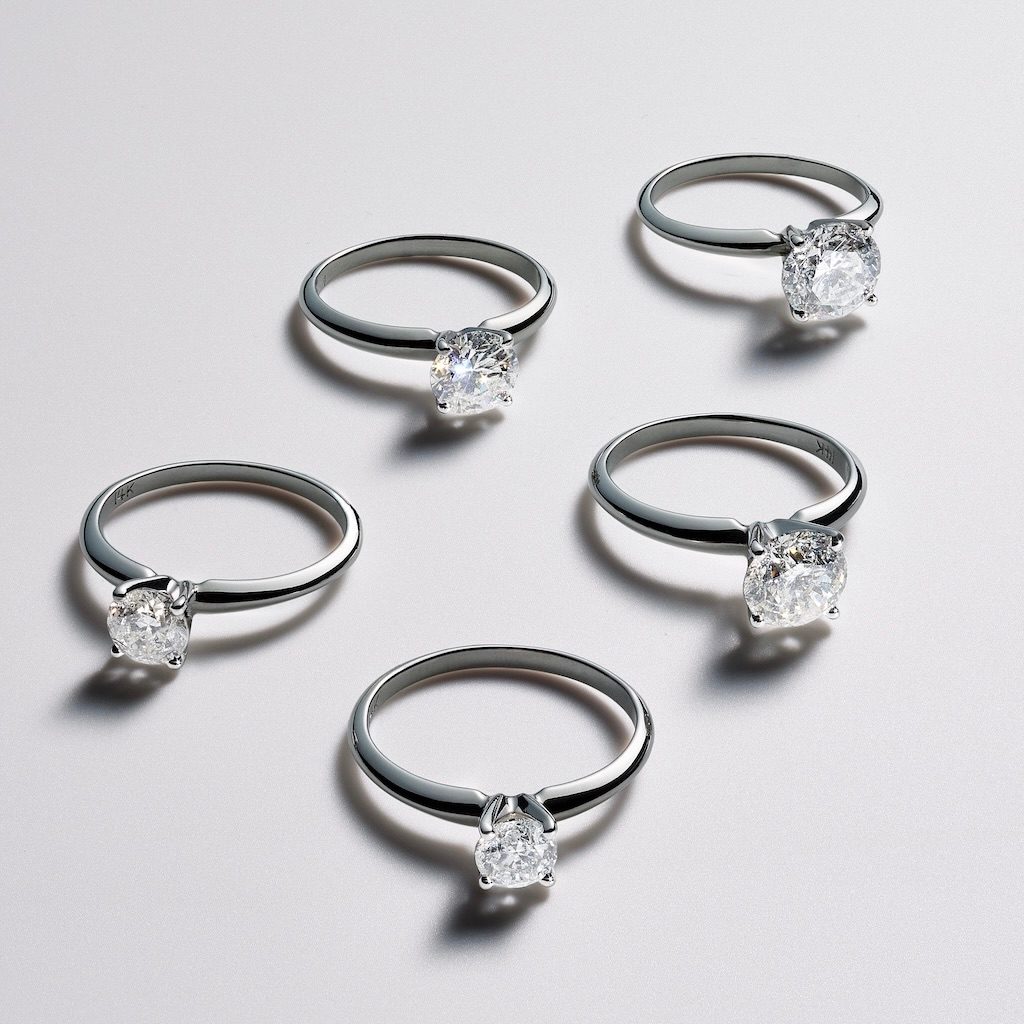
When someone shows off a new diamond ring, there’s one question that inevitably comes up—whether voiced aloud or in an intense stare: But how big is it? Carat weight can feel like the only measure of a diamond’s impact that matters, but that is a very shallow read of what makes a diamond major.
With a 1 carat diamond ring, it’s less about how much stone you have and more about what you do with it. The right cut can turn up the sparkle. An elongated shape can create more presence across the finger. And because you’re not putting your entire budget towards carat weight, you have more room to play with the details: a distinctive setting, an unexpected band, or a design with serious je ne sais quoi. The result? A ring that feels personal and distinctive because every detail is considered, not simply because it’s big.
First, Know What You’re Into
Before you start comparing diamonds, figure out what you care about the most. Is it a particular shape? Maximum sparkle? A certain metal? A distinctive setting? No matter the size, a 1 carat diamond is still the oldest thing you will ever touch, let alone own. Prioritizing the details that are more important to you will set up the philosophy of the piece.
Shape Changes Everything
With a 1 carat diamond, choosing the right shape is one of the easiest ways to make every point count and give the stone more presence on the finger. Round brilliant diamonds are the classic choice, but they come at a premium. Fancy shapes like oval, pear and cushion can create the look of a larger diamond without adding carat weight.
Shape is not just about size. It’s about vibe. An emerald cut is regal and refined. A cushion brings a softer, vintage-inspired mood. A marquise is dramatic and fashion-forward, while a pear feels graceful with a little edge. An oval gives you that elongated look with plenty of sparkle. In other words, shape is one of your biggest opportunities to make a 1 carat diamond sing.
Perfection Is Overrated
Not every diamond has to be icy white and perfectly pristine. Warm and included diamonds bring a more distinctive, individual feel to a ring, and they are having a moment. A little warmth can create a softer, more romantic look, while visible or nearly invisible inclusions can give a natural diamond characteristics that are uniquely its own.
You can also be strategic about color and clarity. A near-colorless diamond in the G-H range can look similar to a colorless D-F diamond once it’s set, while an eye-clean SI1 or VS2 can look just as radiant to the naked eye as a higher graded stone. Your eye may not see the difference but your wallet will. Inclusions are part of what makes each natural diamond unique, giving the stone characteristics of its own.
There’s also a practical upside: moving down the color or clarity scale can free up more of your budget for the things you’ll actually see and enjoy, whether that’s a distinctive setting, a more unusual shape or a beautifully cut stone.
Think of it this way: A 1 carat diamond doesn’t have to be super white and flawless. You can choose character over perfection.
Chase the Sparkle
If sparkle is the goal, cut is where your money can work the hardest. A beautifully cut 1 carat diamond can have more presence and brilliance than a heavier stone that doesn’t reflect light as effectively.
When comparing diamonds for their sparkle, look at how they actually handle light. Does the stone flash as you move it? Does it look bright and lively from different angles? Does the shimmer feel balanced across the stone?
The move? You don’t need the highest grade in every category. Prioritize cut, and put your budget where you can see it sparkle.
Setting Sets the Tone
Once you’ve chosen your shape and cut, it’s time to think about the rest of the ring. The setting and metal can completely change the way a 1 carat diamond looks—and complement the personality of the stone.
A classic solitaire keeps the focus on the center stone, while a halo adds sparkle and visual impact. A vintage-inspired setting gives old-school romance through its intricate details, while a pavé band turns up the overall sparkle. If you’re constantly using your hands or generally don’t want to baby your jewelry, look for secure prongs or a more protective setting such as a bezel, which surrounds the edges of the diamond. A lower-profile setting can also be a practical choice if you want a ring that is less likely to catch or snag.
Then there’s the metal. Yellow gold can make a diamond feel warmer and more vintage; white gold and platinum create a crisp, modern look. Rose gold brings a softer, unexpected twist. You can also mix it up: mixed metals, a distinctive band, engraving or stacking can take the ring somewhere entirely your own.
The point? Don’t think of the setting as something you put the diamond in. Think of it as part of the diamond ring’s overall design.
Trust the Paperwork. Then Trust Your Eyes.
Found a diamond you love? Before you commit, make sure you know exactly what you’re buying. Start with the grading report: an independent gemological laboratory, such as GIA, documents the stone’s characteristics, including carat weight, color, clarity and cut grade—the 4Cs—so you know exactly what you’re considering.
Then, trust your eyes. Compare diamonds side by side when you can, and look at how they actually perform, not just how their grades stack up on paper. Two diamonds with similar specs can look surprisingly different in person. The numbers tell you what’s on paper; your eyes tell you what’s happening on your hand.
Don’t skip the fine print: Before you buy, check the retailer’s return and exchange policy, warranty or care coverage and any other terms that could affect your purchase. A 1 carat diamond is also a popular and widely sought-after size, which can make it a smart choice if long-term value is part of your thinking. Just remember that a diamond’s future resale value depends on many factors, including its quality, characteristics and the market when you sell.
Do your homework, then go with the diamond that makes you want to keep staring at your hand.
How to Make It Count
A 1 carat diamond is plenty to work with. The shape creates presence. The cut dials up the sparkle. The setting sets the mood. How you choose those details is what makes the ring yours. So forget the idea that bigger is better: the real flex is knowing what you want and knowing how to make every carat count.

How Rio Tinto’s Diavik Diamond Mine Champions Renewable Energy
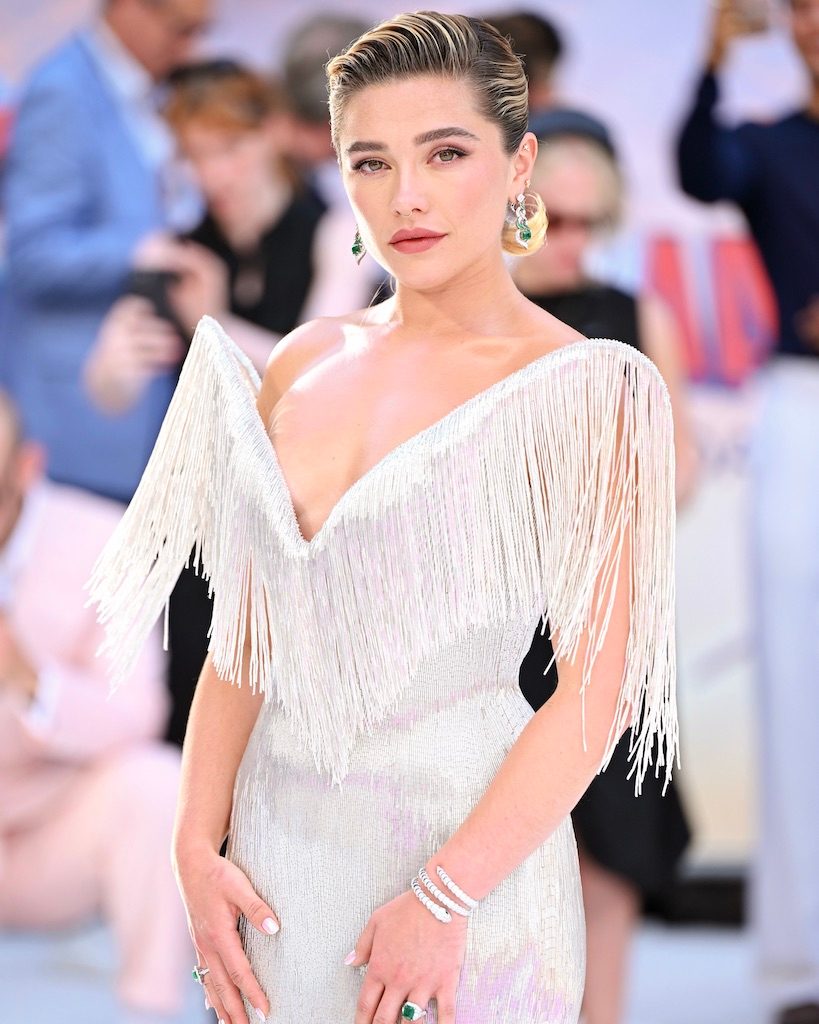
Florence Pugh Doesn’t Do Ordinary
After a rousing turn as Cathy Ames in the new limited series adaptation of the literary classic East of Eden, Florence Pugh knows how to put on a show and will never turn down the drama of diamonds.
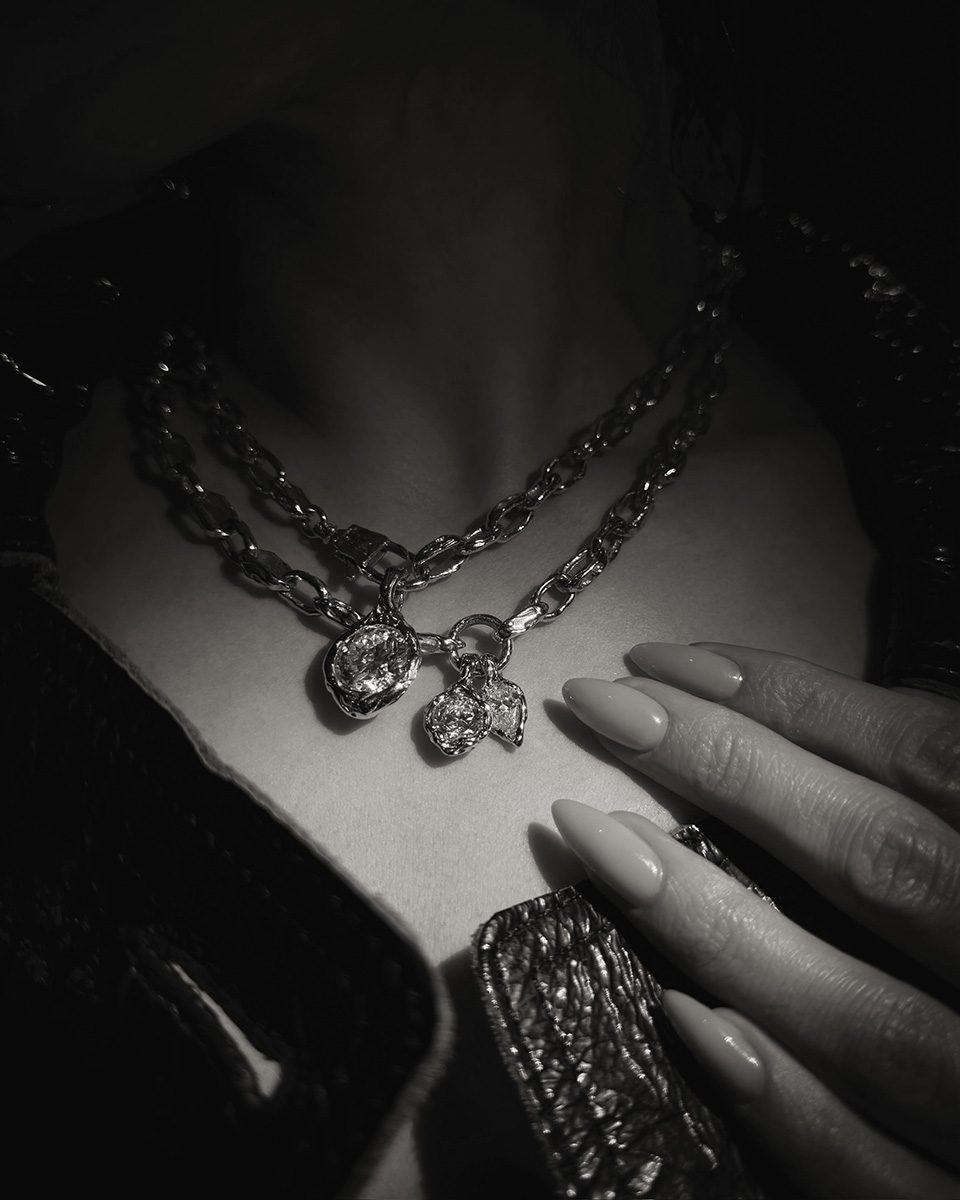
WitchTok Wants You to Wear Your Magic
Aunt Jet Owens in Practical Magic once said, “There’s a little witch in all of us.” WitchTok is reclaiming the power of intention, and the jewelry we wear is becoming part of the ritual.
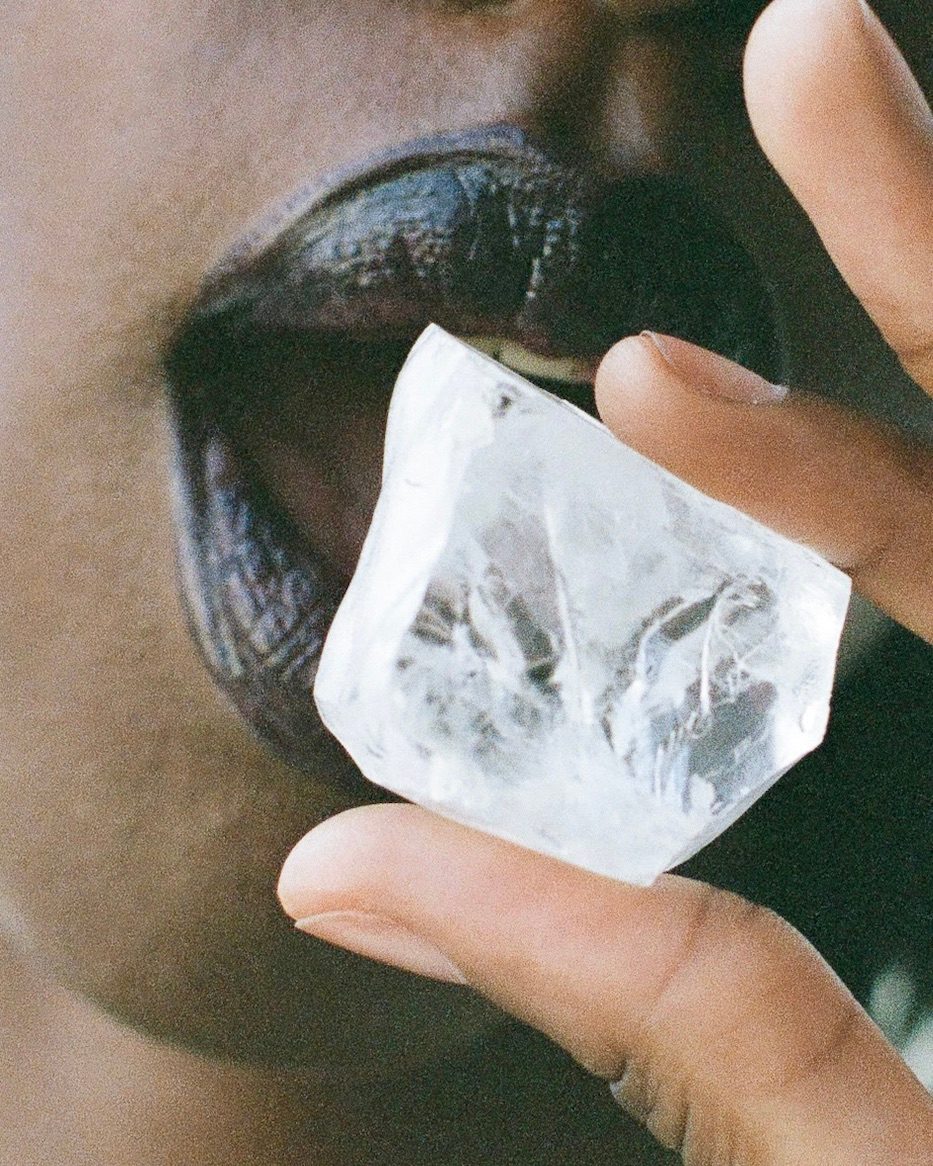
The 347-Carat Giant Hiding in the Mountains of Lesotho
High in Lesotho’s rugged mountains, a 346.99-carat diamond emerged from the earth, joining a remarkable lineage of giant stones. But the story of the Lesotho Jubilee is just beginning.