


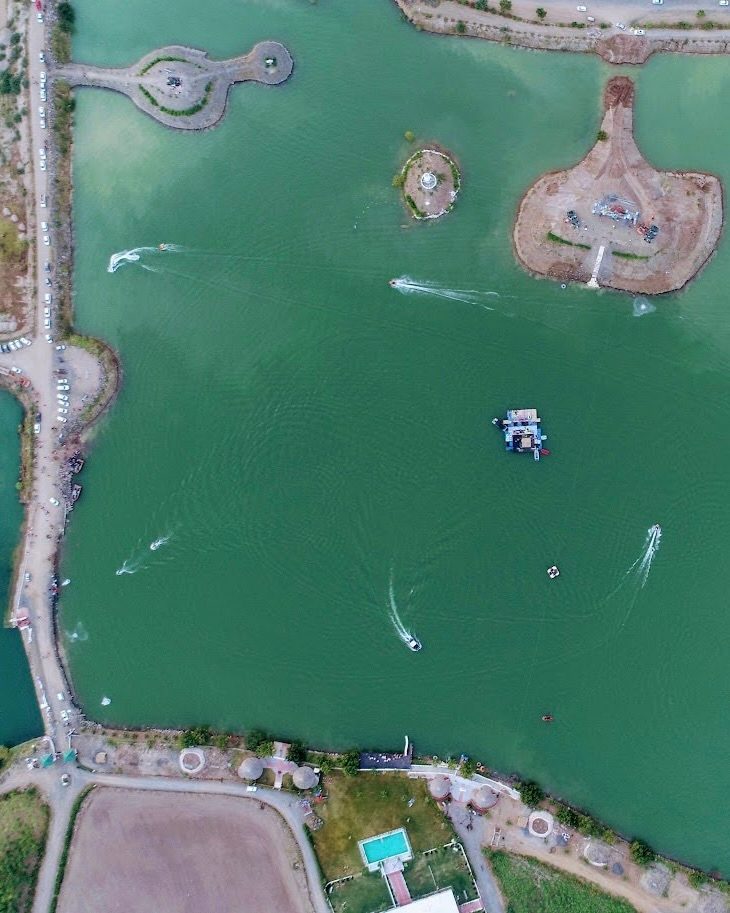
Watersports during Diwali on a completed lake in Bharatmata Sarovar. (Courtesy of HK)
How Diamonds Are Bringing Water Back to Rural India
Rivers are flowing, farmland is returning and communities are changing. Behind it all: an unexpected side of India’s diamond industry.
India’s diamond industry is a powerful force, particularly in Surat, the global diamond cutting and polishing hub. Nearly one million people make their living directly from the sector here, and India cuts and polishes nearly 90% of the world’s natural diamonds. But the industry’s reach doesn’t stop at the cutting wheel.
Across rural India, diamond companies are putting their success behind something even more fundamental: water. By restoring rivers and lakes, building dams and supporting communities facing severe water scarcity, the industry is creating a ripple effect that reaches farms, families and entire ecosystems.
When Water Returns, Everything Changes
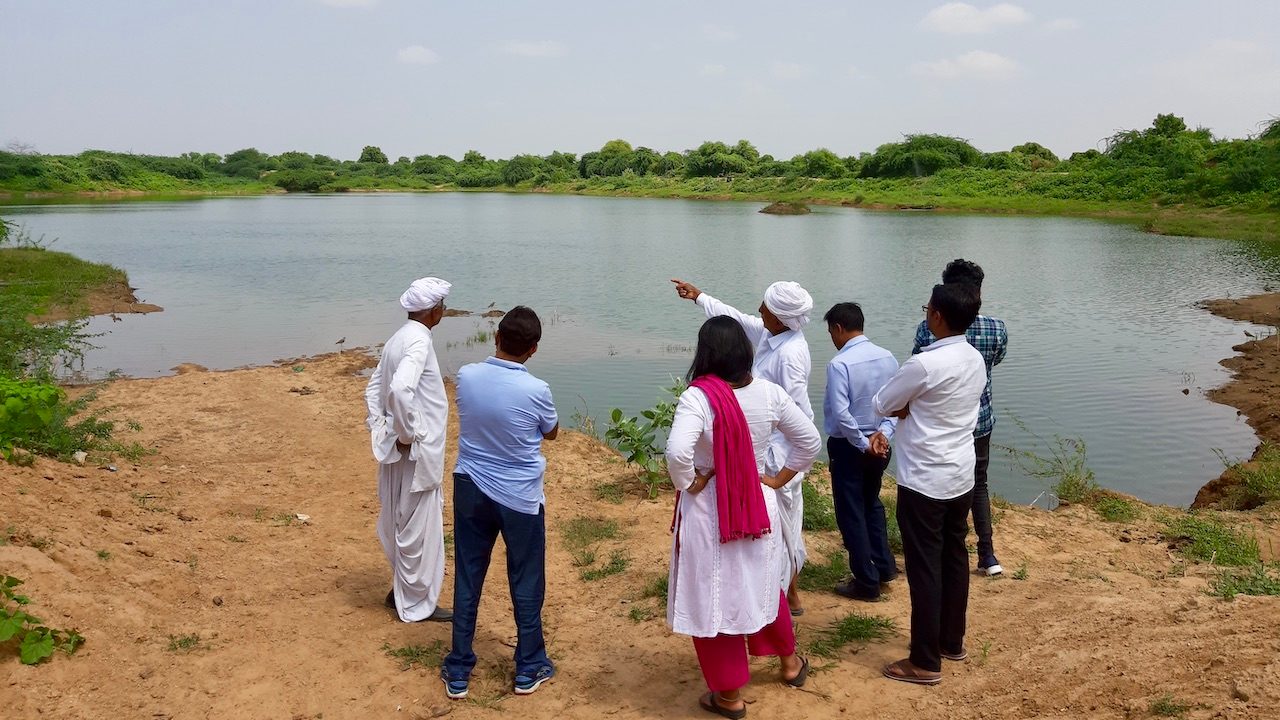
One of the largest water restoration efforts backed by India’s diamond industry comes from Hari Krishna Exports (HK), which launched Mission River to restore rivers and lakes in areas hit hardest by water scarcity. The scale is striking: 155 rivers and lakes restored, with the capacity to store at least 20 billion liters of water.
More than 250,000 farmers have benefited from more reliable irrigation. In some affected areas, farming yields have increased by up to 100%. But the ripple effect goes beyond crops. More available water can mean better food security, a lower risk of waterborne disease, and the return of wildlife to landscapes once defined by scarcity.
Jayshree Ben Butiliya has seen that change up close. An Anganwadi worker, she spent years watching the effects of malnutrition on children as barren fields and scarce water made it difficult for families to grow enough food. After Mission River brought water back to the land, crops began growing again. Families could produce their own food. And Jayshree watched children who had once been malnourished become healthier and stronger.
A water project had changed much more than the water supply.
Diamond Cutting and Dam Building
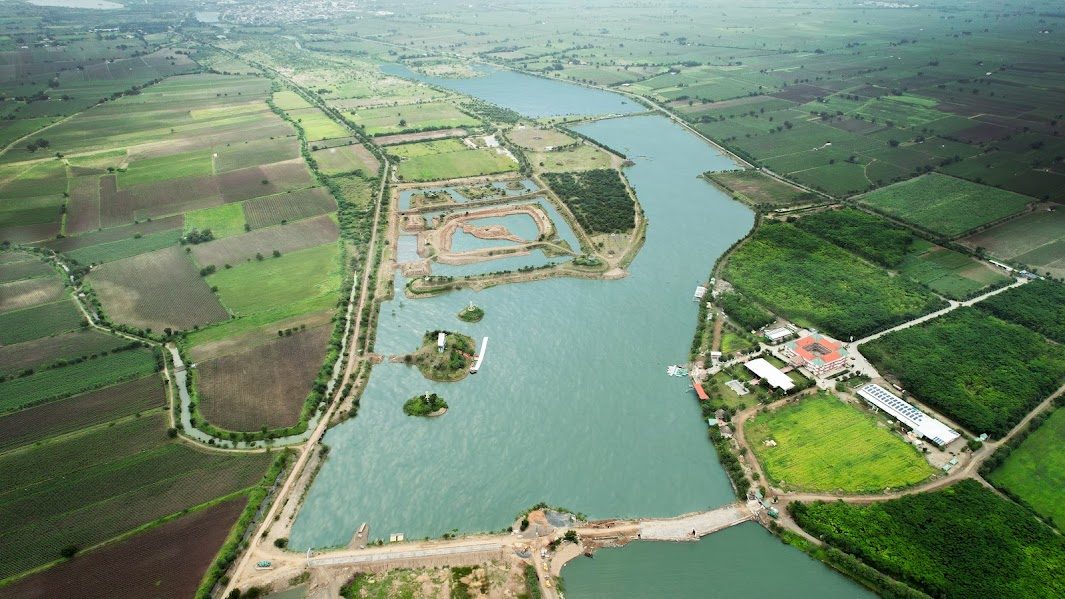
Shree Ramkrishna Exports (SRK) has taken a different approach to the same challenge. The natural diamond company has helped construct dams and canals across more than 100 villages, managing water flow in regions that can swing between drought and flooding.
For farmers, that infrastructure means something deceptively simple: being able to count on water even when the rain doesn’t come. For surrounding communities, it means more consistent access to clean water throughout the year. SRK says its humanitarian projects have now reached more than 3.5 million people across India.
30 Lakes. 29 Villages. 300 Million Liters.
Diamond companies Diarough and Jewelex are also working in some of India’s most water-stressed areas through their support of the nonprofit Vicharta Samuday Samarthan Manch (VSSM).
In the villages where VSSM works, the extremes can be dramatic: drought in late winter and summer, followed by flooding during monsoon season. Natural wells have run dry, while groundwater levels have fallen as deep as 1,000 feet. As water disappeared, soil became increasingly saline, making agriculture even more difficult.
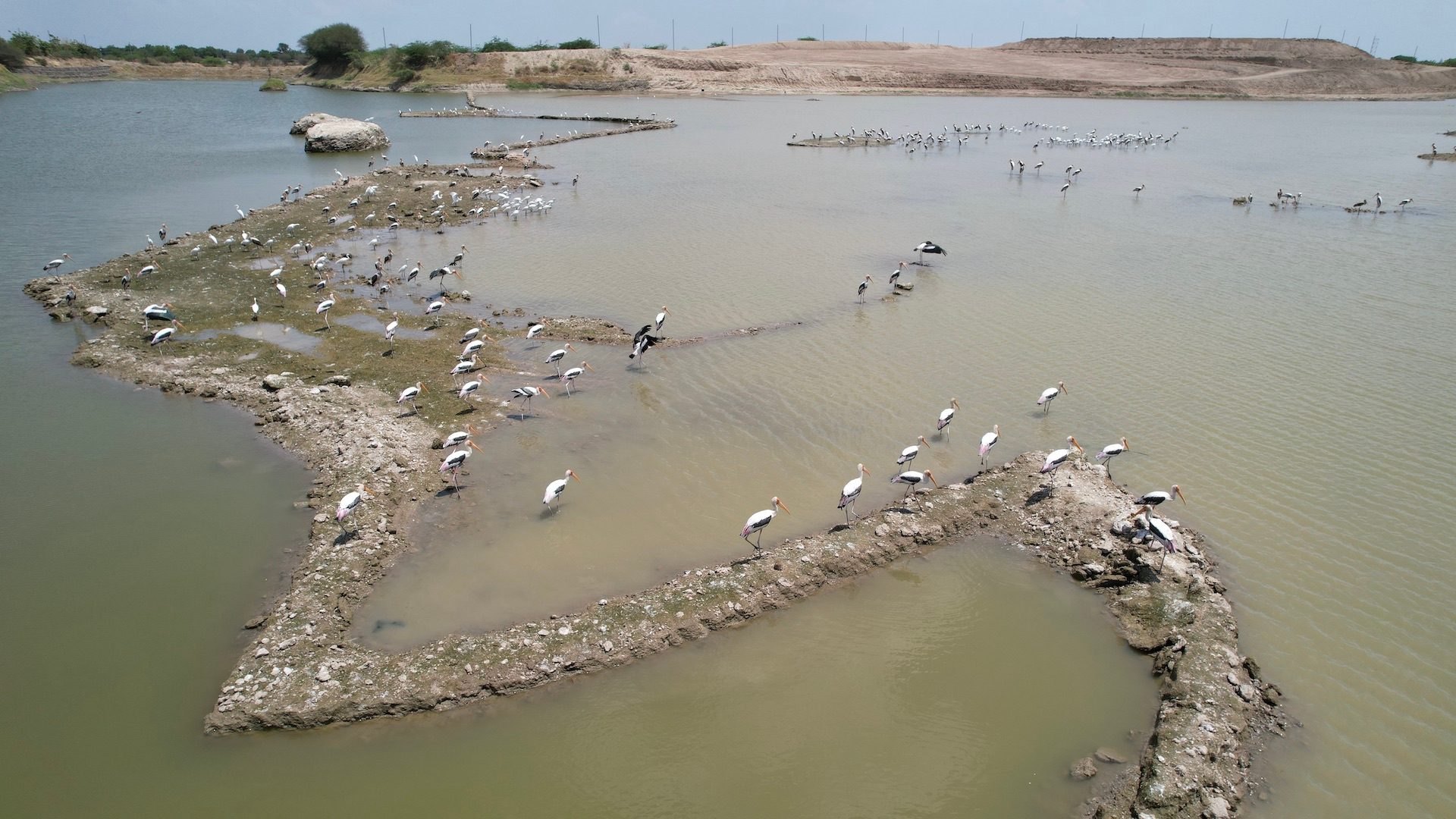
Over the past two years, lake restoration supported by Diarough and Jewelex has desilted and deepened 30 lakes across 29 villages, affecting nearly 100,000 residents. Together, the restored lakes have added more than 300 million liters of water-retention capacity, supporting both households and agriculture while helping local plant and animal life return.
What One Lake Can Change
In Paadan village in Banaskantha’s Sui block, drilling deeper isn’t the answer. The groundwater is so saline that borewells aren’t a viable option. Instead, the village depends on a small lake that traditionally runs dry outside monsoon season.
With support from Diarough, the lake was deepened and expanded. Then the rains came. The enlarged lake filled to the brim, creating a water reserve designed to last the community throughout the year.
To further support their water management initiatives, Jewelex implements rainwater harvesting at their facilities for gardening purposes. Additionally, they have installed ultra-efficient water fixtures, which contribute to saving approximately 450,000 liters of water annually in their operations.

““While diamonds are often synonymous with luxury and exclusivity, their actual value extends far beyond the jewelry industry.” “

And They’re Just Getting Started
And the work is expanding. VSSM has set a target of desilting another 375 lakes by 2030, potentially bringing more reliable water access to hundreds of thousands of people across some of Gujarat’s most drought-prone regions.
Keeping that water flowing is a long-term project. Regular monitoring and infrastructure maintenance, alongside collaboration with government agencies and local communities, are designed to keep the restored water systems working well beyond their initial construction. The projects can also create local jobs in construction and maintenance, extending their economic impact further.
The Impact Doesn’t Stop at the Water’s Edge
India’s relationship with natural diamonds is usually measured in carats, craftsmanship and commerce. But there is another way to measure it: rivers restored, lakes filled, crops grown and communities with water they can depend on.
The revenue generated by diamonds has enabled companies including Shree Ramkrishna Exports, Hari Krishna Exports, Jewelex and Diarough to invest beyond their own operations, supporting projects whose effects can travel through entire communities.
And as water scarcity and a changing climate put greater pressure on vulnerable regions, that ripple effect matters even more. A restored lake can irrigate a field. That field can feed a family. Reliable crops can support livelihoods. And water returning to a landscape can bring an ecosystem back with it.
Sometimes the impact of a diamond begins long before it reaches a jewelry box. And sometimes, it keeps traveling long after.
Newsletter