Botswana came to New York to celebrate 60 years of independence. The conversation quickly turned to diamonds, conservation, and the women shaping what comes next.
LESOTHO JUBILEE DIAMOND
The 347-Carat Giant
Hiding in the Mountains of Lesotho
High in Lesotho’s rugged mountains, a 346.99-carat diamond emerged from the earth, joining a remarkable lineage of giant stones. But the story of the Lesotho Jubilee diamond is just beginning.
The road to Letšeng mine winds high into Lesotho’s formidable Maloti Mountains, twisting through steep, rocky passes and sharp hairpin turns. Landlocked by South Africa, over 80 percent of this mountain enclave sits above 1,800 meters, a landscape of precipitous valleys, vertical cliffs and thin-aired highlands. Here, amid sub-zero winters and fierce mountain winds, its rugged geography makes it a particularly treacherous place for mining diamonds. Yet the mine has an uncanny habit of producing some of the largest diamonds ever found.
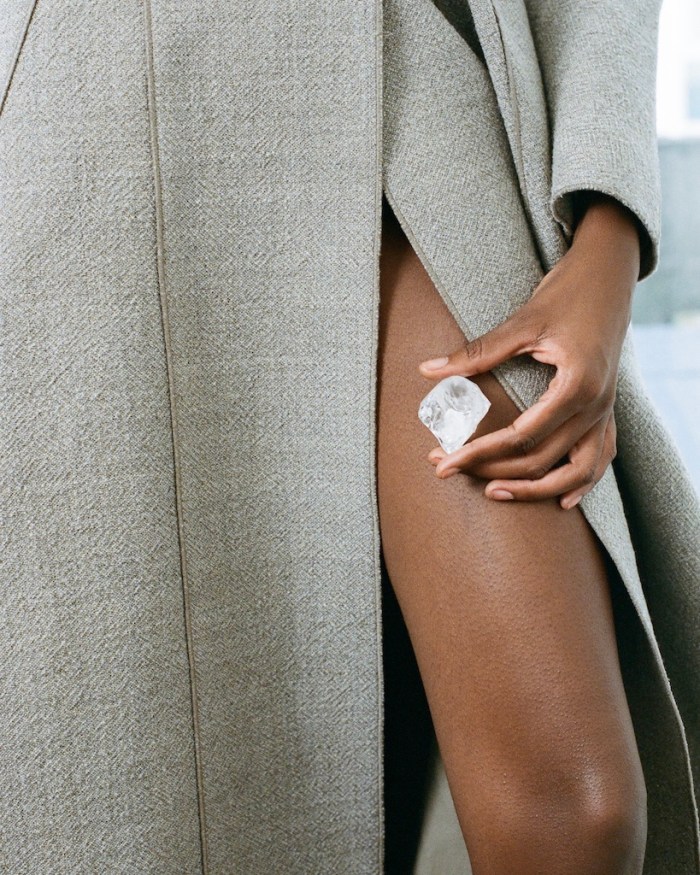
On June 21, 2026, Letšeng added another to its roster, joining more than 60 diamonds recovered since 2006. Weighing 346.99 carats, the Lesotho Jubilee is an exceptional white rough diamond. At just under 70 grams, less than an average apple, it is surprisingly ‘modest’ in physical size compared with the mine’s earlier giants, but no less striking.
Born at Altitude
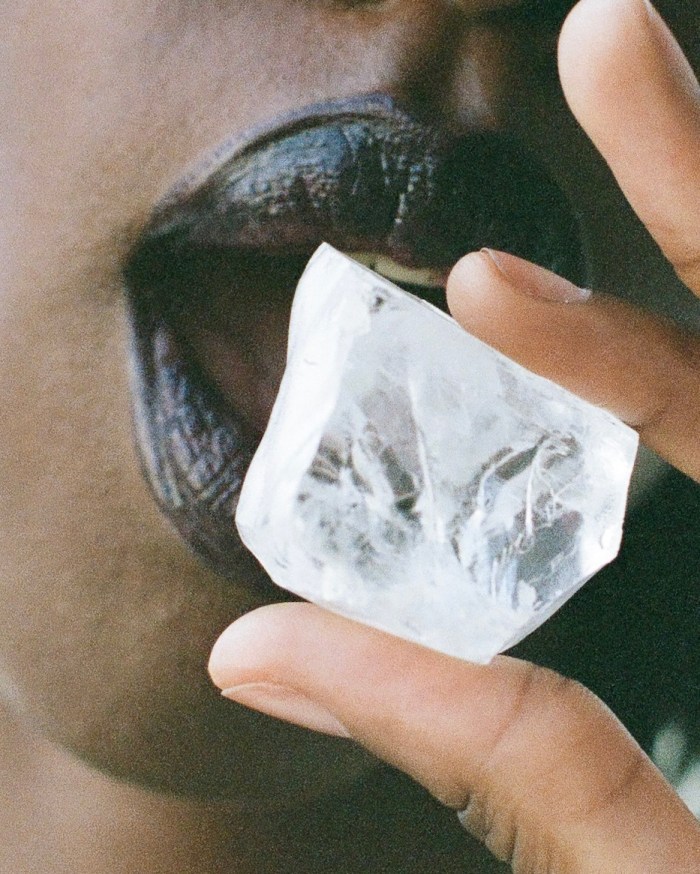
Uncut and unpolished, the diamond retains the irregular form in which it came out of the ground. Rather than the classic symmetrical octahedron associated with rough diamonds, the Lesotho Jubilee resembles a hefty, uneven mass of translucent white crystal. Its glassy surfaces catch the light, revealing an intricate play of reflections within.
Its unusual appearance and asymmetry are typical of Letšeng stones. On the journey towards the Earth’s surface, diamonds can be partially dissolved and reshaped by the hot magma that carries them upwards, leaving behind irregular and jagged outlines, etched surfaces, and growth marks that allude to their deep mantle journey.


The Legacy of the Mine
The Lesotho Jubilee joins an illustrious lineage. The mine’s record-holder is the 910-carat Lesotho Legend, discovered in 2018, while the 603-carat Lesotho Promise, unearthed in 2006, helped establish its modern reputation for the finest stones. Purchased for $12.4 million by Laurence Graff’s diamond business, the Promise was eventually transformed into 26 D-color Flawless diamonds, weighing a combined 223.35 carats. Other celebrated discoveries include the 550-carat Letšeng Star, the 493-carat Letšeng Legacy, and the 478-carat Light of Letšeng.
Yet the Lesotho Jubilee’s significance lies less in its size than in its symbolism. Recovered just months before Lesotho celebrated the 60th anniversary of its independence on October 4, 2026, it was named in honor of the country’s Diamond Jubilee. The timing could hardly have been more fortuitous. Six decades after the mountain nation gained independence from Britain in 1966, another unprecedented gem emerged from its peaks.

Purity Factor
What makes Letšeng particularly remarkable is not simply the sheer size of its diamonds, but how rarely they occur.
The mine is a geological paradox. Its low-grade kimberlite, the volcanic rock that carries diamonds towards the Earth’s surface, yields relatively few stones. According to historical figures cited by GIA, its main kimberlite deposit yielded an average of just 0.88 carats of diamonds for every 100 tons of rock processed, equivalent to less than half a gram. Yet those that do emerge are often behemoths– massive, high-clarity diamonds, many of them Type IIa.
In fact, this single mine stands out as one of the world’s most consistent sources of Type II diamonds. Containing no measurable nitrogen or boron, they are as chemically pure as nature allows. They make up only 1 to 2 percent of all natural diamonds on Earth, yet they dominate the ranks of the world’s largest and most legendary gems, famed for their exceptional, almost “watery” brilliance that sets them apart.
Why Letšeng produces so many colossal diamonds remains a geological mystery. One leading theory points to the mine’s position at the eastern edge of the ancient Kaapvaal Craton, where distinctive, low-nitrogen diamond-forming fluids may have reached deep into the mantle, allowing diamonds to grow slowly over prolonged periods of time. That slow growth could explain their scale and purity, though the theory remains unconfirmed. Whatever the answer, Letšeng’s high-altitude peaks keep delivering, and the diamond world is waiting for its next find.


The Cut to Come
The 346.99-carat rough has since been sold for an undisclosed sum, with neither its buyer nor its future cutting plans publicly revealed.
Before a laser touches the 347-carat rough, specialists will map its interior, tracing inclusions, fractures and stresses and modelling the diamonds that might be hidden within. For a stone of this magnitude, the planning stages can take months or longer. Its 603-carat predecessor, the Lesotho Promise, presented a glimpse of the possibilities, which ultimately yielded 26 D-color flawless polished diamonds, including a 76.41-carat pear-shaped gem.
Only time will tell whether the Lesotho Jubilee yields a single commanding centerpiece or a suite of smaller stones. Scans show the diamond’s immense potential, but its ultimate makeover and final carat weight remain to be seen.
Photographer: Julia Avgusta
DP: Ildar Khusnetdinov
Creative Director: Lizzy Oppenheimer
Stylist: Veronika Dronova
Model: Malaika-Lilia Uwizeyimana via NOAH MGMT
Hair: Sanne Schoofs
Makeup: Maria Ovejero
Manicure: Anastasia Feoktistoff
Producer: Margo Praet
60 Years In, Botswana’s Future Is Written in Diamonds
The Sublime Mystery of the Okavango Blue
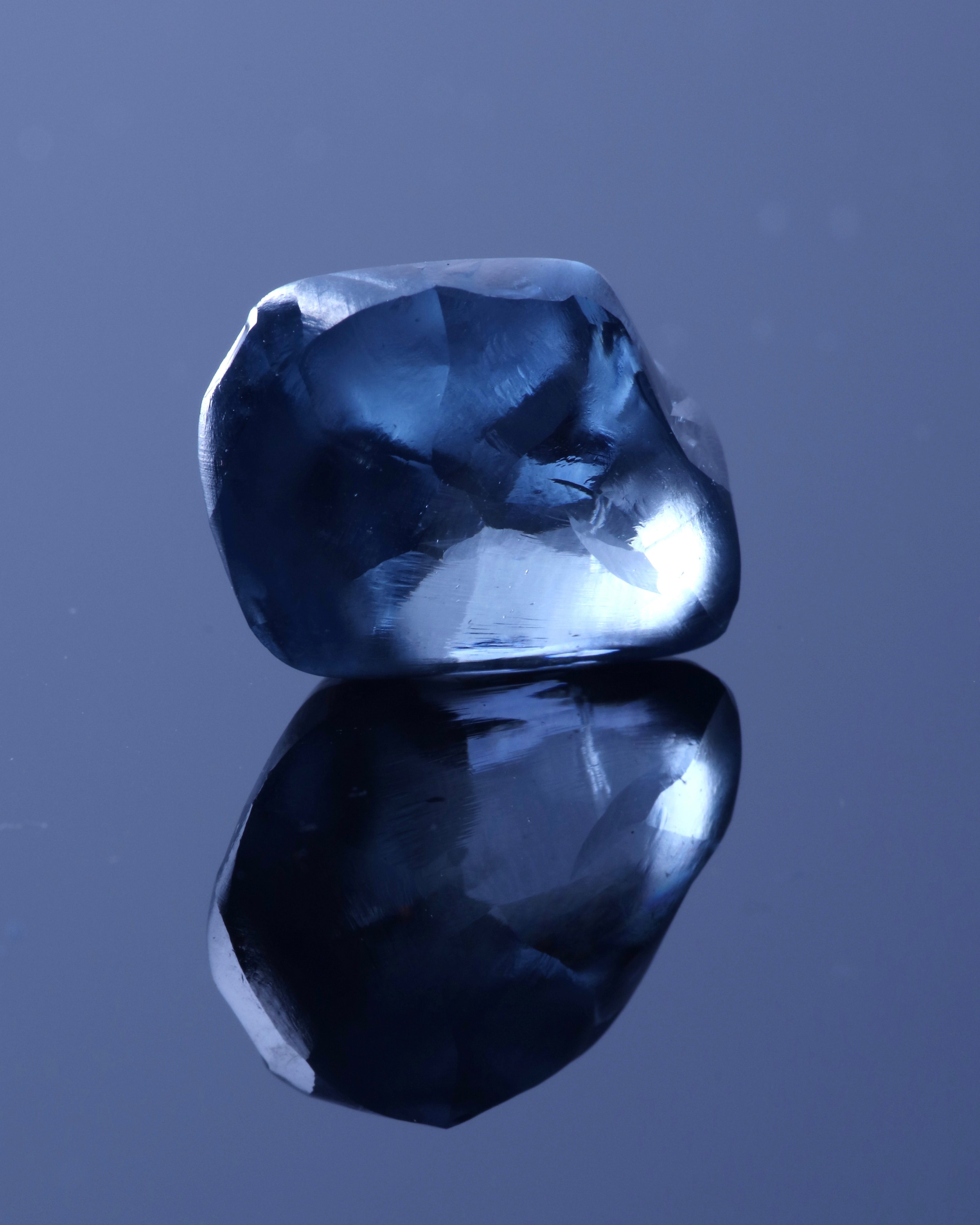
Its color is almost impossibly rare, its origins are still being studied, and its latest appearance involves a Paris runway. Meet Botswana's most famous blue diamond.

What Do Diamonds Have to Do With Bees? Everything.
Petra Diamonds is prioritizing ecosystems, livelihoods, and the Honey Bee through diamond mining.
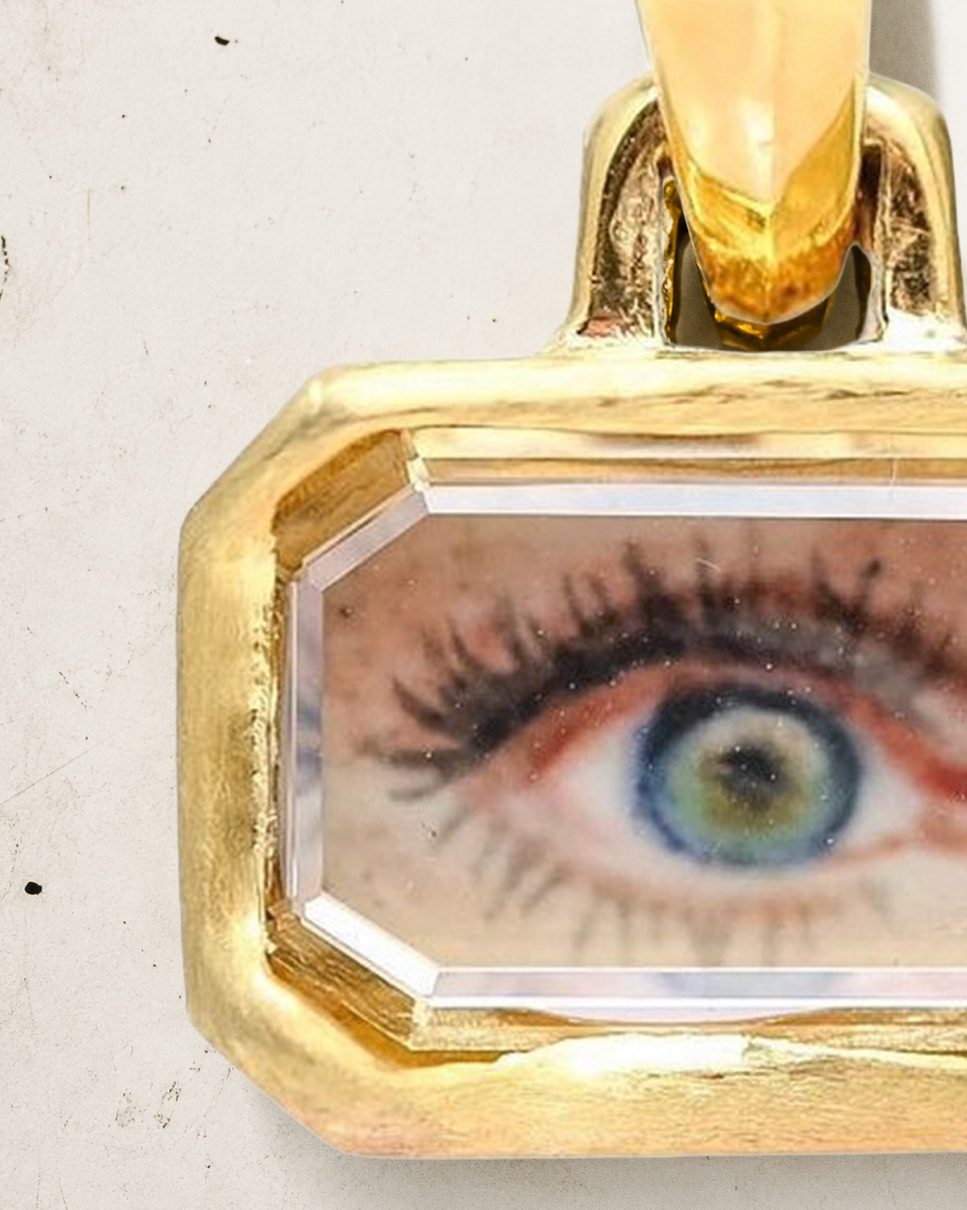
The Antique Diamond Cut Hiding in Plain Sight
Thin as glass and almost as transparent, portrait cut diamonds have kept a low profile for centuries. Now, a new generation of designers are looking closer.
Get the Newsletter
Sign up for the latest diamond news, delivered directly to your inbox.