High in Lesotho’s rugged mountains, a 346.99-carat diamond emerged from the earth, joining a remarkable lineage of giant stones. But the story of the Lesotho Jubilee is just beginning.
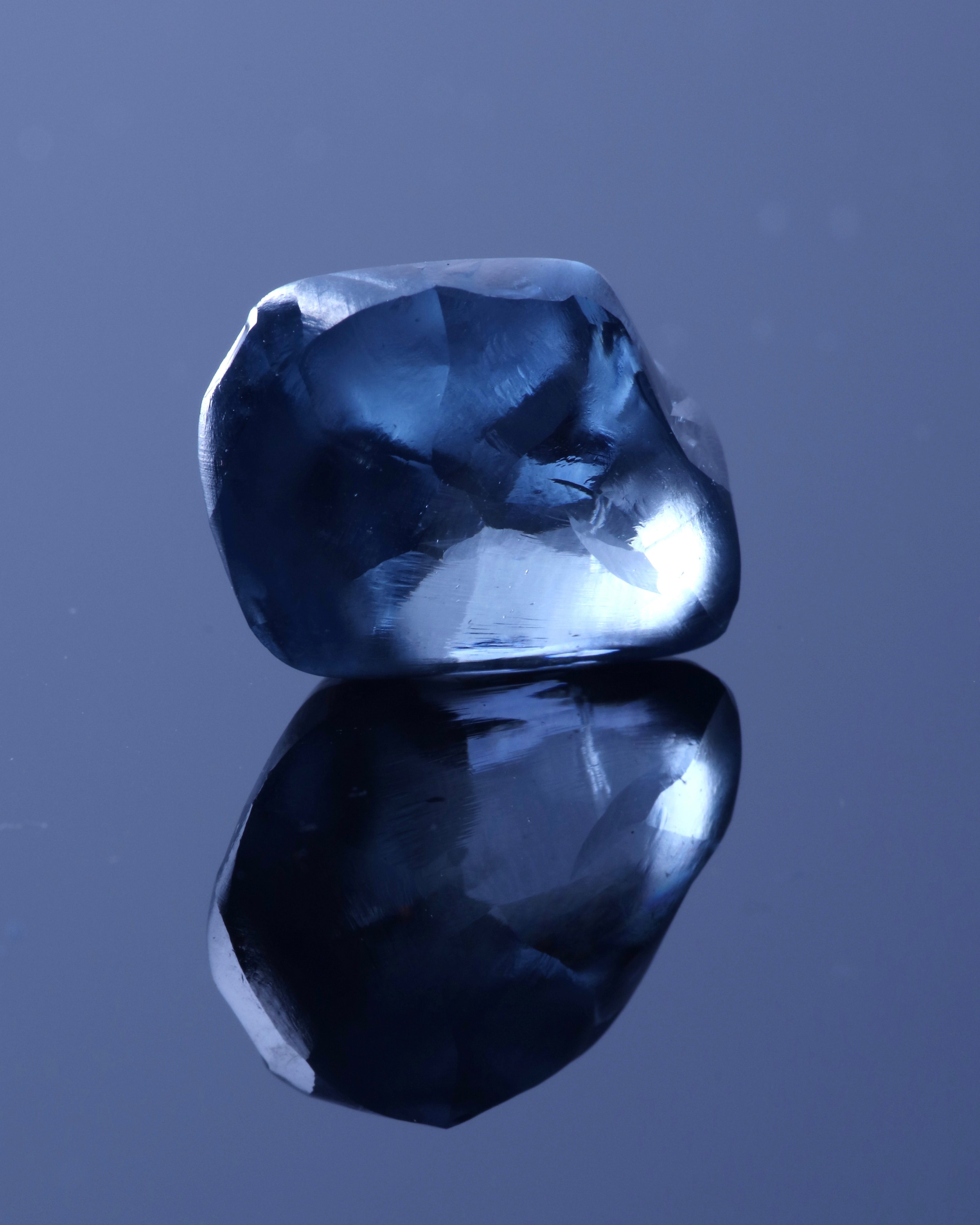
The Okavango Blue, a 20.46 carat fancy deep blue diamond discovered in the Orapa Mine in 2018. (Courtesy of ODC)
The Sublime Mystery of the Okavango Blue
Its color is almost impossibly rare, its origins are still being studied, and its latest appearance involves a Paris runway. Meet Botswana’s most famous blue diamond.
Few natural diamonds have a backstory quite like the Okavango Blue. Discovered in Botswana, this 20.46-carat deep blue diamond is an absolute rarity, with a color that almost never occurs in nature and an origin story scientists are still trying to piece together. But the intrigue goes well beyond geology. The Okavango Blue is also part of Botswana’s story, reflecting the country’s extraordinary natural resources and the way it has used diamonds to help shape its future.
Botswana’s 20-Carat Blue Wonder
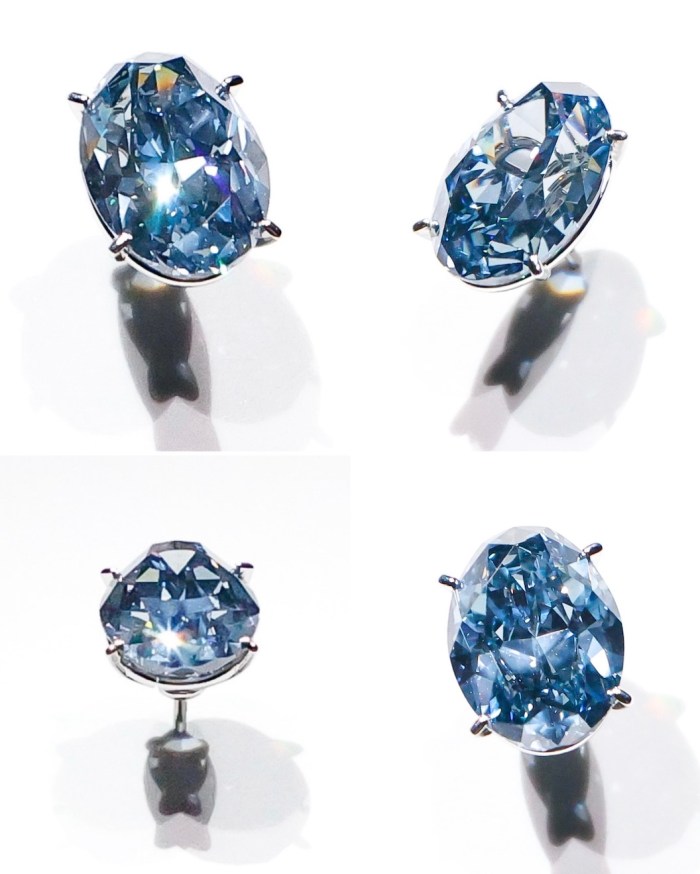
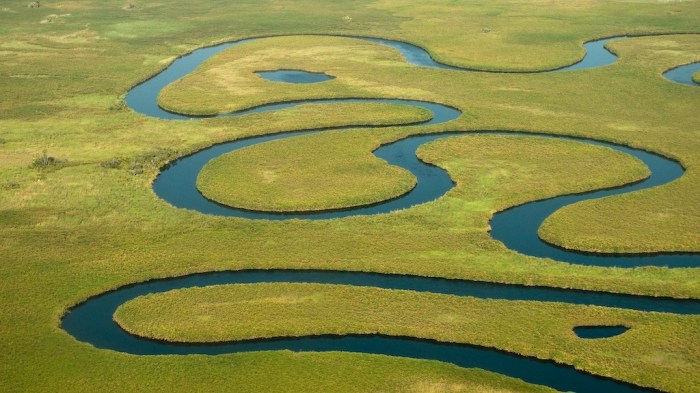
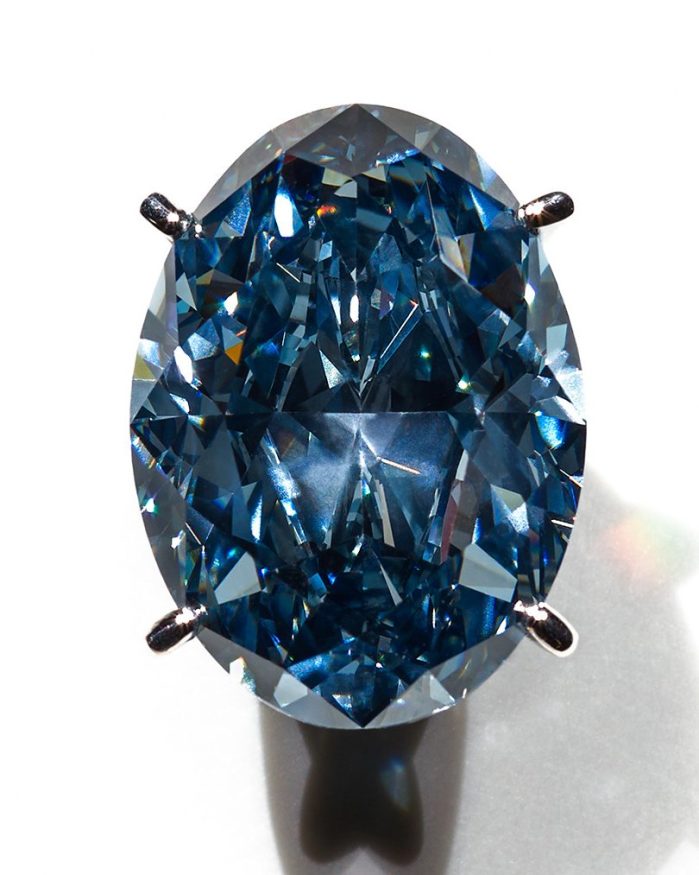
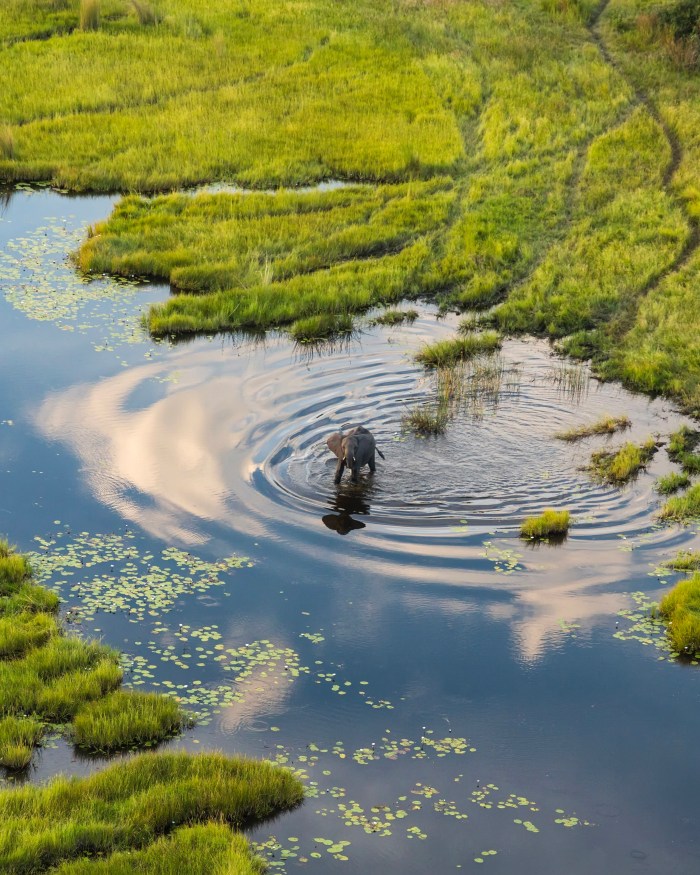
The Okavango Blue is a 20.46-carat fancy deep blue oval brilliant-cut diamond, named after Botswana’s Okavango Delta, a UNESCO World Heritage site and one of the most biodiverse regions on Earth. Its journey began at the Orapa Mine, one of the world’s largest open-pit diamond mines.
The diamond’s discovery was one thing. What happened next was just as significant. The Okavango Diamond Company, a state-owned enterprise, brought the stone to market, keeping Botswana directly involved in the value created by its diamonds. Through ODC, proceeds from diamond sales help fund education, healthcare, and infrastructure, putting the country’s natural wealth to work for its people.
And then there’s the diamond itself. Its rich, remarkably even blue color and expertly executed cut make it a standout even among the world’s rarest natural diamonds.

Rare Doesn’t Even Begin to Cover It
Natural blue diamonds are incredibly rare, representing just a fraction of a percent of all diamonds mined each year. Their beautiful color comes from boron in the diamond’s crystal structure, a trace element that enters the stone as it forms deep within the Earth.
Colored diamonds account for less than 0.1% of diamonds submitted to GIA for grading. Blue diamonds are an even smaller group within that already tiny percentage, making them one of the rarest natural color varieties, alongside red and violet.
The Okavango Blue takes that rarity to another level. At more than 20 carats, it’s the largest blue diamond ever discovered in Botswana and ranks among the world’s most important fancy color diamonds. Factor in its clarity, intense color, and precision cutting, and the odds of finding another quite like it become even more extraordinary.

“Colored diamonds account for less than 0.1% of diamonds submitted to GIA for grading. “

The Secret May Lie in an Ancient Ocean
Here’s where things get really interesting. Scientists know that boron is responsible for a blue diamond’s color. What they’re still figuring out is how it got there in the first place.
Some researchers believe blue diamonds form in the Earth’s lower mantle, possibly more than 400 miles beneath the surface, far deeper than most diamonds. One theory takes the story somewhere unexpected: the ocean floor. Ancient oceanic crust may have been pushed deep into the Earth’s interior by shifting tectonic plates, carrying boron along with it. That means diamonds like the Okavango Blue could contain traces of oceans that disappeared billions of years ago.
An ancient ocean, locked inside a blue diamond. It’s a pretty extraordinary possibility, even by geological standards.
A Blue Diamond’s New York Moment
In 2021, the Okavango Blue made its New York debut, and the setting was fittingly major: the American Museum of Natural History. Displayed in the Melissa and Keith Meister Gallery, part of the Allison and Roberto Mignone Halls of Gems and Minerals, the diamond was on view for the public for the first time, bringing a piece of Botswana’s natural history to Manhattan.
“This is a once-in-a-lifetime opportunity for Museum visitors to see this truly spectacular blue diamond while learning about diamonds more broadly,” said then-President Ellen V. Futter.
The exhibition also gave visitors a look at the story behind the stone. Botswana has used revenues from its diamond resources to help build schools, improve healthcare, and develop infrastructure. The Okavango Blue offered a striking way to tell that story to an international audience.
Messika Takes the Okavango Blue to New Heights
Following its New York appearance, the Okavango Blue returned to Botswana, where it remained under the stewardship of the Okavango Diamond Company. The diamond was already a national treasure. Its next appearance would take it somewhere entirely different: Paris Couture Week.
In 2026, Messika gave the Okavango Blue a serious fashion moment. The French jewelry house unveiled Le Okavango Blue, placing Botswana’s largest and rarest blue diamond at the center of a rivière necklace featuring more than 500 white diamonds. At 20.46 carats, the blue centerpiece was already impossible to ignore. The surrounding diamonds made sure of it. With fancy colored diamonds commanding extraordinary prices at auction, a stone of this size, color, and provenance occupies rare territory in the jewelry world.
Valérie Messika presented the necklace alongside Terres de Contrastes, a collection that looked to Botswana itself for inspiration. Its deserts, dramatic landscapes, and lush Okavango Delta informed high jewelry designs full of color, texture, and movement. Rather than simply referencing the country’s natural beauty, Messika brought its contrasts into the designs themselves.
Messika Le Okavango Blue High Jewelry Necklace as seen during Paris Couture Week. (Courtesy of Messika)
This Blue Runs Deep
For all the attention paid to its color, carat weight, and high jewelry appearances, the Okavango Blue has another story to tell. In Botswana, diamonds have played a significant role in national development, helping fund everything from education and healthcare to the infrastructure that connects communities. The Okavango Blue is a particularly striking expression of that relationship between natural resources and national opportunity, as well as the country’s commitment to responsible diamond production.
As Mmetla Masire, Managing Director of the Okavango Diamond Company, says:
“Our diamonds tell the rich history and unique journey of Botswana’s development. The Okavango Blue diamond is not just an ordinary three-billion-year-old polished carbon element but rather a physical embodiment of the passing of time, a fragment of eternity.”
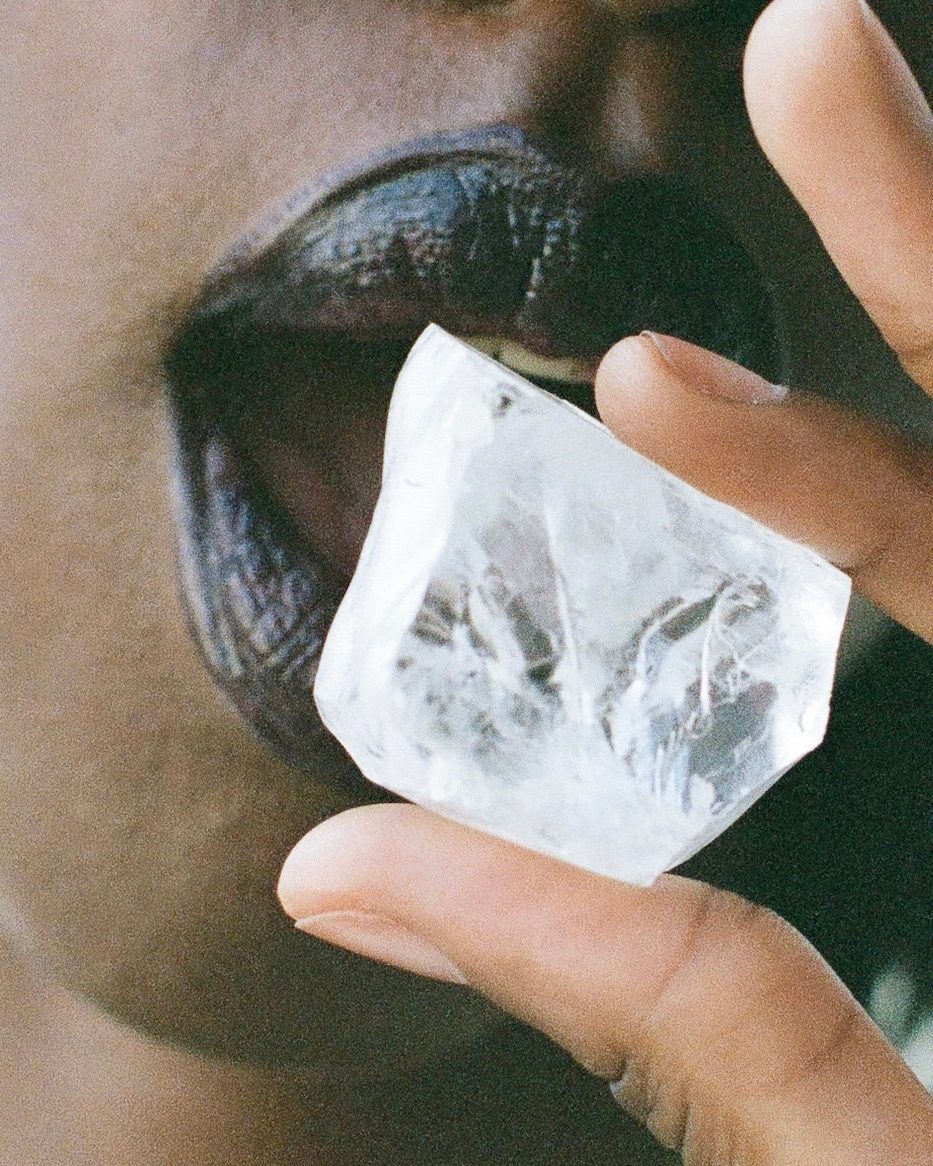
The 347-Carat Giant Hiding in the Mountains of Lesotho
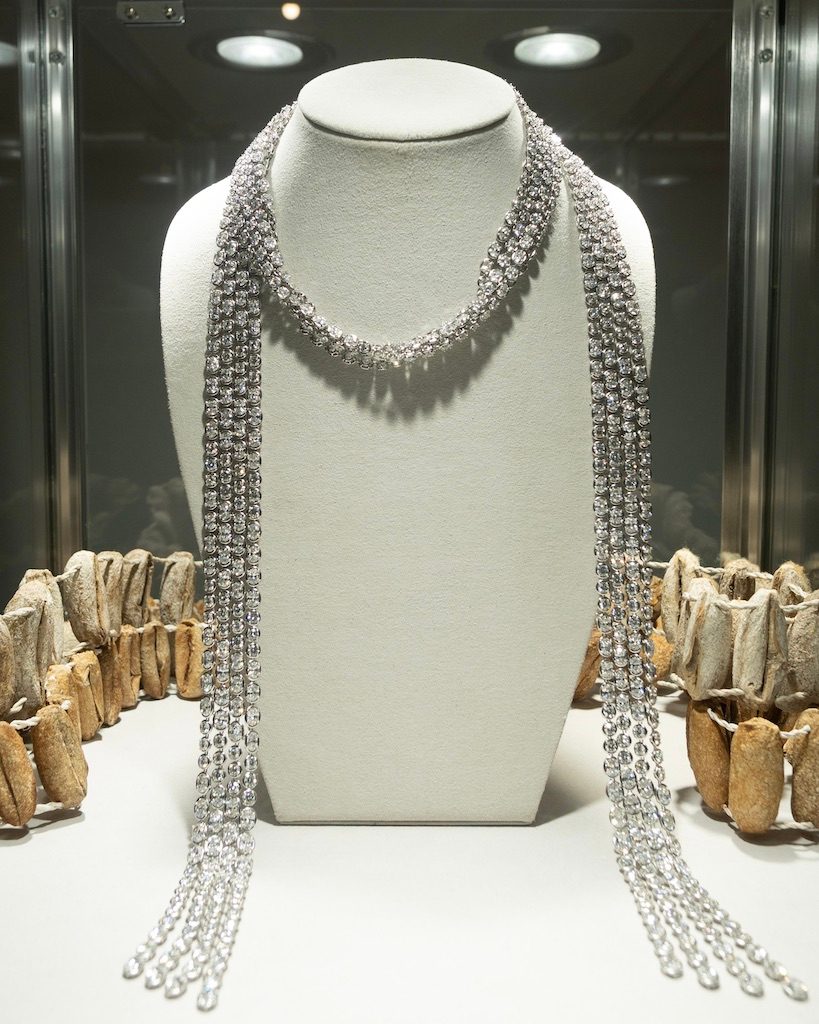
60 Years In, Botswana’s Future Is Written in Diamonds
Botswana came to New York to celebrate 60 years of independence. The conversation quickly turned to diamonds, conservation, and the women shaping what comes next.
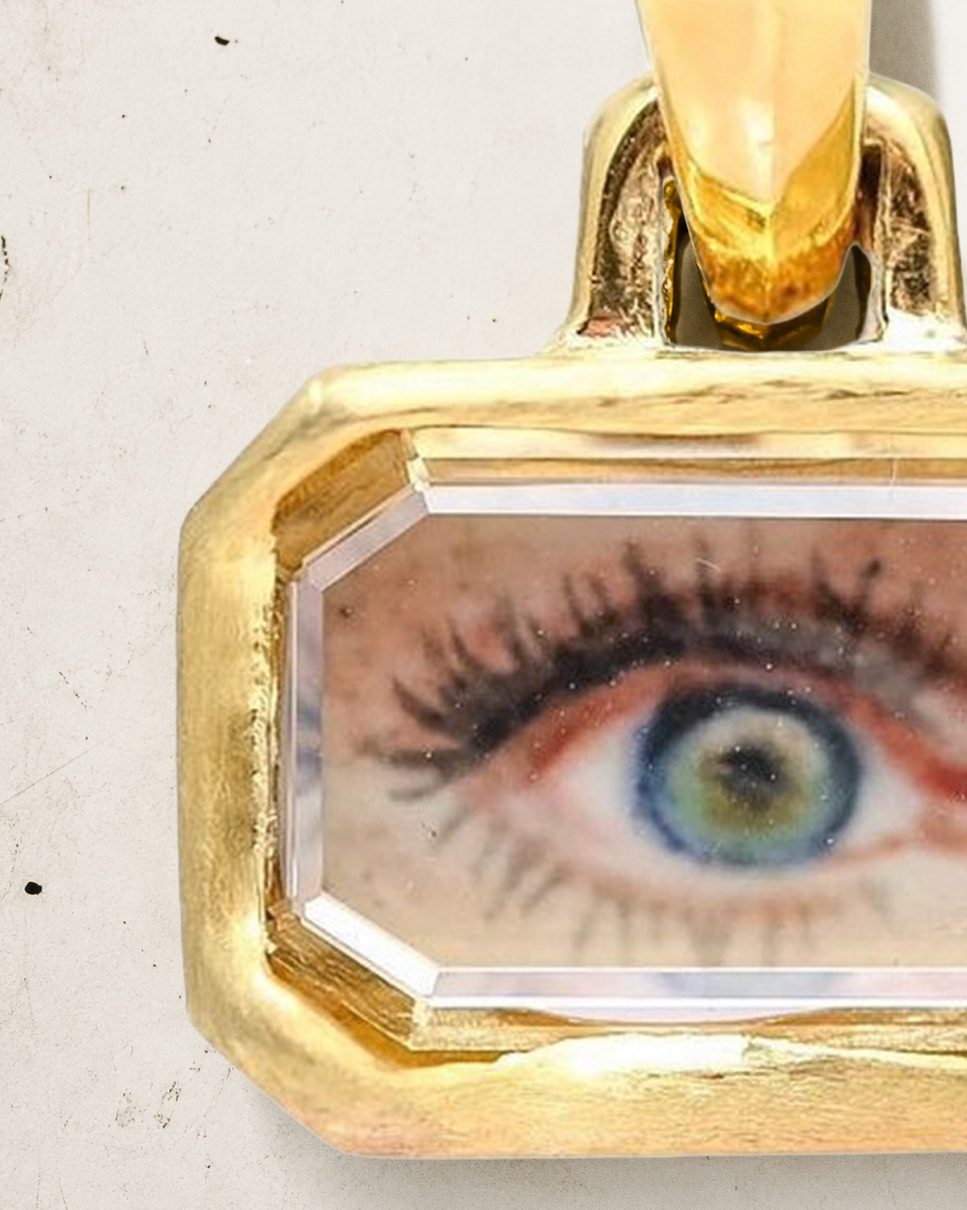
The Antique Diamond Cut Hiding in Plain Sight
Thin as glass and almost as transparent, portrait cut diamonds have kept a low profile for centuries. Now, a new generation of designers are looking closer.
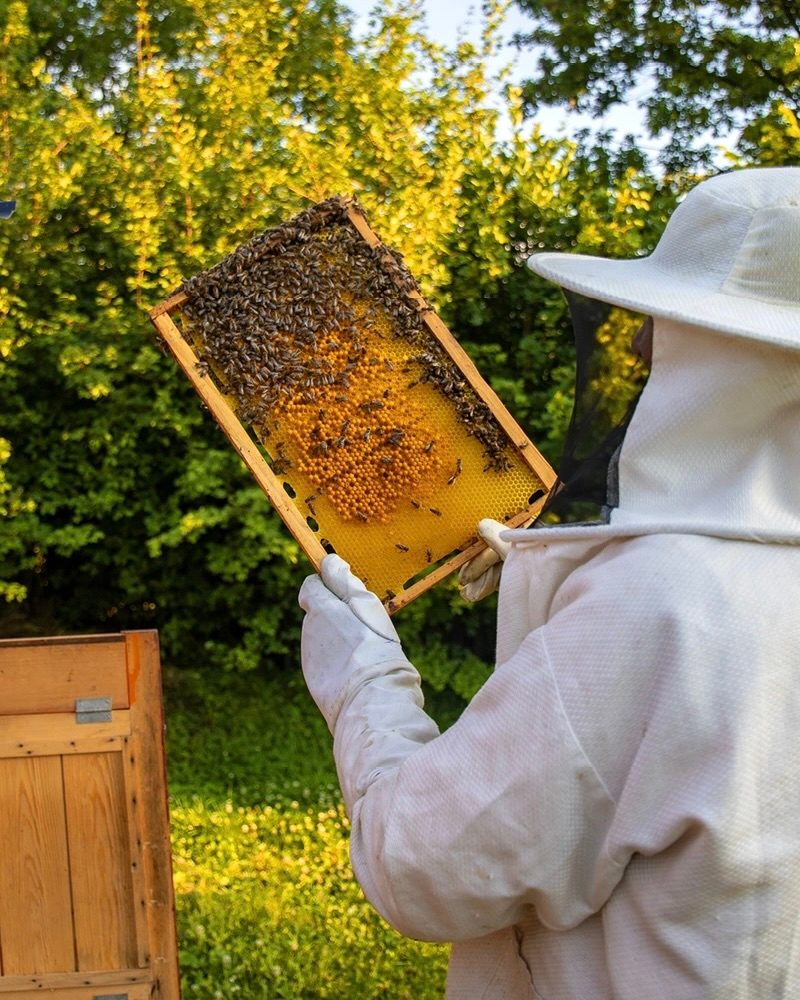
What Do Diamonds Have to Do With Bees? Everything.
Petra Diamonds is prioritizing ecosystems, livelihoods, and the Honey Bee through diamond mining.
Get the Newsletter
Sign up for the latest diamond news, delivered directly to your inbox.