


(Getty Images)
The Diamonds Behind a More Brilliant Botswana
What can a diamond do? In Botswana, probably more than you think. Diamonds transformed a nation, and they’re still shaping what comes next.
Transformation is a word often associated with the formation of diamonds. Over the course of billions of years, carbon atoms slowly formed into brilliant gems deep within the Earth. For Botswana diamonds, transformation has another meaning entirely. Diamonds have helped reshape the fortunes of a nation. The story of Botswana’s diamonds stretches from a discovery that changed the country’s fate to the progress and possibilities they continue to support today.
The Discovery That Changed Everything
Botswana, a landlocked country in Southern Africa, is both the birthplace of modern humans more than 200,000 years ago and home to diamonds that began forming billions of years before that.
The first significant diamond deposit in Botswana was discovered in 1967, just one year after the country gained independence from Britain. At the time, Botswana was one of the poorest countries in the world, with little infrastructure and limited access to formal education. The country’s founding president, Sir Seretse Khama, saw its natural resources as a way forward, building an ambitious economic development program around them.
Diamonds soon became central to Botswana’s transformation. Diamond mining operates under licensing agreements with the government, allowing a significant share of diamond revenue to flow back into the country and its economy.
Today, Botswana is one of the world’s leading diamond-producing countries by value. Botswana diamonds and the industry as a whole account for a significant share of the country’s GDP and exports.
The majority of the country’s diamond mines are managed by Debswana Diamond Company, a joint venture between the Botswana government and De Beers. The exception is the Karowe mine, which is operated by Lucara. Together, Botswana’s mines have produced some of the world’s most remarkable natural diamonds.
How Botswana Took Control of Its Future
In 2013, the formation of Okavango Diamond Company (ODC) marked a new chapter in Botswana’s diamond story. Named after the lush Okavango Delta, a UNESCO World Heritage site, ODC is wholly owned by the Botswana government. Its entire workforce is Batswana, and more than half are women.
As Botswana’s first state-owned diamond trading company, ODC gave the country a greater role in bringing its own natural resources to the global market. It also created another way for Botswana to capture the value of its diamonds at home.
That impact extends beyond the trade itself. ODC supports community projects, education programs, and job creation designed to put diamond wealth to work for the people who live where the stones originate.
The impact of Botswana’s diamonds becomes clearest when you look beyond the mine. Diamond revenue has helped fund infrastructure, education, and healthcare across the country.
Much of Botswana’s population benefits from free education for children and universal healthcare. For a country that entered independence with little infrastructure and widespread poverty, the scale of that change is significant.
The diamond industry also provides thousands of direct jobs while supporting an ecosystem of other industries, from hospitality to manufacturing. The value of a Botswana diamond, in other words, doesn’t end when it leaves the ground.
Every Diamond from Botswana Comes With a Story
Provenance means something different when you can trace a diamond back to a place it has helped shape. Botswana’s approach to its natural resources has allowed diamond revenues to be reinvested in infrastructure and public programs. Simply put, a diamond from Botswana benefits the people of Botswana.
And then there are the stones themselves.
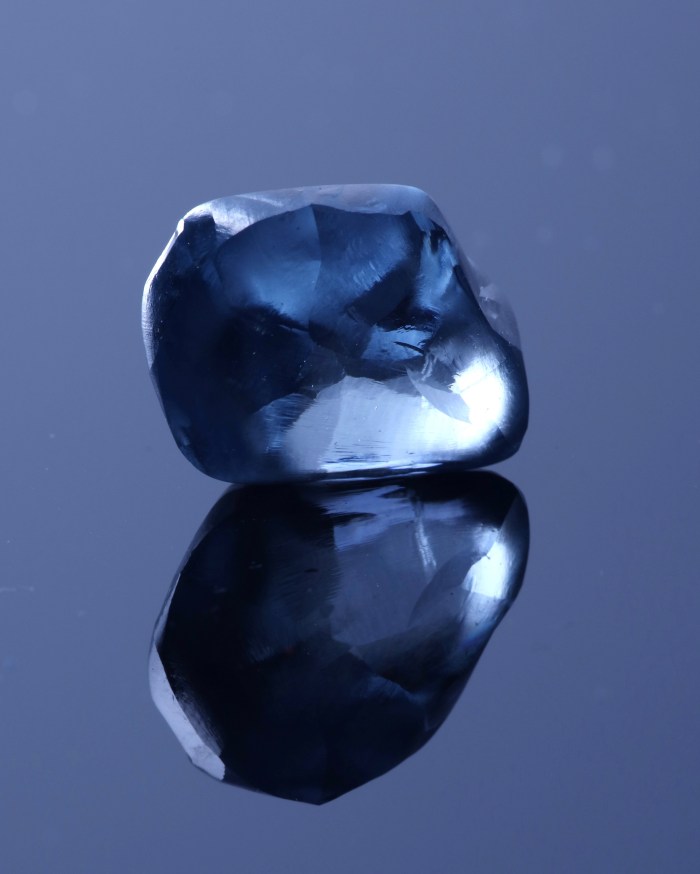
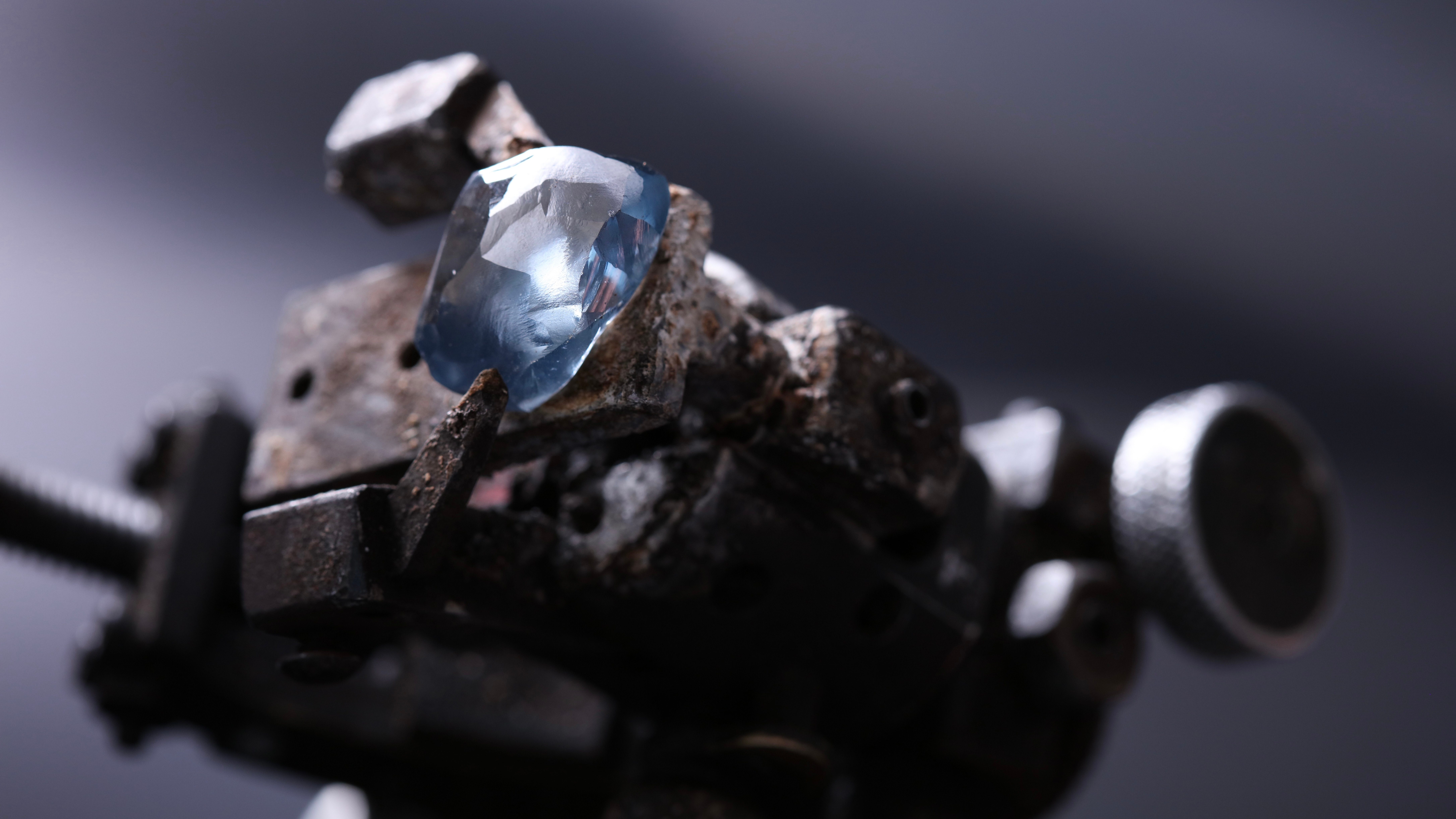
Botswana produces diamonds across a range of qualities, but one electric-blue discovery became an instant national icon. The Okavango Blue was mined as a 41.11 carat rough diamond before being cut into a 20.46 carat fancy deep blue diamond. Discovered at the Orapa Mine in 2018 and owned by ODC, it is one of Botswana’s most extraordinary finds, its rare color the result of the geological wonders behind Botswana diamonds.
The nearly flawless stone was exhibited publicly for the first time in 2022 at the American Museum of Natural History. Since then, its influence has traveled well beyond gemology, inspiring poets, filmmakers, and fashion designers. A geological rarity became something bigger: a symbol of Botswana itself.

Simply put, a diamond from Botswana benefits the people of Botswana.

Protecting the Bigger Picture
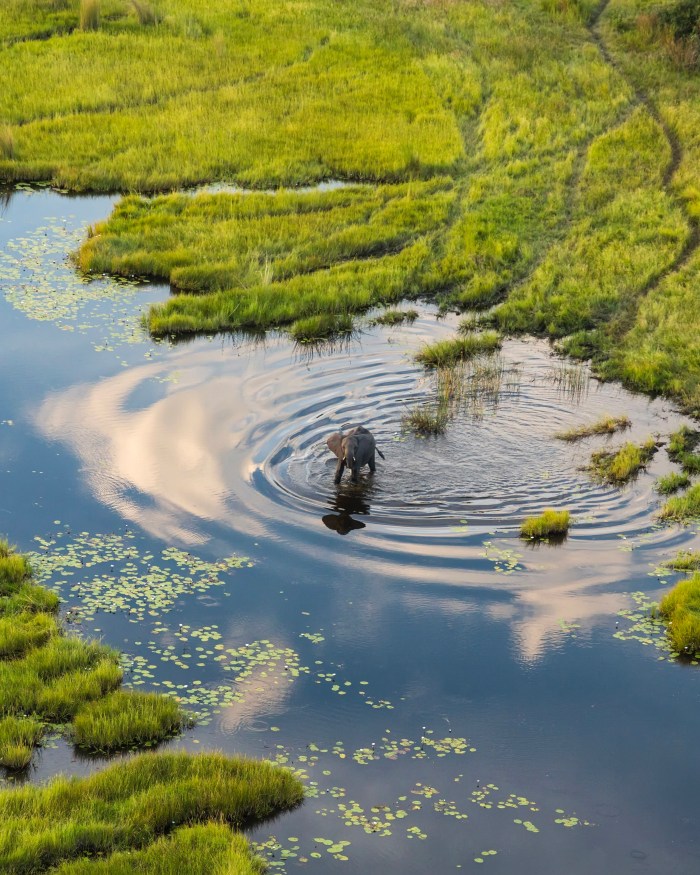
The story of Botswana diamonds is also inseparable from the land the stones come from. In partnership with industry stakeholders, the government has implemented environmental and social standards designed to reduce mining’s impact and protect the landscapes surrounding its operations.
Environmental conservation efforts include rehabilitating land after mining operations close, with extensive work undertaken to return sites to a natural state. Regulations and monitoring mechanisms also help safeguard water resources and wildlife habitats in and around diamond mining areas.
Knowing where a diamond comes from matters, too. ODC subjects its diamonds to third-party certification processes from organizations including the Gemological Institute of America (GIA) and Rapaport. Its Green Star Source Programme is designed to make polished diamonds traceable back to Botswana.
Diamonds meeting the program’s criteria receive the GIA Diamond Origin Report (DOR) and Rapaport Green Star certification. ODC is also looking at what comes next. Its new headquarters is being built with rooftop and carport photovoltaic systems designed to generate solar power and reduce reliance on conventional energy during the day.
In little more than half a century, Botswana has turned one of the world’s most extraordinary natural resources into something much bigger than a commodity. Diamond wealth has helped fund infrastructure, education, healthcare, jobs, and a growing place for Botswana within the global diamond industry.
And the ambition keeps moving. Botswana is working to become not only one of the world’s most important sources of natural diamonds, but a global diamond hub in its own right.
That makes the origin of Botswana diamonds unusually powerful. It begins billions of years ago, deep beneath the Earth, but what happens after the diamond reaches the surface may be the more unexpected story. Here, a natural diamond can represent transformation, progress, and possibility, with a future still being shaped.