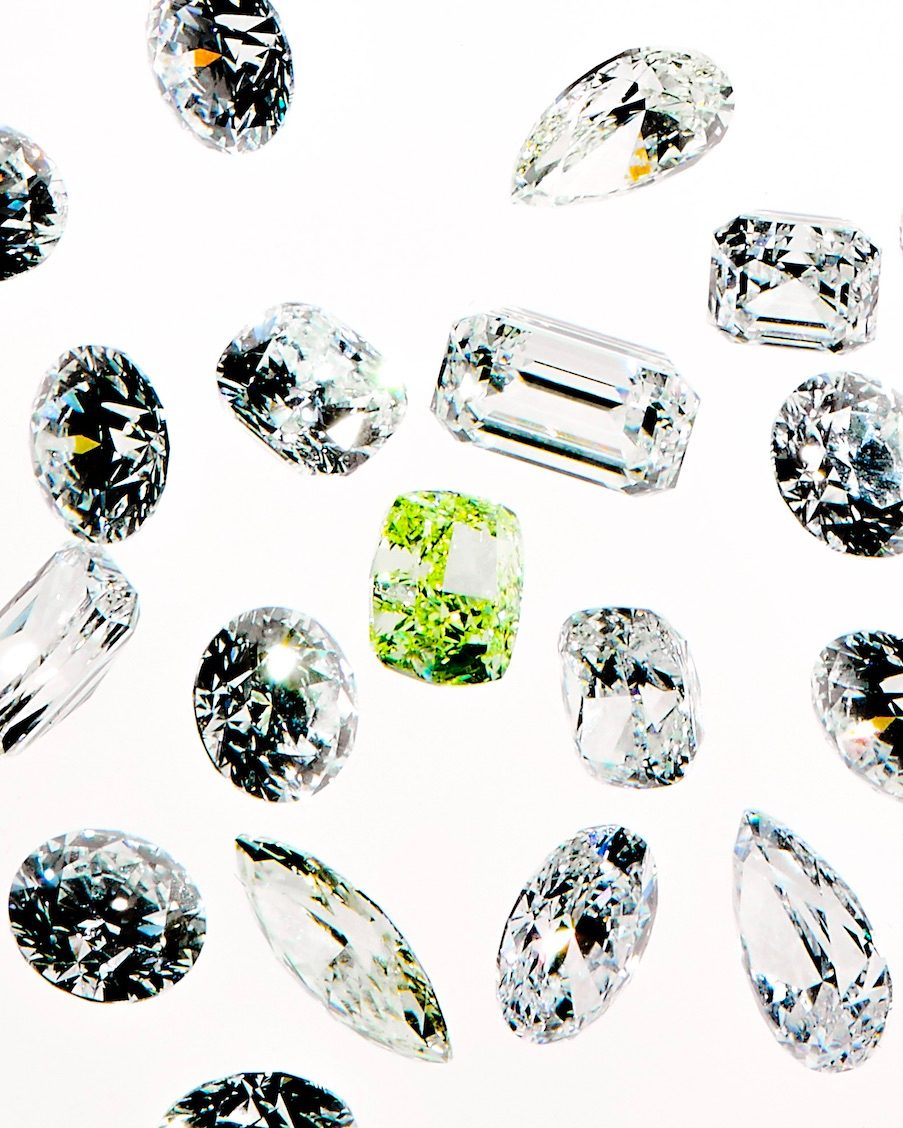
Looking this good is actually a result of atomic damage. Green diamonds have one of the strangest origin stories of all time.
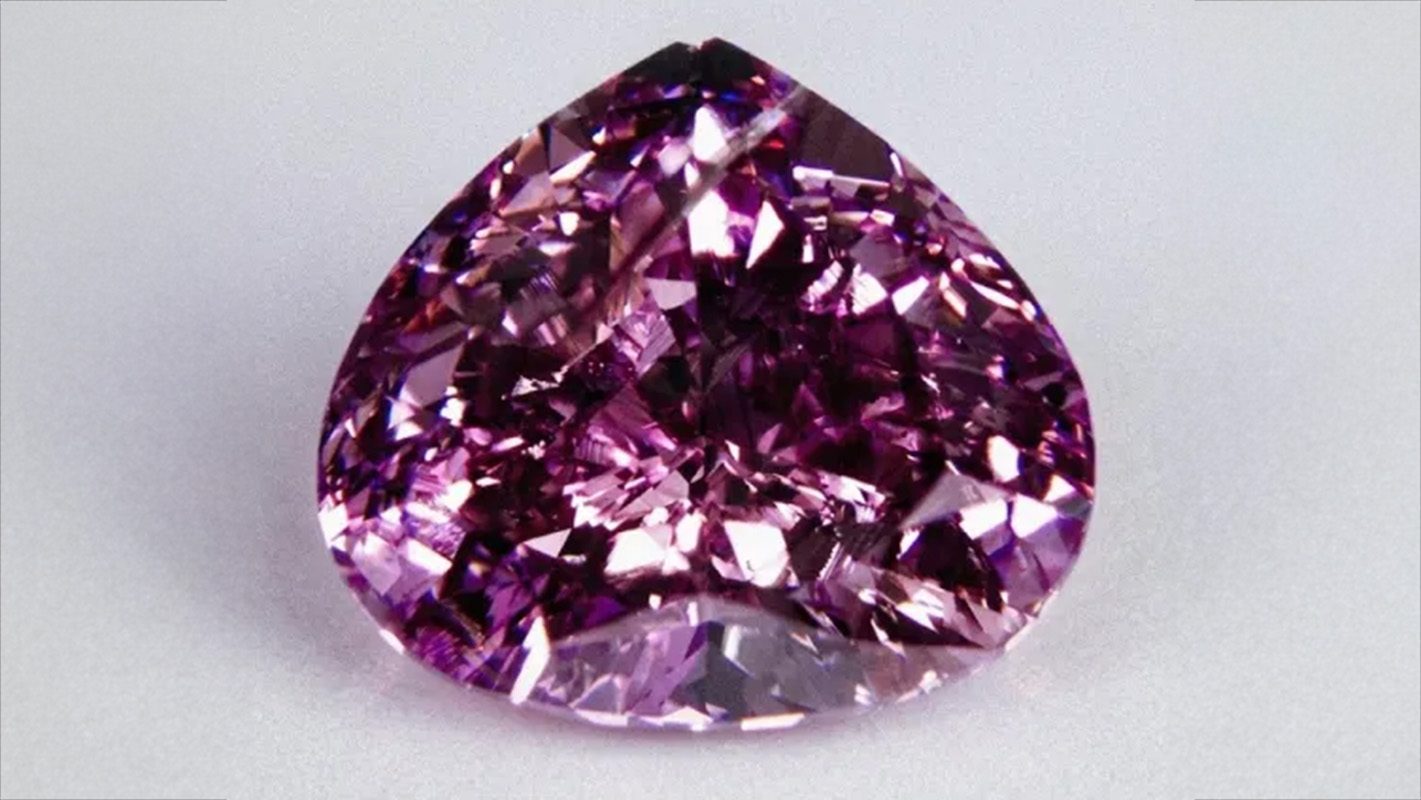
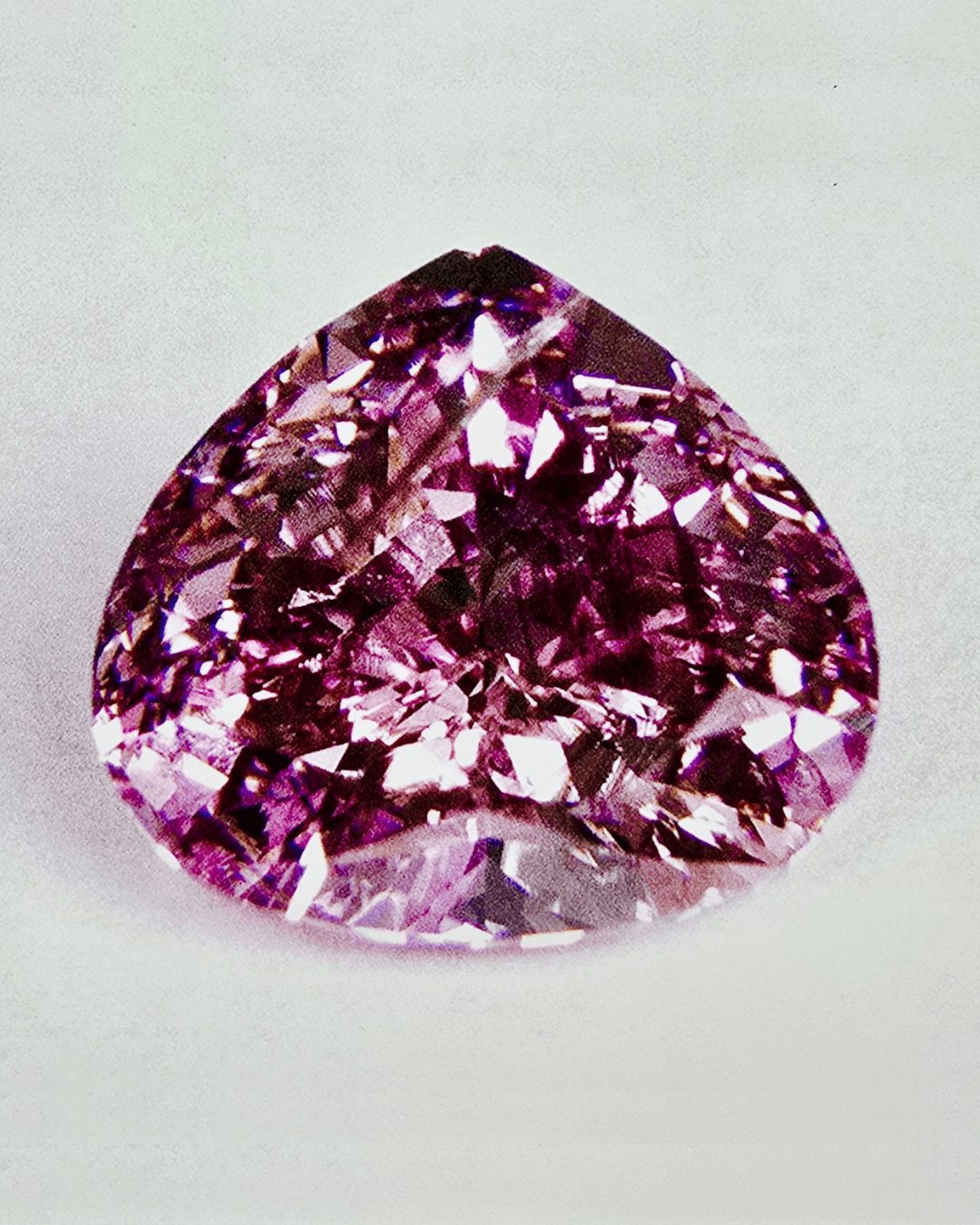
Royal Purple Heart Diamond image from the original GIA paperwork (Courtesy of Julius Klein)
Purple Diamonds Are a Geological Fever Dream
What happens when nature breaks its own rules? A diamond so rare, so strangely beautiful, that even scientists are still trying to understand it.
Purple diamonds sound almost too extraordinary to be real. In fact, even some gemstone experts don’t know they exist. But I’m here to tell you they absolutely do. And they’re among the rarest, most mysterious gems on Earth.
Appearing in shades of lilac, lavender, and deep plum, these extraordinary diamonds are so elusive that even seasoned jewelry experts may go their entire careers without encountering one. Even more fascinating? Scientists still don’t fully understand how they get their color.
Diamonds can form in nearly every color of the rainbow, but purple is in a league of its own. Born under extraordinary geological pressure, these wonders owe their color to distortions deep within their crystal structure.
Some are barely kissed with lavender. Others glow with rich, saturated purple. Each is a small geological miracle, millions of years in the making, and proof that the Earth still has secrets worth uncovering.
The Strange Science of Purple Diamonds
Unlike most fancy-colored diamonds, purple diamonds likely owe their color not to trace elements but to distortions that happen deep within the Earth. When extreme pressure bends and twists a diamond’s atomic lattice (a process known as plastic deformation), it changes the way light moves through the crystal, creating hues of pink, red, and in very rare cases, purple.
But exactly how diamonds turn purple remains something of a mystery. So few exist that scientists have limited opportunities to study them, and testing that could damage or destroy a stone is rarely an option.
The leading theory? Extreme pressure changes the diamond’s internal structure, creating its extraordinary color, much like it does in pink diamonds. Certain elements, including hydrogen and boron, may also play a role in shaping the final shade.
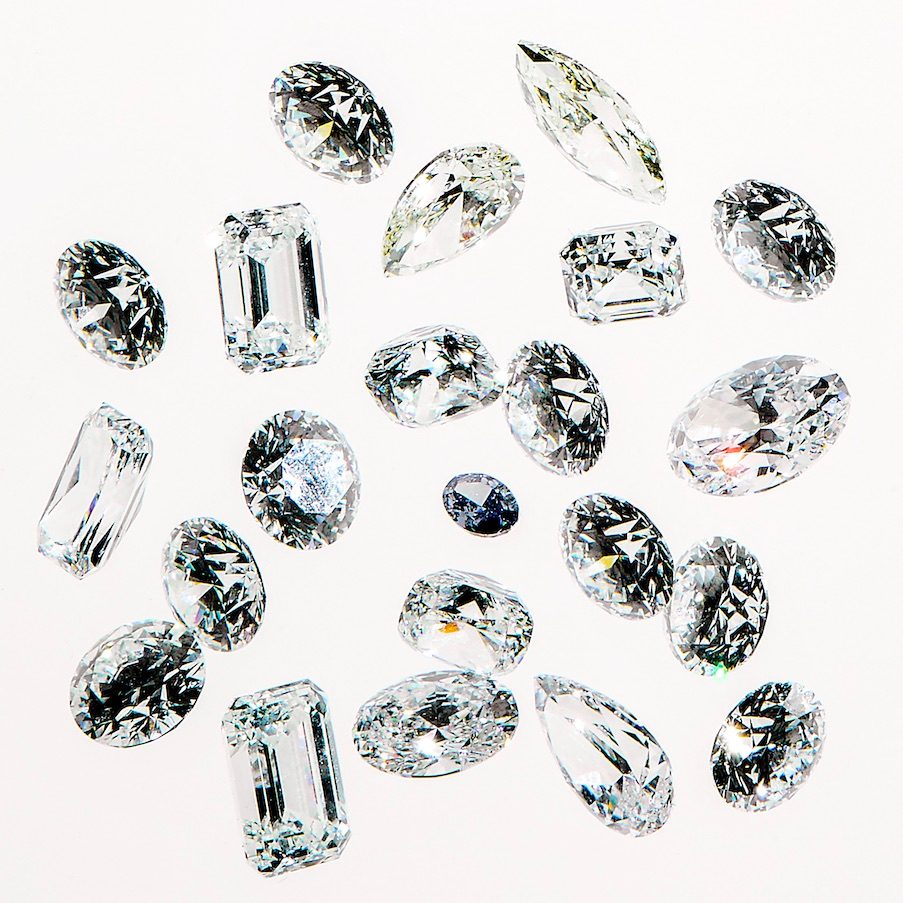
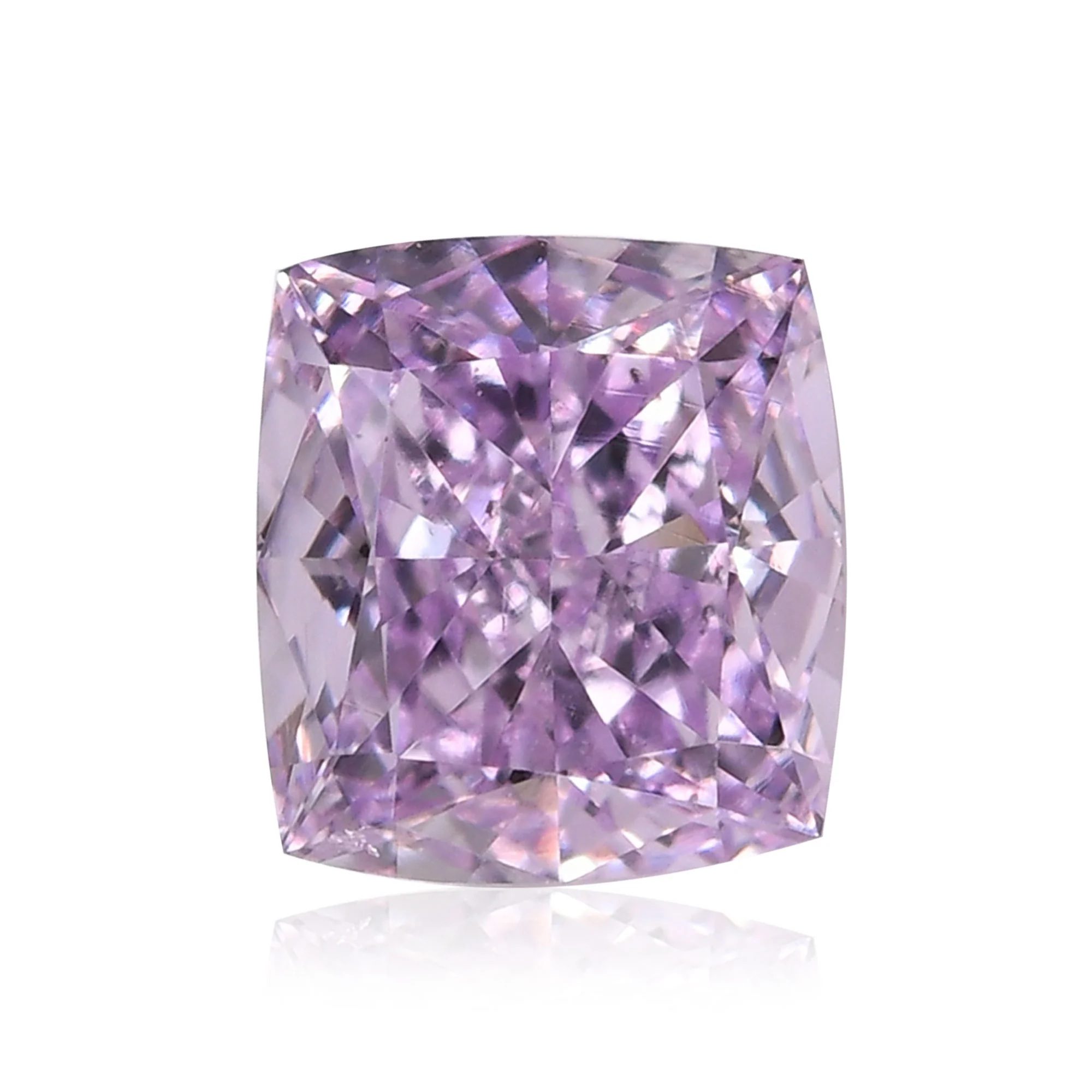
Mark Klein, Vice President of Julius Klein Diamonds, explains, “Natural purple diamonds are unlike any other material a cutter can encounter. Their beauty comes from distortion within the crystal lattice. The very strain that gives them color also makes them some of the most fragile crystals in the world. The geological stress leaves behind ‘slip planes’ that make them far more prone to cracking or cleaving while cutting.
It’s an extraordinary irony, really, that their royal hue comes with such fragility—just as Shakespeare wrote, ‘Uneasy lies the head that wears a crown.’ Even the most seasoned master cutters approach purple diamonds with reverence and caution. Unlike other colors, where centuries of examples guide your hand, with purples, you’re working in near silence, relying on intuition and respect for the material. Every purple diamond is a gamble, but when you succeed, the reward is something truly otherworldly.”
The result is a breathtaking range of hues from delicate lilac to deep purple, shaped by millions of years of geological pressure and time.
Where in the World Are Purple Diamonds?
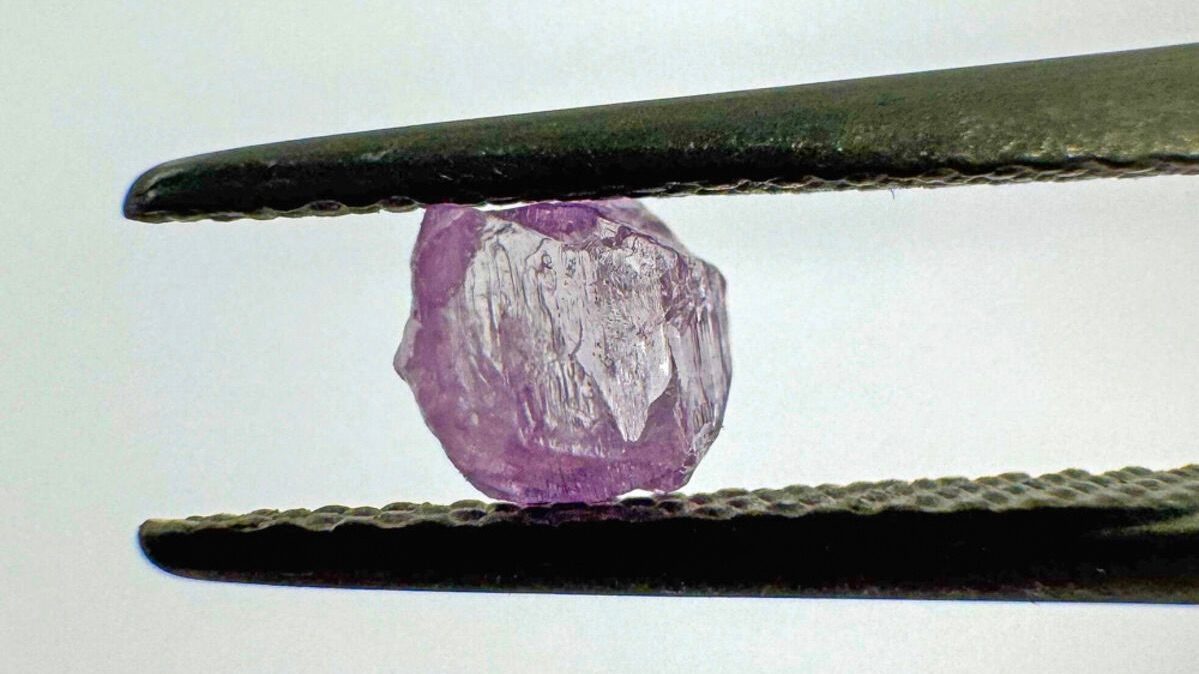
Most known purple diamonds have come from Australia’s famed Argyle mine, which produced more than 90 percent of the world’s pink and red diamonds until its closure in 2020. However, miners have also discovered a handful of purple diamonds in other parts of the world, including Siberia, Canada, and Brazil.
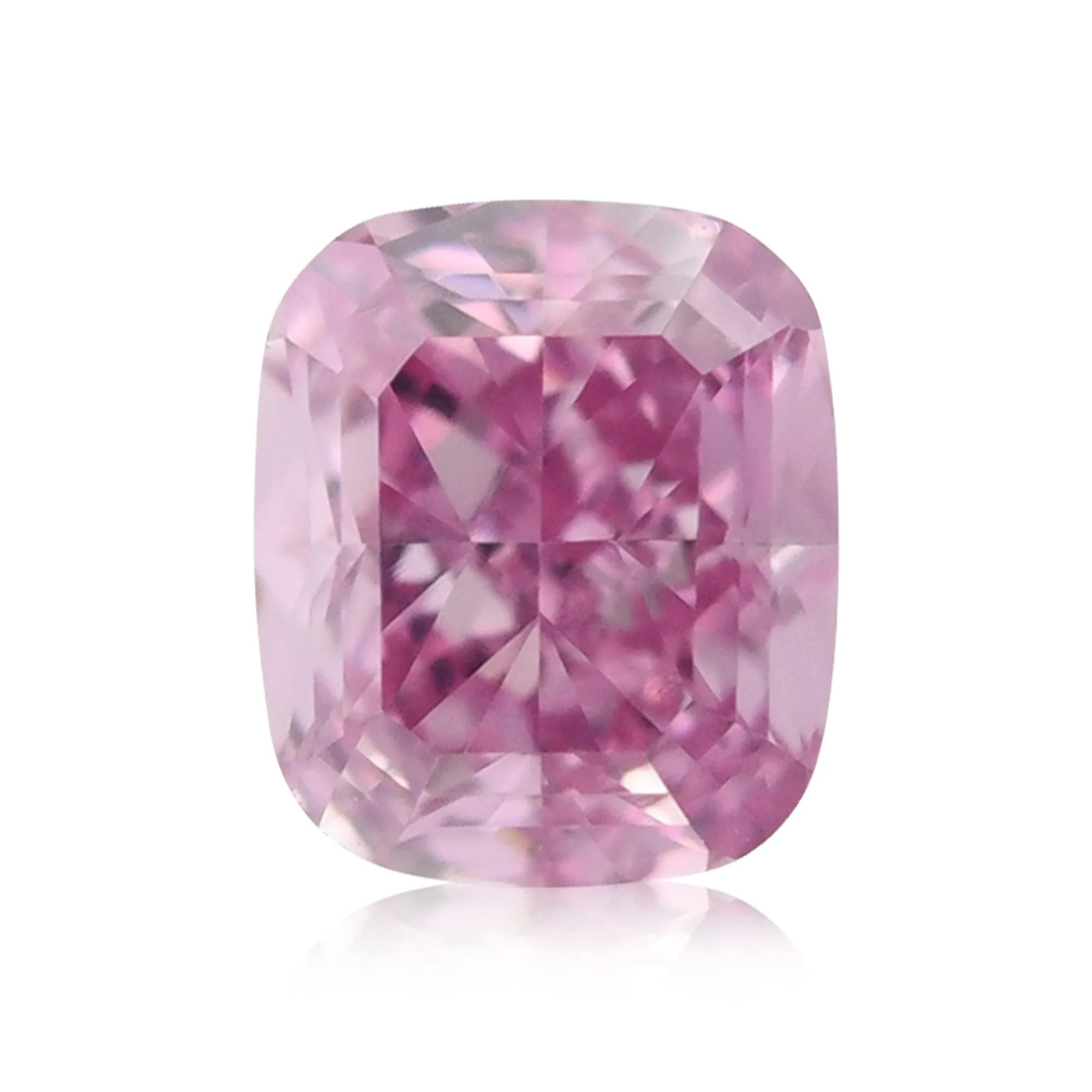
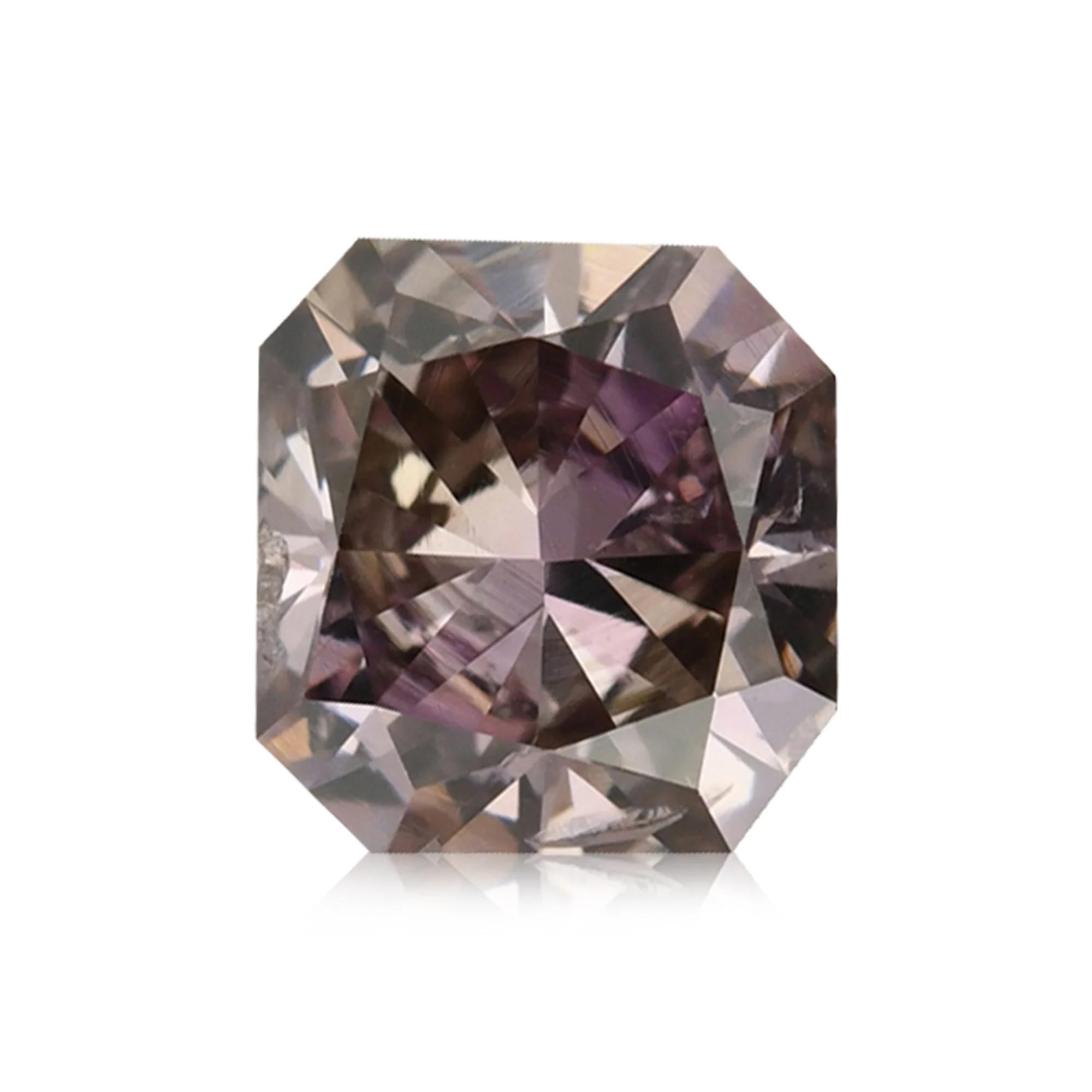
Pure purple diamonds are exceptionally rare, far rarer than pink, blue, or green diamonds, and large ones are almost non-existent. Due to this scarcity, the more intense the purple color, the higher its value. Diamonds with a strong secondary pink hue are particularly desirable, often reaching values in the millions per carat. Those with gray or brown secondary tones, on the other hand, tend to be less valuable.
Not All Purple Is Created Equal
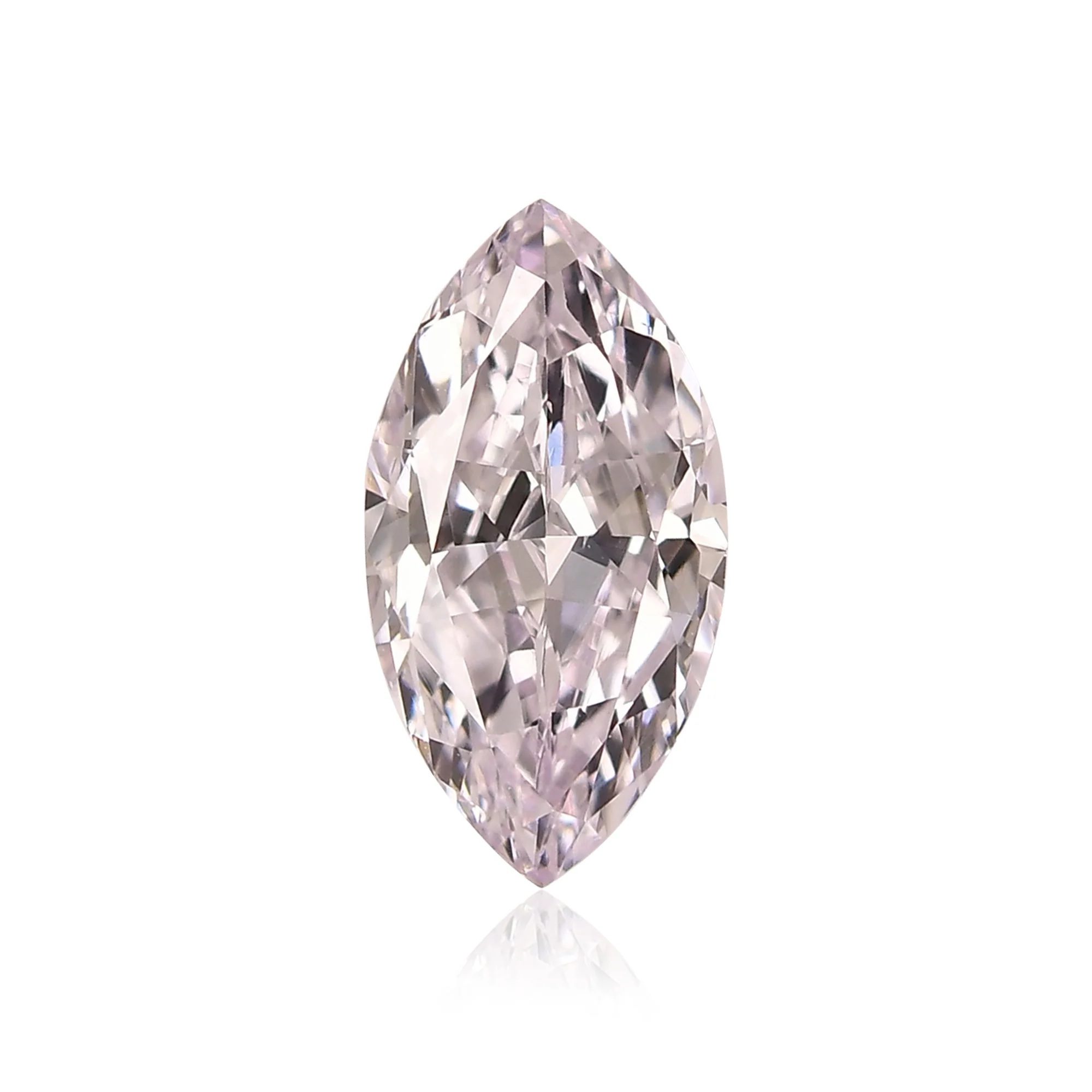
To make sense of the endless color variations in fancy-colored diamonds, the Gemological Institute of America (GIA) developed a uniform system that categorizes 12 main colors, 90 secondary hues, nine intensity levels, and over 230 combinations. Gemologists grade purple diamonds within this framework, assigning intensity levels that range from Faint to Fancy Vivid.
Because most purple diamonds display a soft or medium tone, only a select few ever achieve the deeper grades of Fancy Deep or Fancy Vivid. A pure purple is so rare that most of the world’s most famous examples actually have modifying colors, often pink.
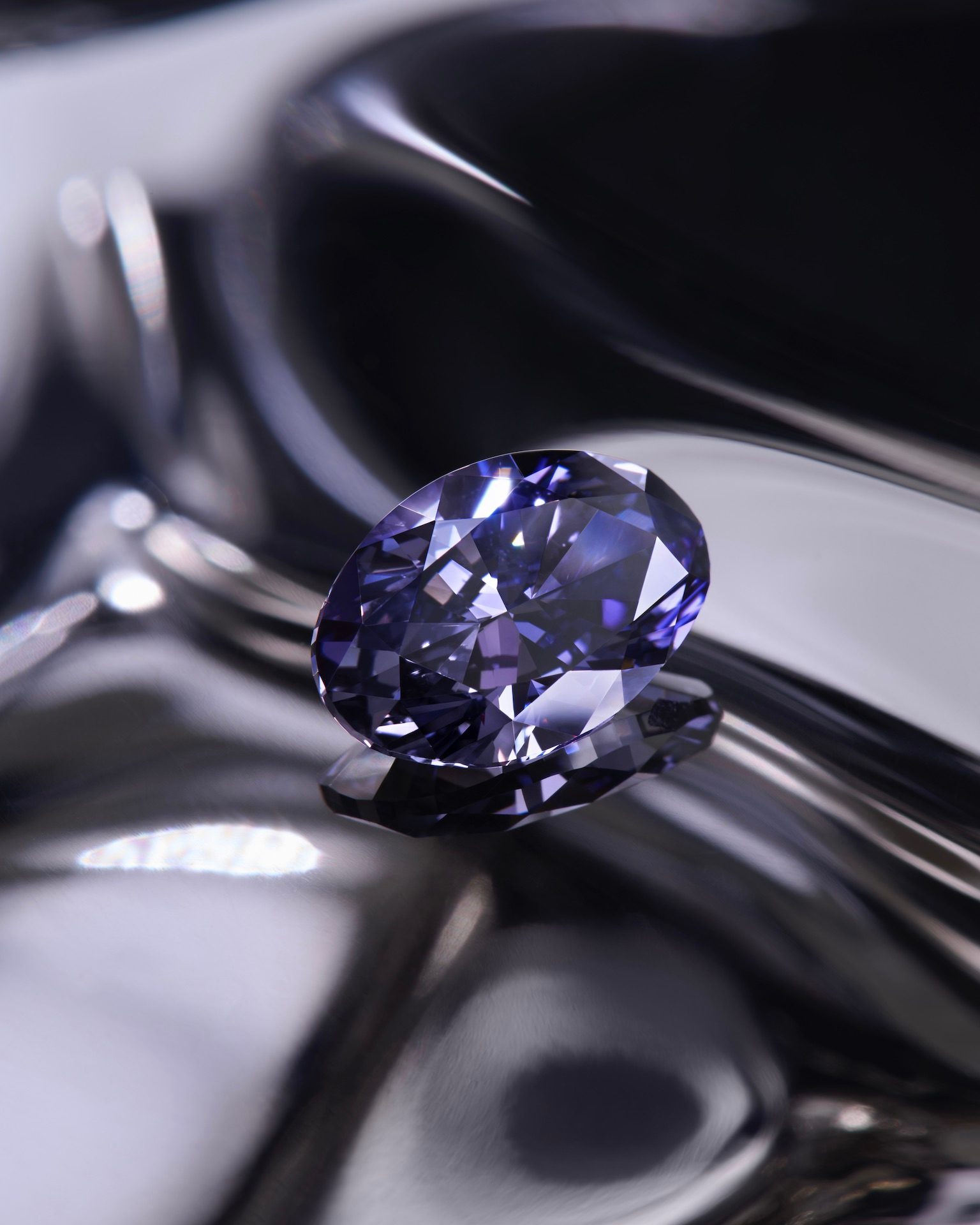
It’s also worth noting that purple and violet are distinct hues. On the color wheel, purple sits closer to red, while violet leans toward blue, a cooler shade. The GIA recognizes them as separate color categories, with no in-between.
Rare Is an Understatement
Purple diamonds are considered the second rarest diamond color in the world, surpassed only by red diamonds. Their scarcity is a perfect example of supply and demand: when supply is nearly zero, even a small stone commands astronomical prices.
Enhanced purple diamonds, which change color through man-made heat or radiation treatments, do exist. However, only diamonds that develop their purple hue naturally are considered truly “natural purple.” This distinction creates a significant difference in value, and experts can always identify the difference between the two.
Due to their rarity, purple diamonds are often found only in small sizes or as part of a modifying color grade, rather than as large, single stones. Even at auction, it’s highly uncommon to see one surface.
The Most Famous Purple Diamond Ever
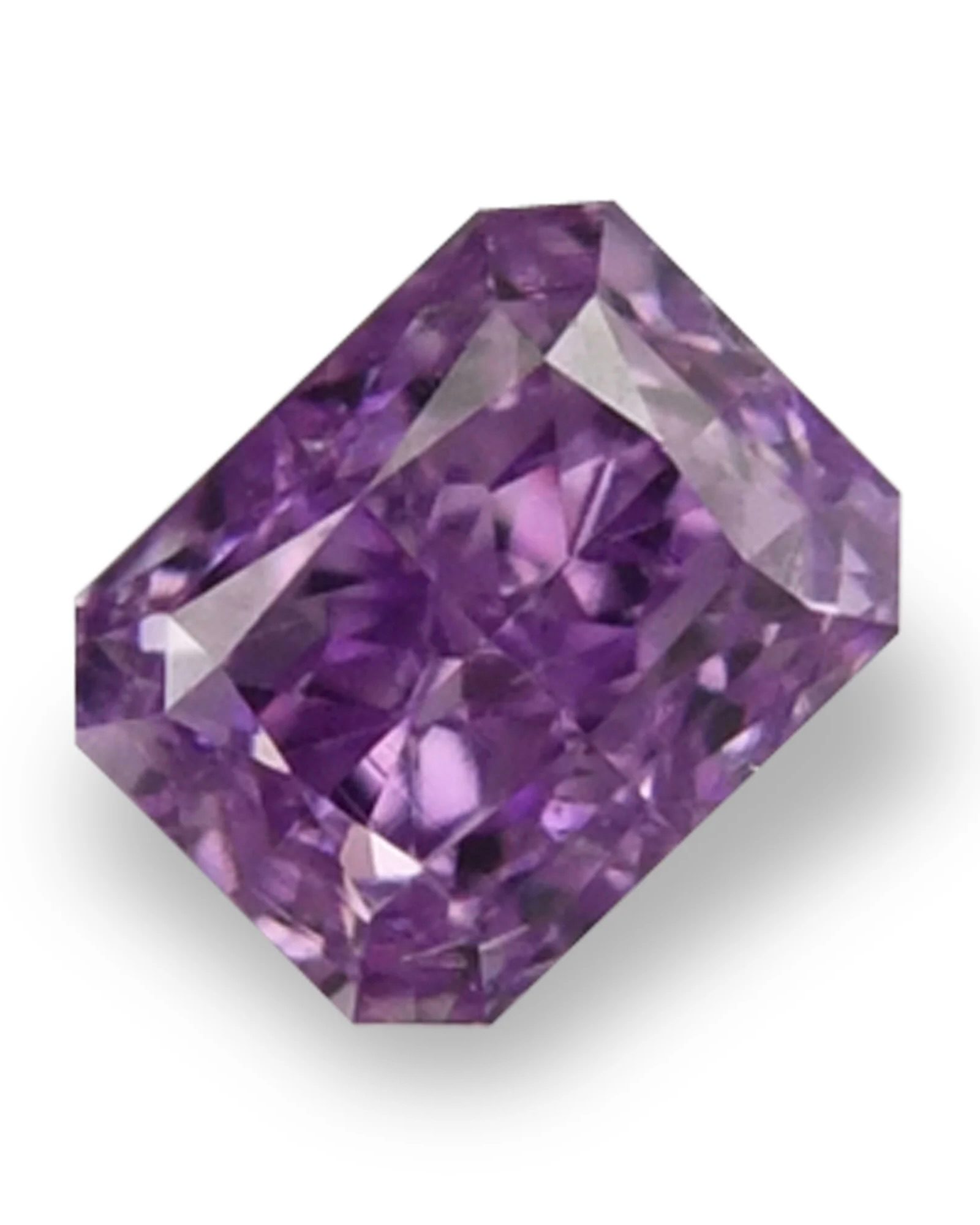
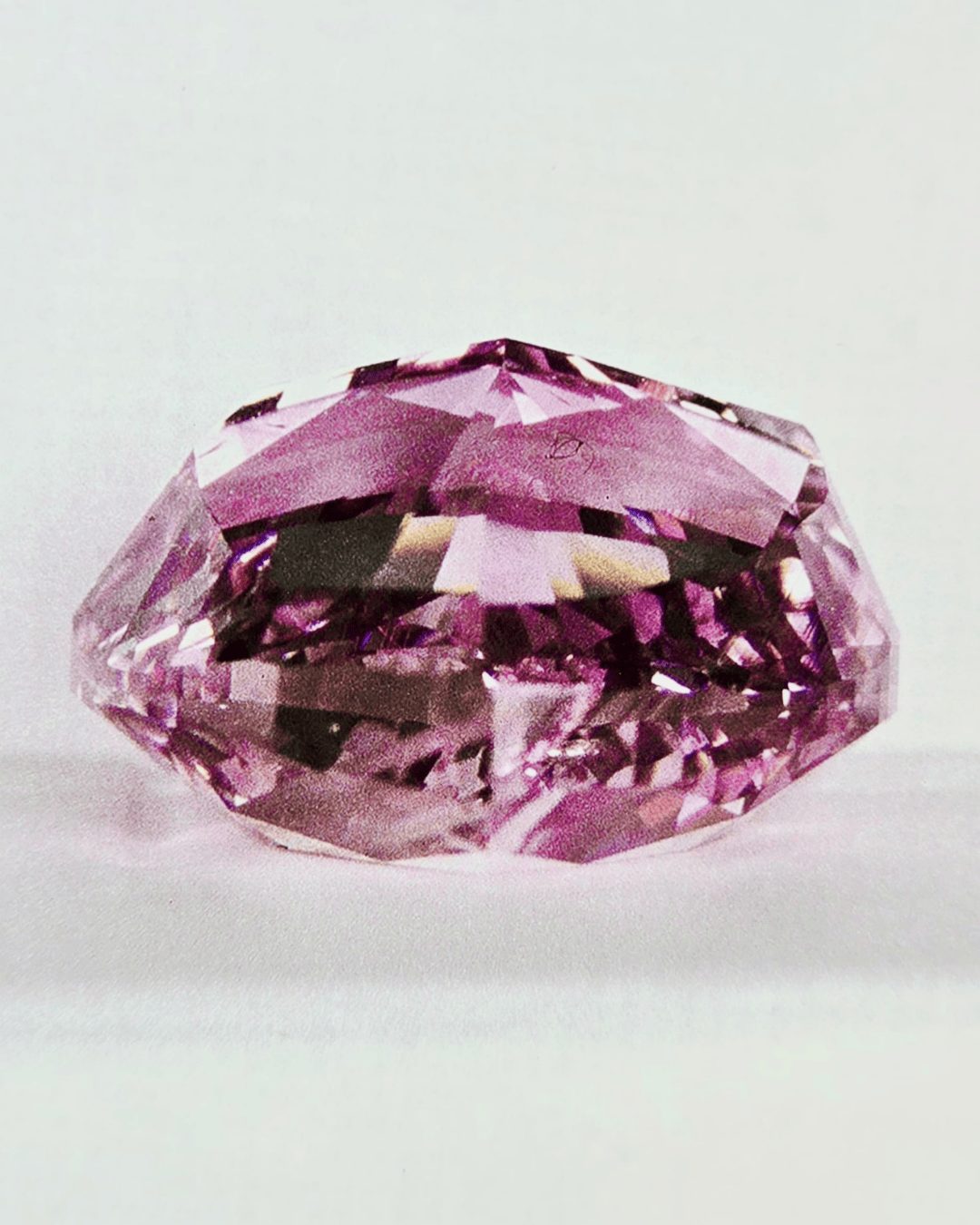
Among the few known examples, the most famous is the Royal Purple Heart Diamond, a magnificent 7.34-carat Fancy Vivid Purple diamond cut into a heart shape. Julius Klein Diamonds cut the gem from a Siberian rough, and GIA recognizes it as the largest Fancy Vivid Purple diamond in existence.
Klein said, “To my great misfortune, I was born just a decade too late to work alongside my family on The Purple Heart. My father still talks about that diamond with a mix of awe and exhaustion. He likes to say, half-laughing, that ‘that diamond almost gave me a heart attack.’ Even now, decades later, there’s a special tone in his voice when he mentions it. For me, it’s a piece of family history I’ve always carried pride in.”
“Over the years, I’ve had the privilege of overseeing the cutting of several purples from soft lavenders to deep, royal tones, and I’ve even worked with the same artisan who helped bring The Purple Heart to life. With every purple we’re working on, that diamond always comes up. It’s the reference point, the benchmark, the legend we measure all others against.”
Despite its fame, the Royal Purple Heart retains an air of mystery. Its current ownership and price remain undisclosed, adding to its almost mythical reputation.
Another mysterious diamond, known as the Supreme Purple Star, briefly surfaced in London in 2002. It is said to display both purple and red hues. It is so mysterious that even its exact carat weight is undisclosed. Weighing an estimated two to five carats, it reportedly appears either purple or red, depending on the light, and exhibits these colors separately. If real, it would be the only known diamond with this property, though its whereabouts today remain unknown.
The Mystical Meaning of the Color Purple
Purple diamonds sit at the intersection of intellect and emotion, with their color falling between blue and red on the spectrum. This balance gives them a symbolic association with discernment, inner clarity, and thoughtful restraint. Across cultures, purple has long represented wisdom and elevated consciousness, meanings that are intensified when the color appears in a diamond.
Rather than signaling spectacle, purple diamonds are often linked to intention and quiet authority. They are associated with intuition and insight earned through experience rather than impulse. In that sense, the spiritual meaning of a purple diamond reflects its rarity and formation, shaped by subtle forces over time and valued for depth rather than display.
The Allure of the Almost Impossible
Part of what makes purple diamonds so alluring is their dual nature: a combination of scientific wonder and symbolic meaning. Historically, royalty, power, and creativity have been associated with the color purple, which rulers once reserved exclusively for kings and emperors. Owning a purple diamond feels like holding a piece of that history, crystallized by nature itself.
Each one is a geological rarity that survived the violent birth of the Earth, traveled upward through volcanic eruptions, and somehow emerged with a color so delicate and mysterious that even science can’t fully explain it.
Green Diamonds Have a Radioactive Origin Story
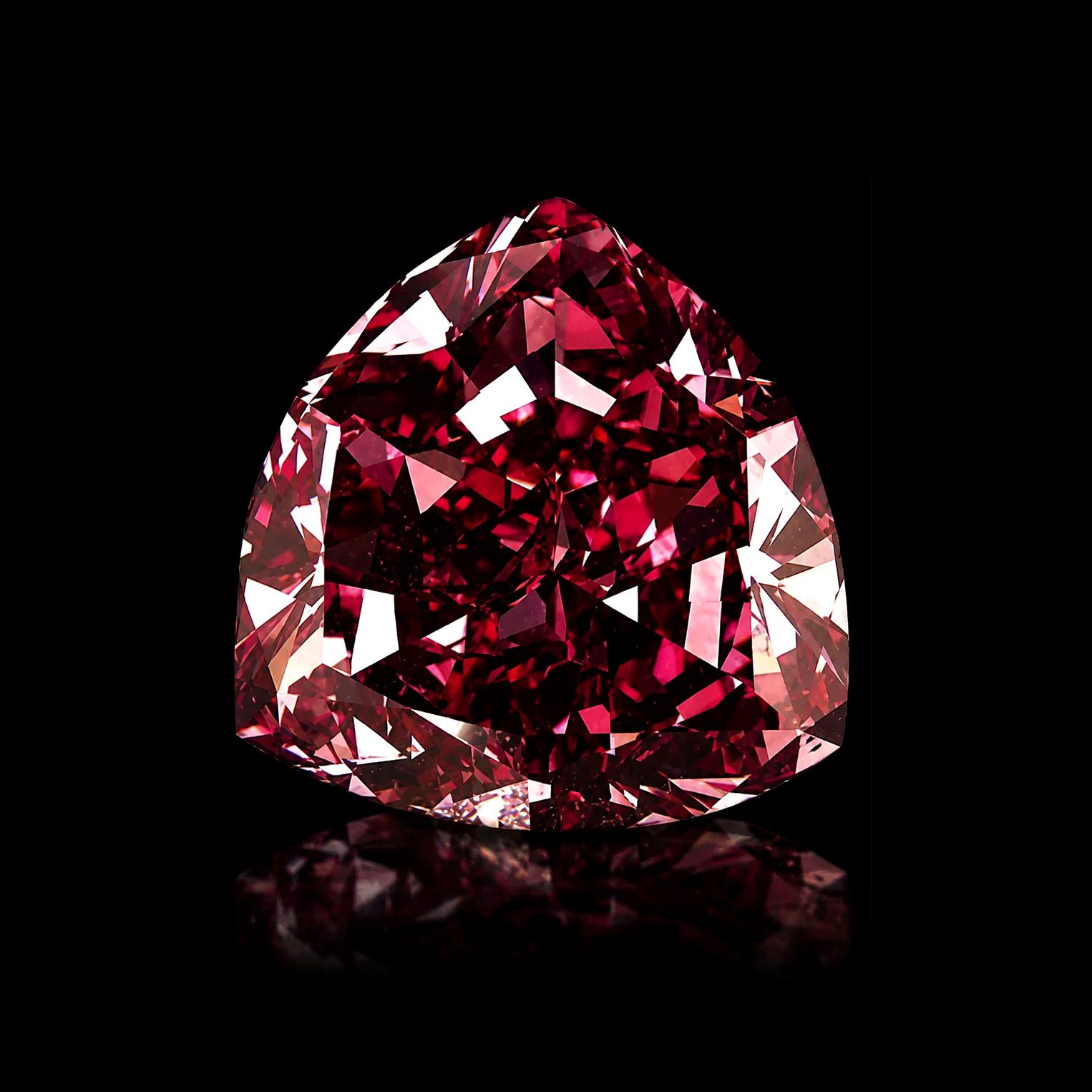
The Moussaieff Red Diamond Is a Beautiful Freak of Nature
The Moussaieff Red Diamond is the largest natural red diamond ever found, a 5.11-carat gem whose extreme rarity means the world may never see another like it.
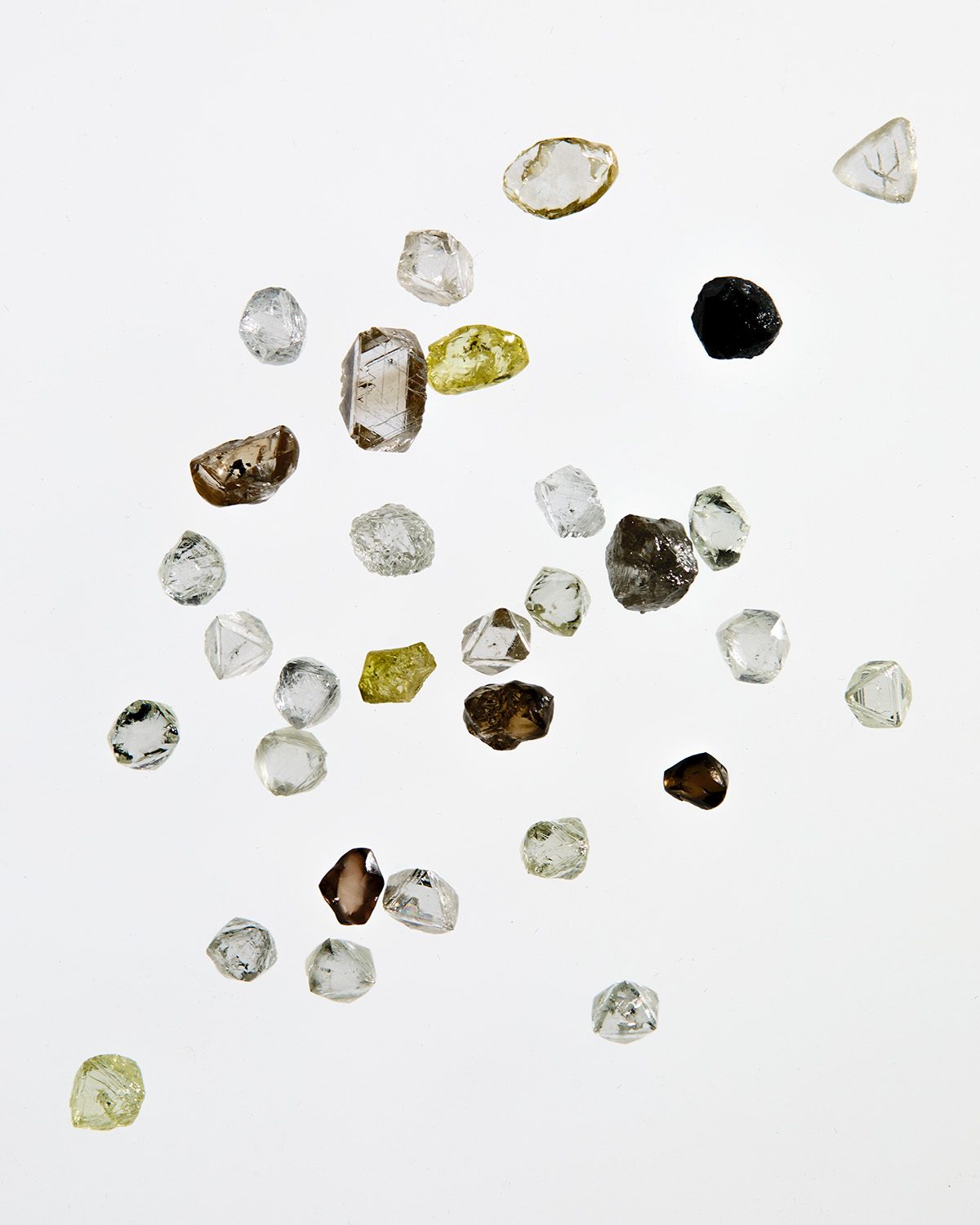
Warm Diamonds Are the New Cool
Diamond perfection used to mean icy, colorless and flawless. Not anymore.
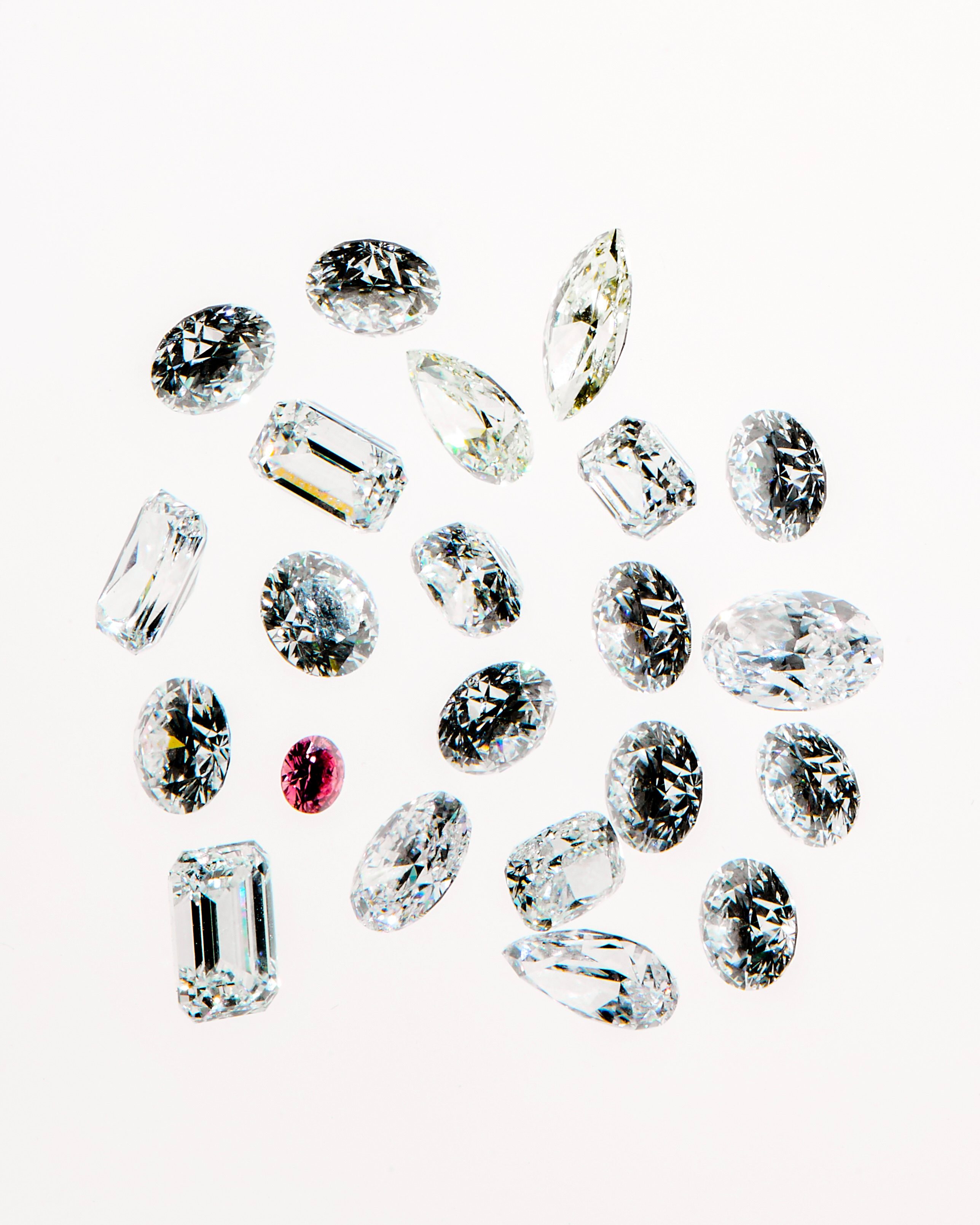
The Red Diamond Is the Rarest of All
What makes a diamond red? Even scientists don't have the full answer. Meet the impossibly rare stones making history and commanding millions.
Get the Newsletter
Sign up for the latest diamond news, delivered directly to your inbox.