J.Law’s jewelry archive deserves a rewatch. Think rare vintage finds, 156 carats of Chopard, and the unforgettable Oscars necklace she wore backward.
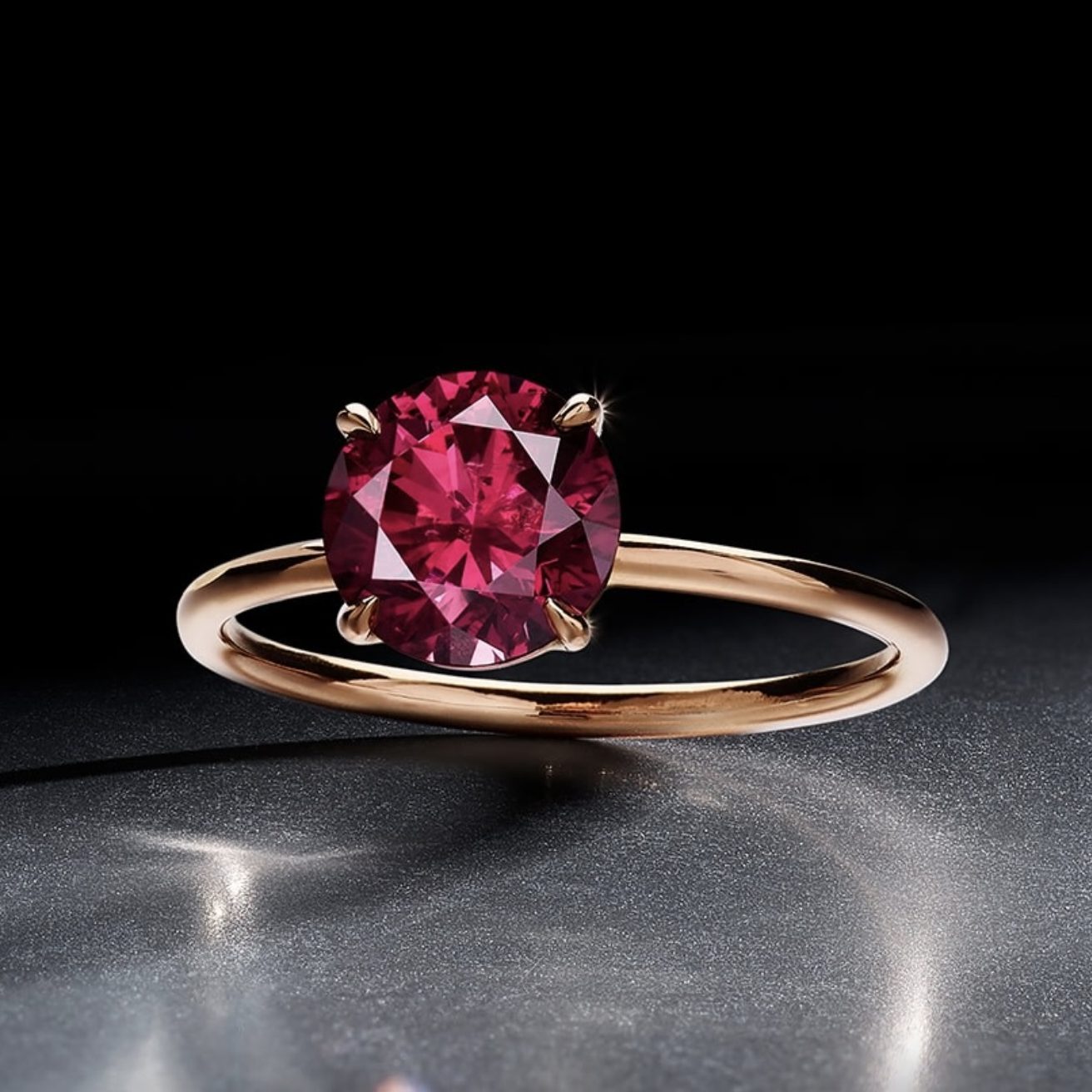
‘The Argyle Phoenix,’ Fancy Red diamond ring (Courtesy of Phillips)
The Red Diamond Is the Rarest of All
What makes a diamond red? Even scientists don’t have the full answer. Meet the impossibly rare stones making history and commanding millions.
There are rare diamonds, and then there are red diamonds. Fewer than 30 pure red diamonds are believed to exist, making them so elusive that even scientists haven’t fully unraveled the mystery of their color.
For perspective, according to the GIA, only 0.4% of all diamonds graded over a 20-year period have been fancy colors. Red is the rarest of them all, a geological phenomenon that continues to challenge what we know about diamonds.

Among all those fancy color diamonds, red is the rarest color.
How Do Red Diamonds Get Their Color?
A diamond is a crystalline form of pure carbon formed under extreme conditions within the Earth up to three billion years ago. But what gives a diamond its color? The answer depends on the stone. Natural radiation within the Earth can cause green diamonds; boron can cause blue diamonds. Red, however, is another story entirely.
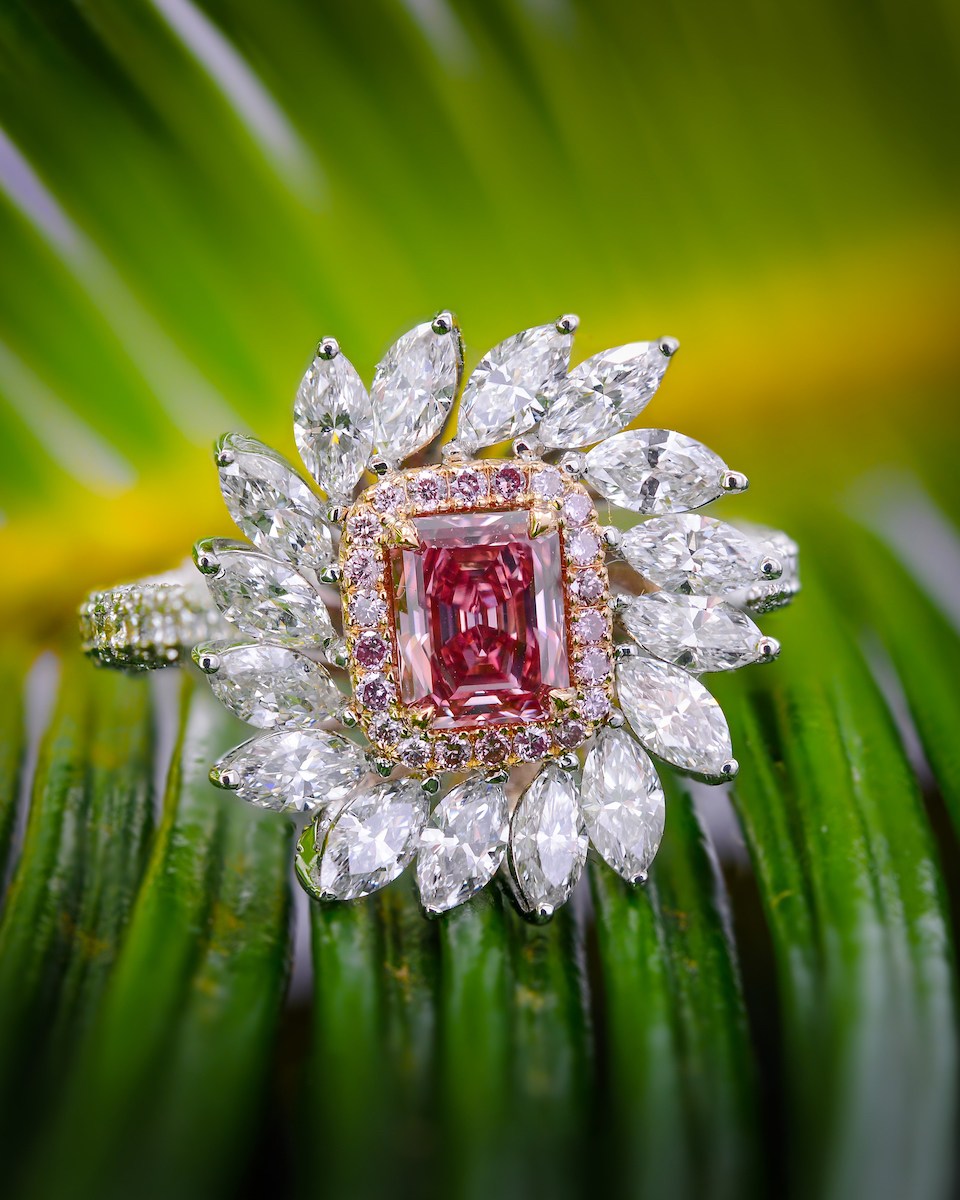
Scientists believe red diamonds result from an extreme version of crystal lattice distortion, the same phenomenon responsible for pink diamonds. Deep within the Earth, extraordinary heat and pressure can alter the arrangement of carbon atoms after a diamond has already formed. In the most extreme cases, those changes produce a red hue.
The theory is compelling, but there’s a catch. Red diamonds are so exceptionally rare that scientists have had few opportunities to study the phenomenon in depth. Even now, questions remain about exactly how nature creates this extraordinary color.
Why Red Diamonds Don’t Play by the Rules

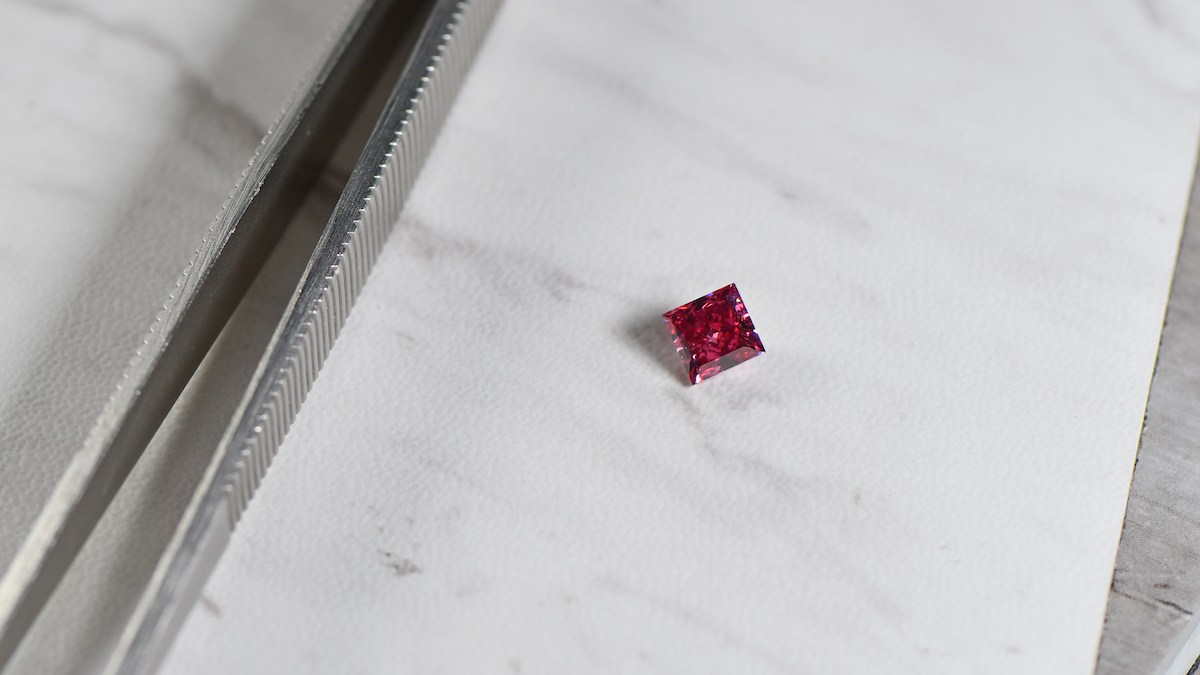
Red diamonds have their own set of rules, even when it comes to how they’re graded. Like other fancy color diamonds, they can appear in one pure color, Fancy Red, or with secondary hues, including purplish, brownish, and orangey. A Fancy Orangy Red diamond, for example, has red as its dominant color with a hint of orange. But here’s where things get interesting: red cannot be a secondary color.
Most colored diamonds also come in several intensity levels, such as intense, vivid, or light. Examples include Fancy Vivid Pink or Fancy Light Yellow. Red diamonds? Just one intensity classification: Fancy Red. It’s another distinction that makes these stones particularly exceptional.
And their value reflects that rarity. Since so few exist, red diamonds, even those with modifying colors, rarely come to market. When they do, prices can soar past $1 million per carat. In 2022, Heritage Auctions sold a 1.21-carat Fancy Orangy Red diamond for over $1.2 million per carat. That’s an astonishing price for a stone weighing barely more than one carat, particularly one with a secondary hue. Their scarcity and remarkable auction history have made red diamonds especially compelling to collectors and investors.
Think red diamonds are destined to remain behind closed doors? Not quite. The 5.03-carat round brilliant De Young Red is the third-largest diamond of its kind in existence and sits in the permanent collection of the Smithsonian Museum in Washington, D.C. For anyone curious to see one of nature’s rarest creations up close, it makes a compelling addition to a D.C. itinerary.
Meet the 5.11-Carat Moussaieff Red

Five carats might not sound particularly large when colorless diamonds can exceed 100. But for a red diamond, it’s extraordinary. The 5.11-carat Moussaieff Red is the largest known Fancy Red diamond. Discovered in the 1990s in Brazil’s Minas Gerais region, a source of colored diamonds for hundreds of years, the stone originally weighed 13.90 carats in its rough form.
After negotiations with the man who discovered the diamond, legendary diamond cutter William Goldberg eventually purchased it. What followed was a painstaking process of study and planning before Goldberg transformed the rough into the 5.11-carat triangular brilliant cut we know today. The result made diamond history.
In 2001, Goldberg sold the diamond to London jeweler Shlomo Moussaieff, after whom it is named. The reported sale price at the time was $8 million, an extraordinary sum for a stone weighing just over five carats. The Moussaieff Red remains in the hands of Moussaieff Jewelers and has made several public appearances, including the famous “Splendor of Diamonds” exhibition at the Smithsonian in 2003.
How the Rising Sun Found Its Setting Sun
Finding one exceptionally rare diamond is remarkable. Finding another that looks almost exactly like it? That’s another level of improbable.
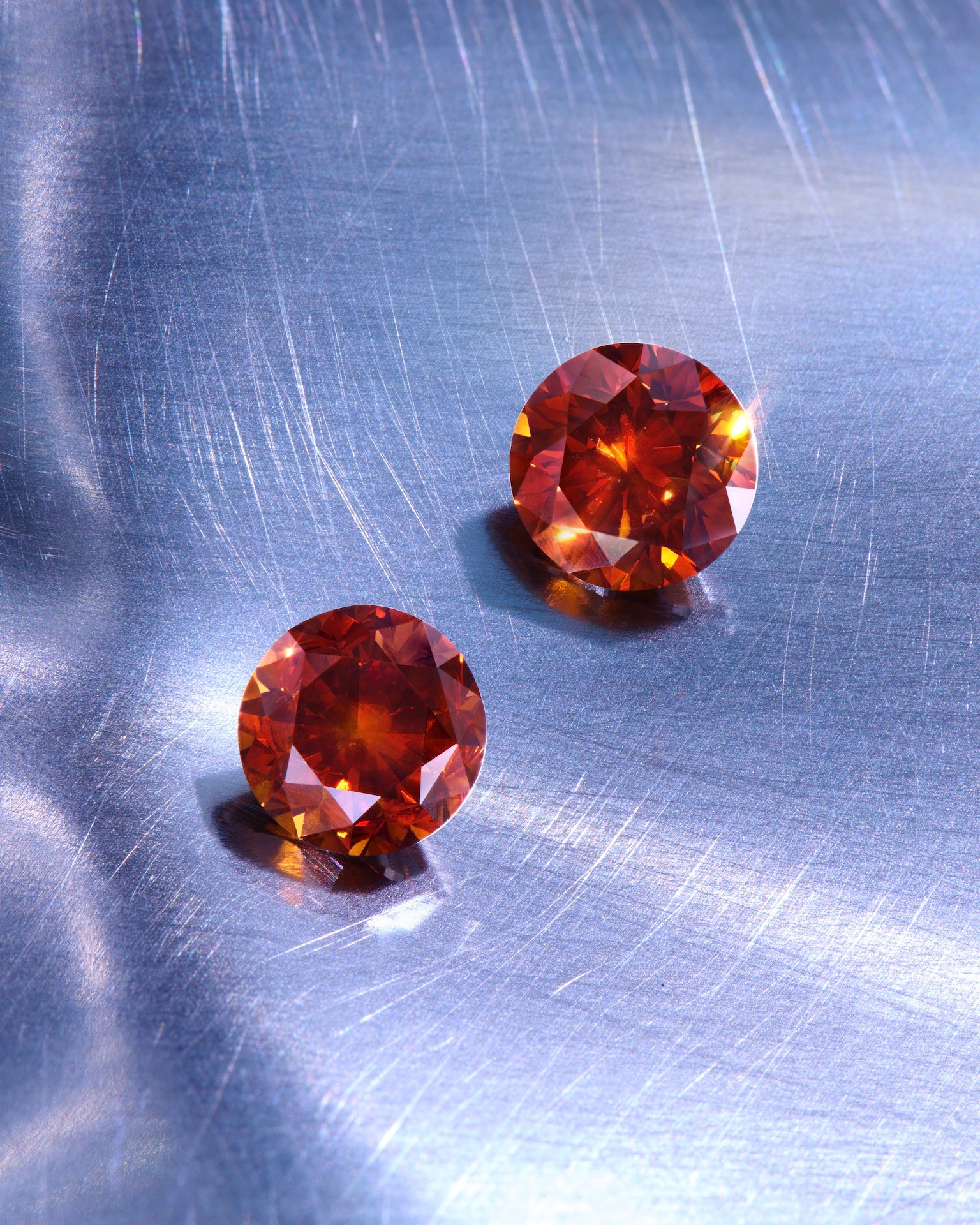
When diamond collector Kushal Sacheti came across an extraordinary red-orange diamond, there was an unexpected twist: he already owned its near-perfect match. Now known as The Rising Sun and The Setting Sun, the pair weighs 1.49 and 1.52 carats, respectively, and represents an almost unbelievable coincidence in the world of colored diamonds.
The Gemological Institute of America’s (GIA) color designations, Fancy Reddish Orange for The Rising Sun and Fancy Brownish Orangy Red for The Setting Sun, hardly capture what makes the pairing so striking. Side by side, their fiery hues are remarkably similar, evoking the warm glow of sunrise and sunset.
Gemologist Tom Gelb explains, “To have a matched pair like this beggars belief and seems almost impossibly lucky.” The Rising Sun and The Setting Sun are believed to be the largest matched pair of diamonds with red coloration ever found. Finding either stone would be extraordinary. Together, they’re something else entirely.
According to Gelb, the genesis of their mesmerizing hue is up for debate. He says, “So few orangey reds have ever been discovered that I wouldn’t even hazard a guess.”
Many experts agree that the red color comes from enough heat and pressure within the Earth to create structural anomalies at the molecular level. These conditions often destroy potential red diamonds, making their survival a phenomenon. Orange, meanwhile, presents its own mystery. Gelb says orange color can have two causes. “One is due to nitrogen atoms replacing carbon atoms, and the other is still unknown. There are simply not enough of these diamonds available to study.”
Two extraordinarily rare stones. Two nearly identical colors. And a remarkable reminder that nature still has a few surprises in store.
The Argyle Phoenix Broke Records at $4.2 Million
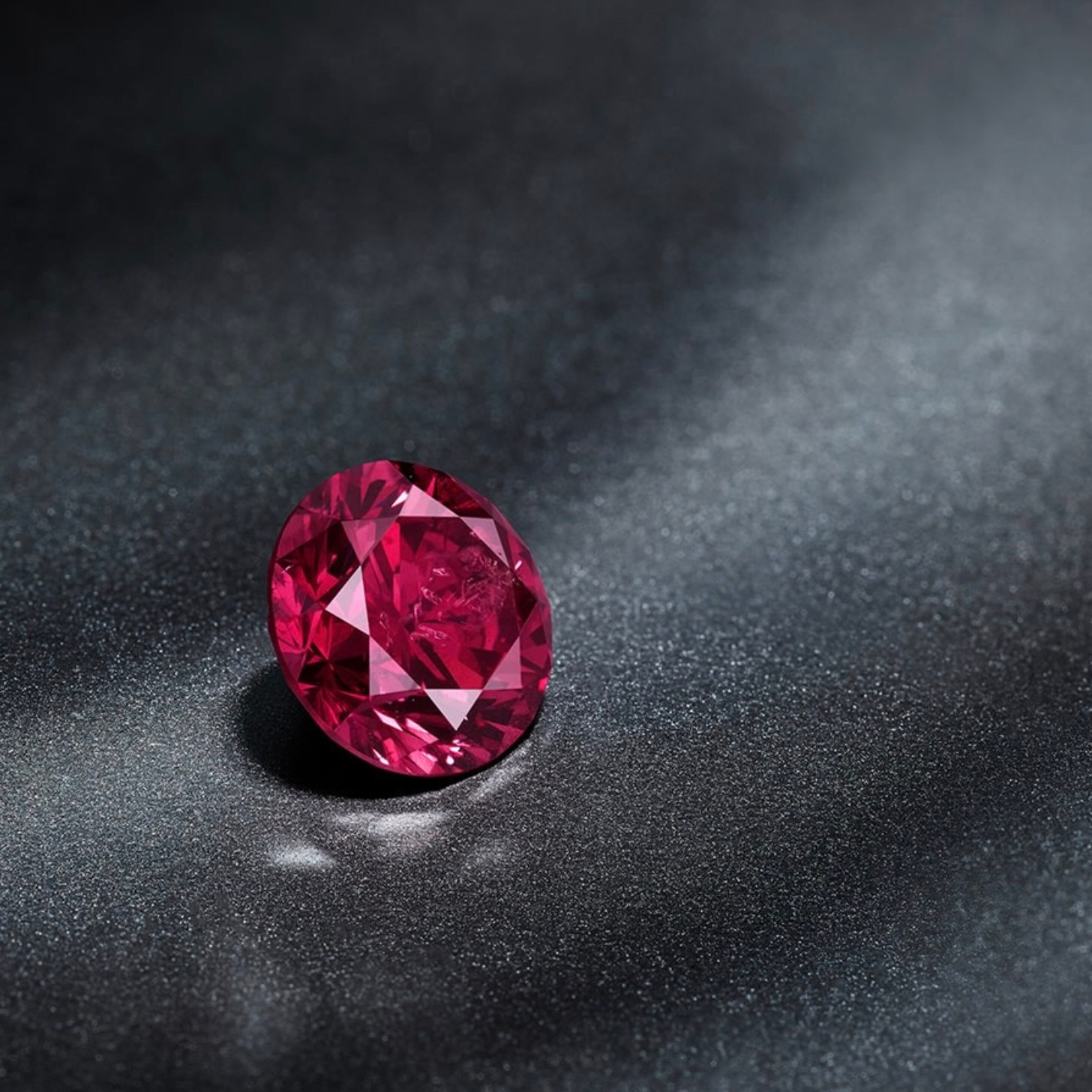
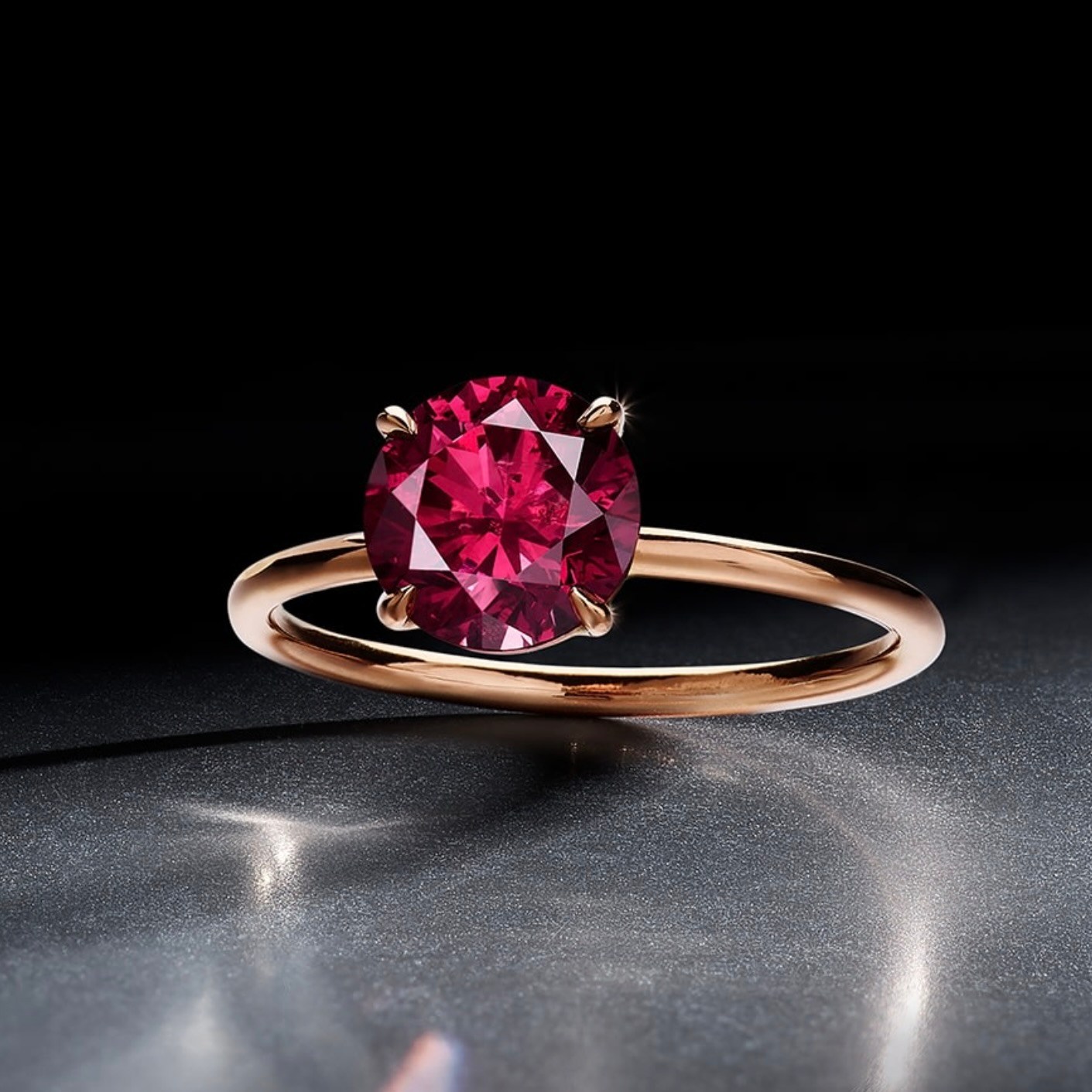
At just 1.56 carats, the Argyle Phoenix proved that extraordinary value doesn’t require extraordinary size. The round brilliant Fancy Red diamond sold for $4.2 million at Phillips in Geneva in May 2024, approximately $2.68 million per carat.
Sourced from Australia’s famed Argyle mine, the diamond caught the attention of Laurence Graff, founder of Graff Diamonds, who purchased the remarkable stone. The sale marked a major moment in auction history for red diamonds and offered another example of how exceptional rarity can command exceptional prices.
The Argyle Everglow Had Impeccable Timing

Just when Australia’s Argyle mine seemed to have revealed its most extraordinary treasures, it had another surprise in store.
Among the final red diamonds to emerge from the mine was the Argyle Everglow, a Fancy Red stone weighing just over two carats. Its defining feature wasn’t its size, but the remarkable depth and concentration of its color. Like other Argyle reds, its hue is believed to result from extreme crystal lattice distortion rather than trace elements.
Red diamonds were never a predictable discovery at Argyle. Each was a geological exception, and as the mine approached closure, every new find carried added significance. The Everglow was a fitting reminder of what made Argyle so extraordinary: even in its final years, the Earth still had something remarkable to reveal.
The Winston Red Gets Its Close-Up at the Smithsonian
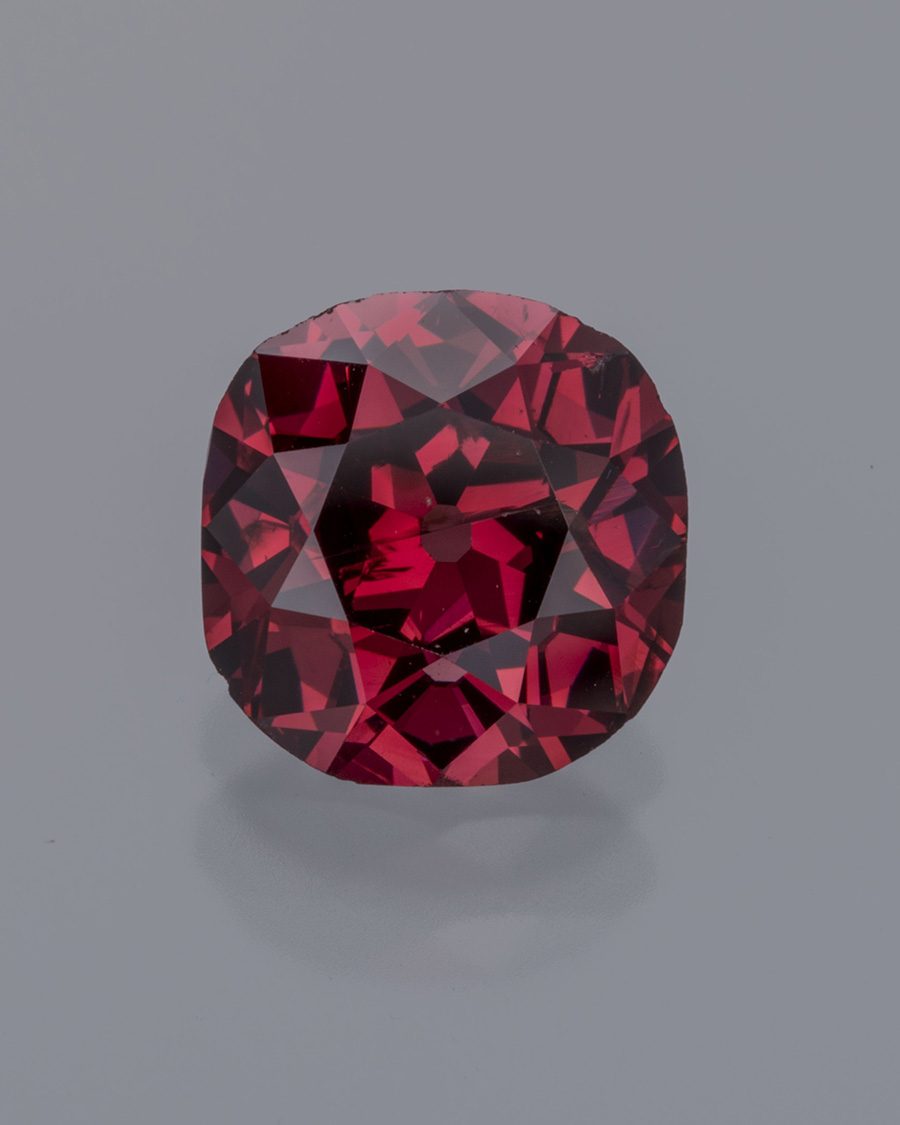
Some of the world’s rarest diamonds disappear into private collections. The Winston Red took a different path.
Weighing 5.05 carats, the Winston Red is among the largest Fancy Red diamonds known to exist. Its relatively pure red appearance makes it especially remarkable, as many red diamonds carry secondary brown or purple hues.
Donated to the Smithsonian National Museum of Natural History by Ronald Winston in 1988, the stone offers something almost as valuable as its rarity: the opportunity to study it. Most red diamonds are never examined outside private ownership, making the Winston Red an exceptional resource for scientists and gemologists.
For the rest of us, there’s another reason to appreciate it. This extraordinary diamond isn’t hidden away. It’s part of a public collection, offering a rare chance to encounter one of nature’s most elusive creations.
The Hancock Red Proved Size Isn’t Everything
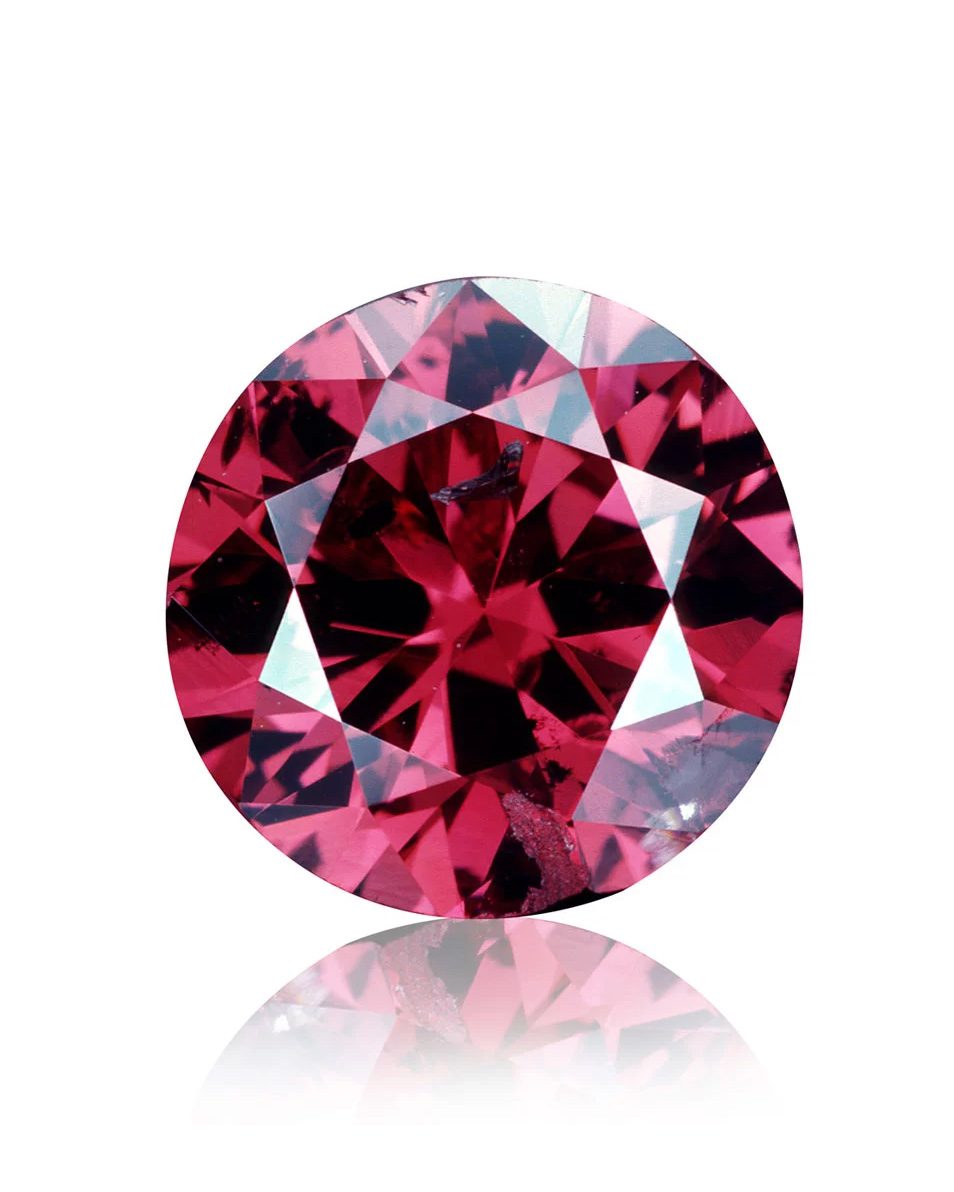
Less than one carat. Nearly $1 million. The Hancock Red challenged everything the jewelry world thought it knew about value.
Weighing just 0.95 carats, the diamond made history when it sold for more than $880,000 at auction in 1987. Its extraordinary price per carat stunned collectors and established a new benchmark for red diamonds.
At the time, few red diamonds had ever appeared publicly, and even fewer had been traded at auction. The sale established Fancy Red as an exceptionally valuable diamond color category on a per-carat basis.
Decades later, the Hancock Red remains a powerful example of what makes these stones so extraordinary. When rarity reaches this level, size is only part of the story.

Katniss Is Back—And So Are Jennifer Lawrence’s Best Diamond Moments
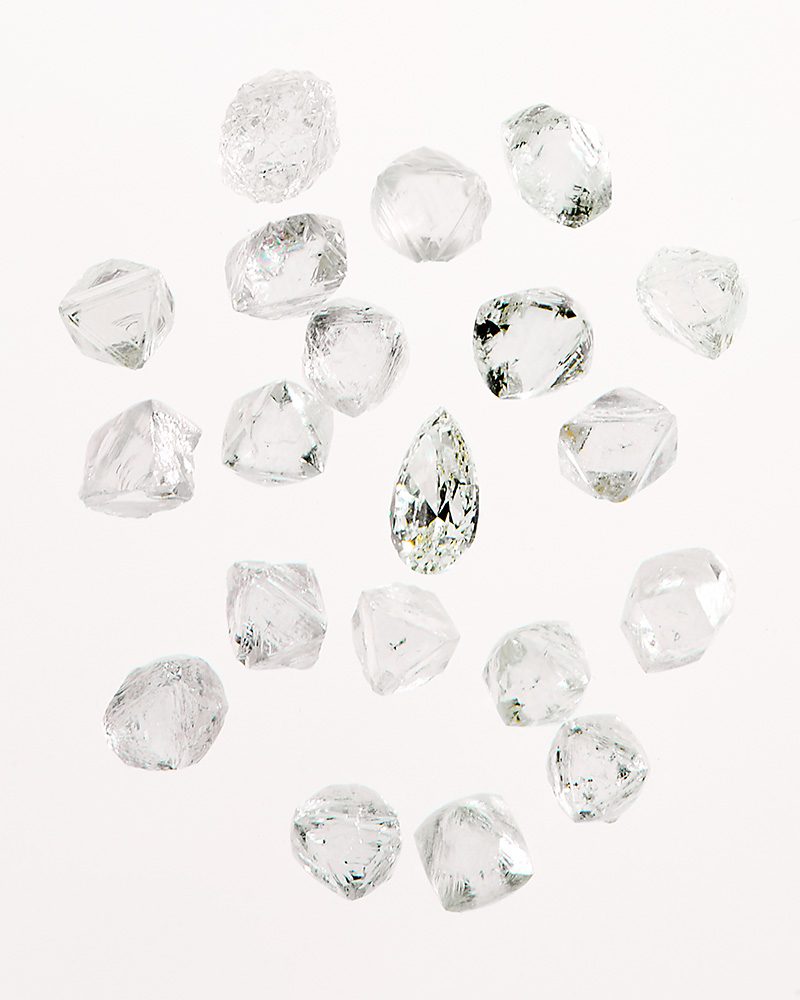
The Juicy New Era of Pear-Shaped Diamonds
Elizabeth Taylor knew it. Kylie Jenner knows it. With its seductive curves and flair for the dramatic, the pear-shaped diamond has never followed the crowd.

Lila Moss’s CFDA Look Has a 500-Year-Old Inspiration
The era that gave us early diamond cuts, symbolic jewels, and the first engagement rings is still shaping style today.
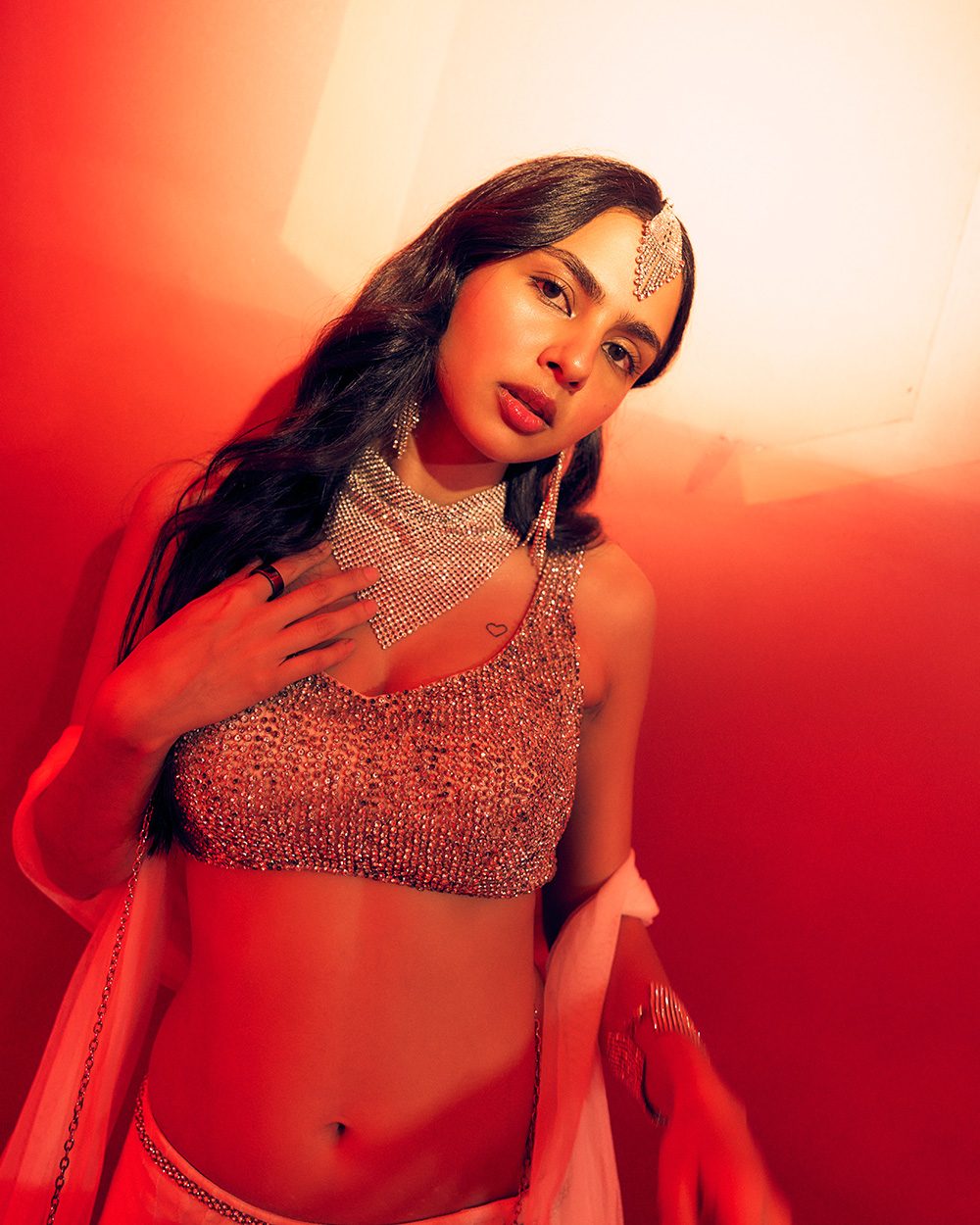
The Diwali Diamonds Too Good to Keep to Yourself
The best jewelry tells a story worth sharing. Meet five modern classics that celebrate personal style today and become treasured heirlooms tomorrow.
Get the Newsletter
Sign up for the latest diamond news, delivered directly to your inbox.