
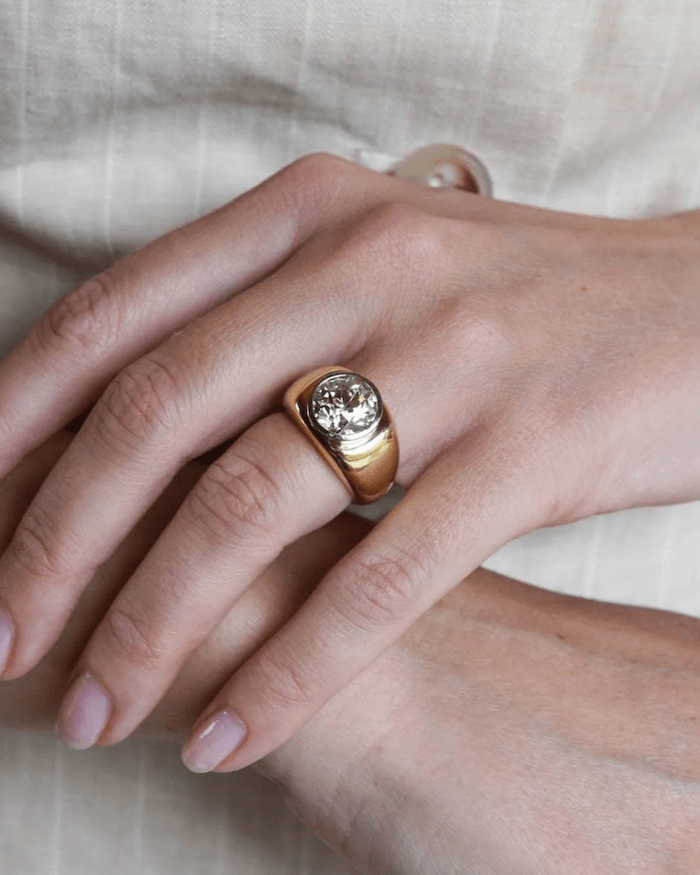
Everything you need to know about this crucial step of purchasing jewelry, straight from the experts at GIA.
The 4Cs: A Must-Know to Sell or Buy Diamonds
The 4Cs—Carat, Clarity, Color, and Cut—are the universal standard for evaluating diamonds. Whether you’re looking to buy diamonds or sell them, understanding these factors will help you maximize value.
Carat
Carat refers to the diamond’s weight rather than its physical size. A 1-carat diamond is a classic choice, but slightly smaller stones (such as 0.90 carats) can appear nearly identical while offering better value.
Clarity
Natural inclusions are common in diamonds, but most are invisible to the naked eye. Opt for diamonds in the VS1-VS2 clarity range to strike the perfect balance between quality and price.
Color
Diamonds are graded from D (colorless) to Z (light yellow or brown). Near-colorless diamonds (grades G-H) offer incredible beauty at a more affordable price.
Cut
The cut impacts a diamond’s sparkle more than any other factor. Always prioritize Excellent or Ideal cut diamonds for maximum brilliance.
How to Buy Diamonds: What to Look For
Purchasing a diamond is an exciting and meaningful investment, whether you’re selecting an engagement ring or adding to your jewelry collection. By understanding key factors like certification, pricing, and diamond quality, you can ensure you’re making a confident and informed decision.
Always Buy Certified Diamonds
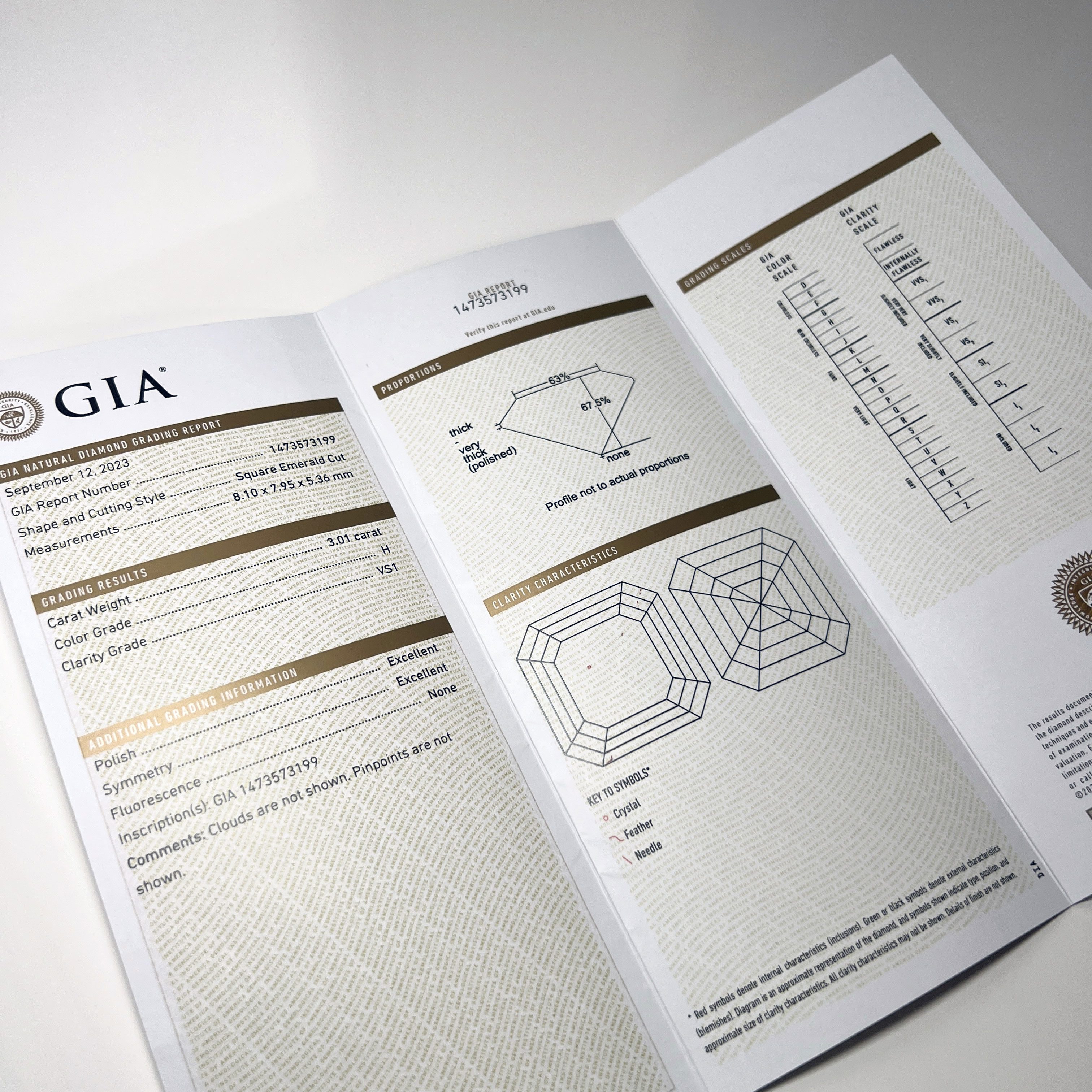
To ensure authenticity and quality, only buy diamonds certified by a reputable gemological laboratory like the Gemological Institute of America (GIA) or the American Gem Society (AGS). Certification provides peace of mind that you’re getting exactly what you’re paying for.
Choose a Reputable Jeweler
Not all jewelers are created equal. Here’s how to ensure you’re shopping with a trusted expert.
- Reputation & Reviews: Look for jewelers with stellar customer reviews and industry recognition.
- Return Policies & Warranties: A trustworthy jeweler will offer a solid return policy and warranty to protect your purchase.
- Transparency: A good jeweler will provide clear details about the diamond’s specifications and origins.
Natural vs. Lab Grown Diamonds: Know the Difference
When purchasing a diamond, it’s crucial to understand the difference between natural diamonds and laboratory grown diamonds (also called lab grown diamonds or synthetic diamonds).
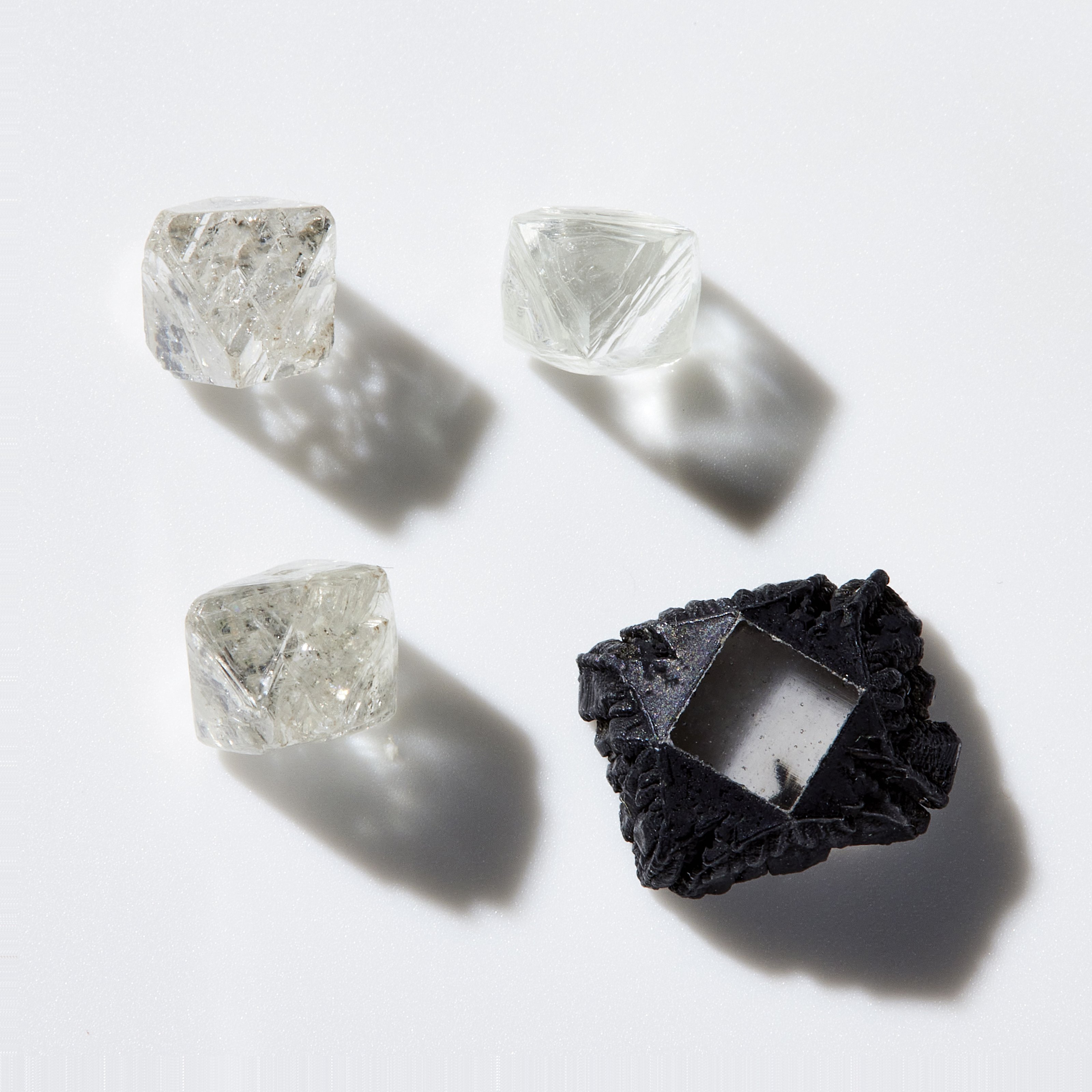
Natural diamonds are formed over billions of years deep within the Earth, making each one unique. They are rare miracles of nature, hold their value over time, and are often considered an investment.
Lab grown diamonds are mass-produced in controlled factory environments and lack the rarity of natural diamonds. While they may look similar, they don’t carry the same value as natural diamonds. The value of lab grown diamonds has decreased 80% in the last few years.
Consider Other Diamond Shapes
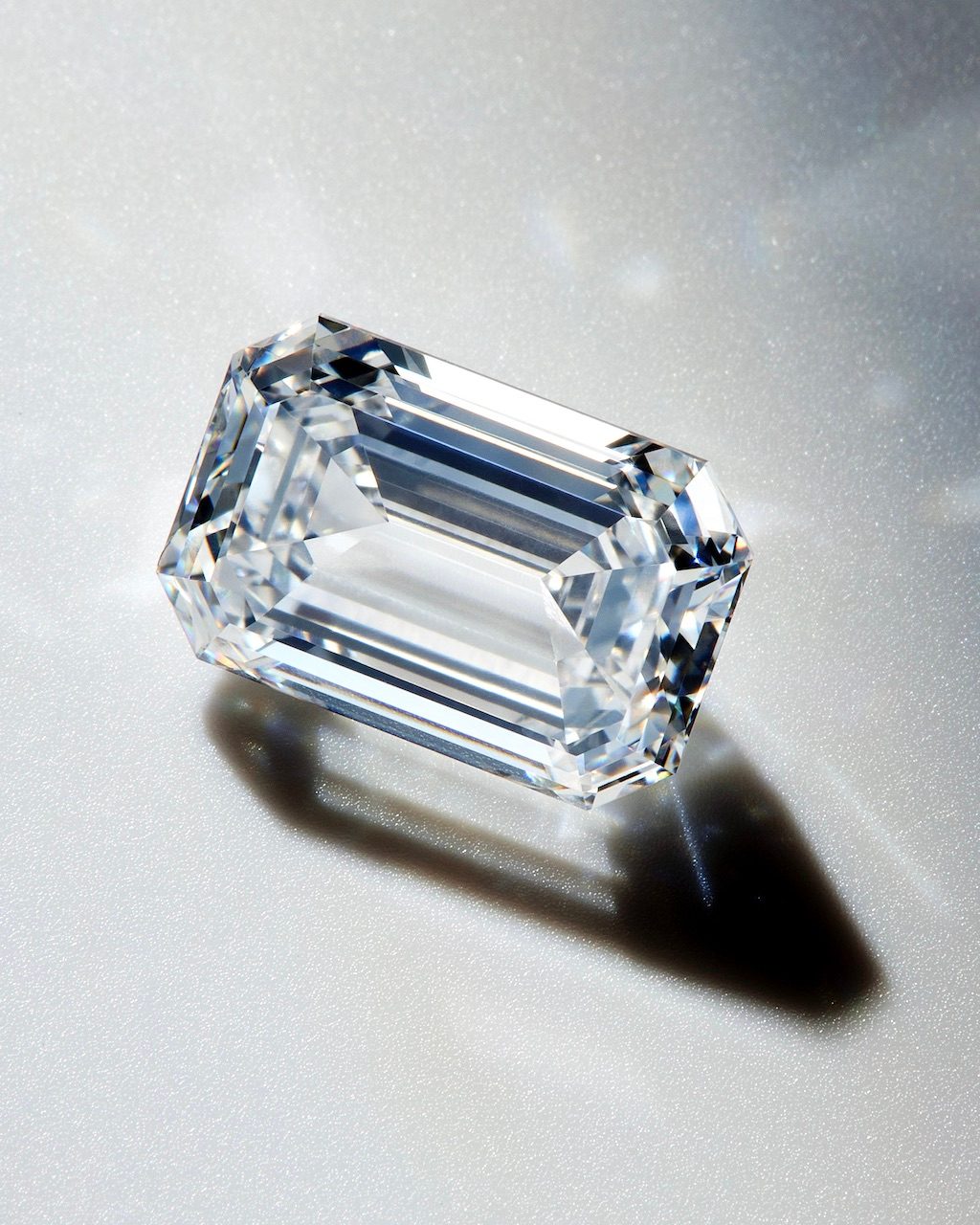
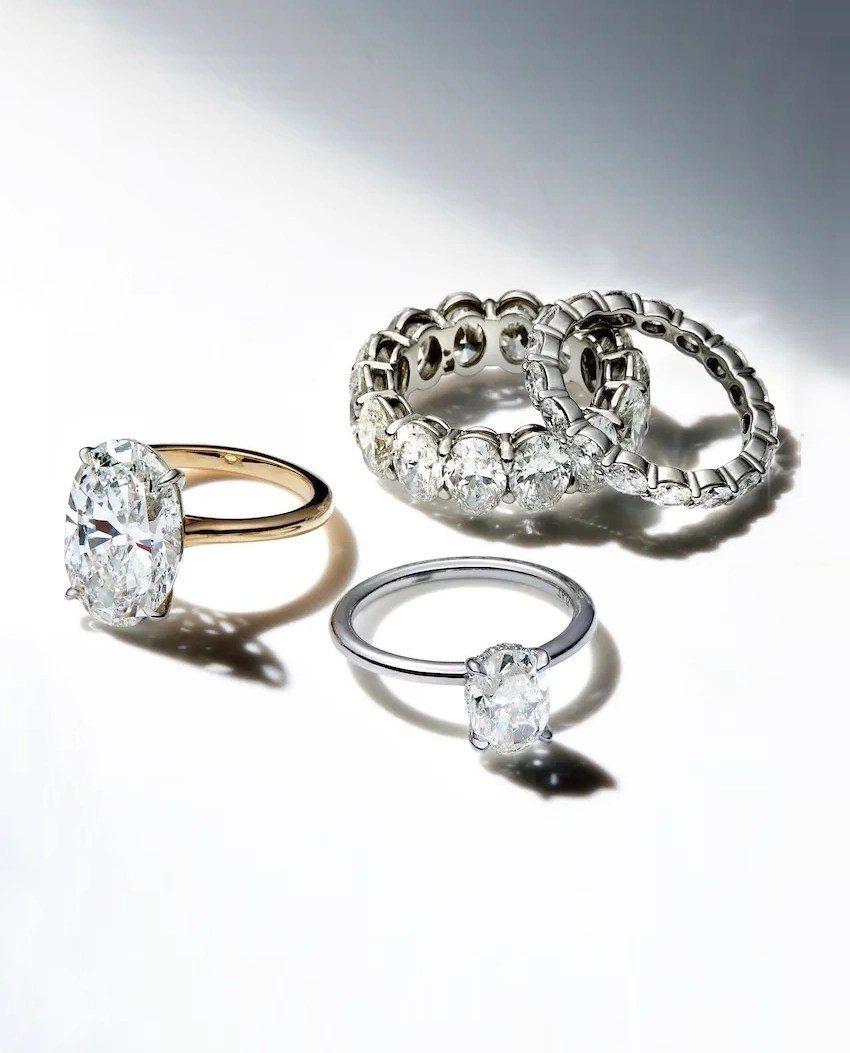
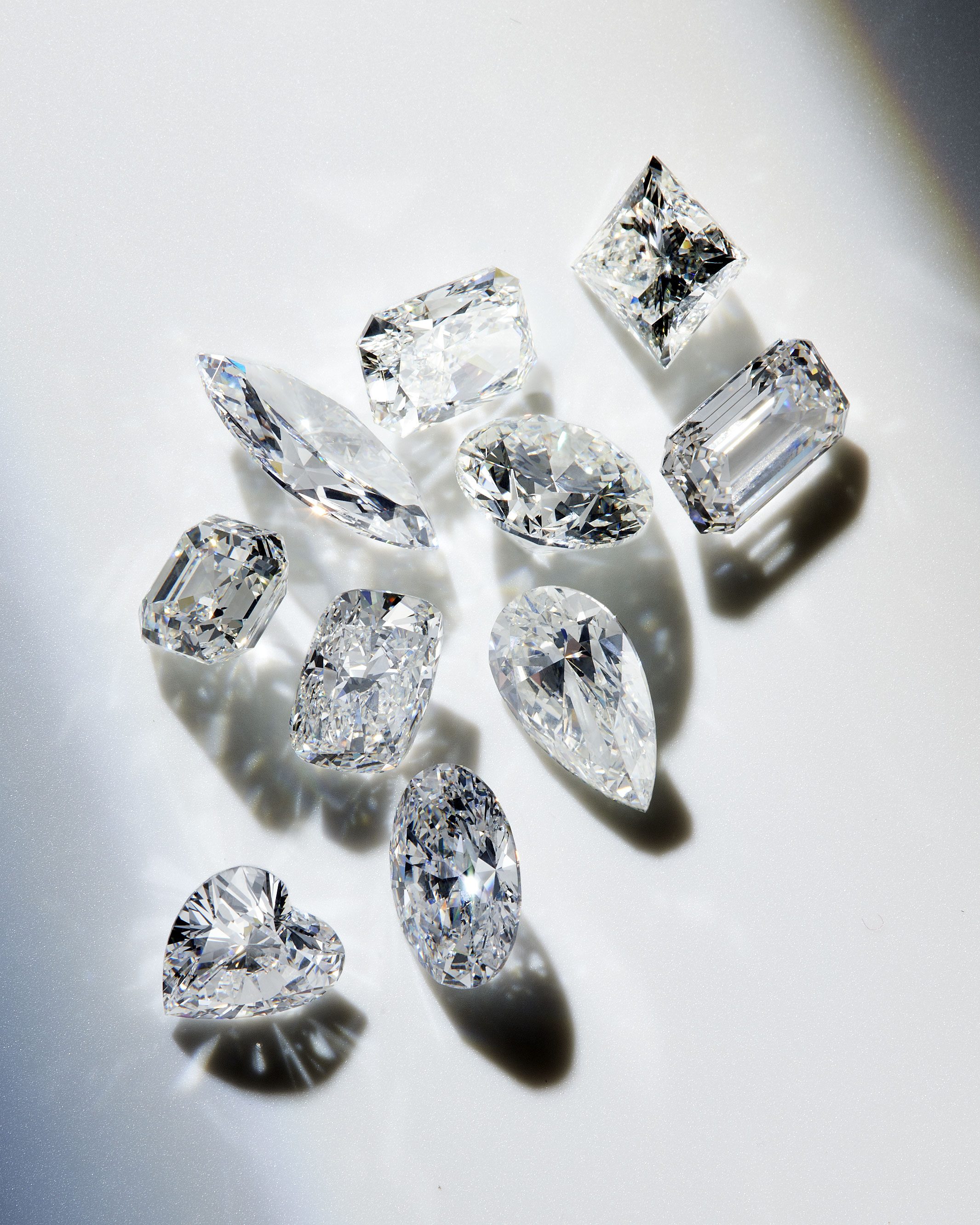
While round diamonds are the most popular, other shapes like oval, cushion, pear, or emerald cuts are just as beautiful and can be more budget-friendly. These alternative shapes often appear larger per carat and can provide a distinctive look. Choosing a less conventional shape can also help you maximize value without compromising on style.
Verify Sparkle in Different Lighting
Before finalizing a purchase, view the diamond in multiple lighting conditions—daylight, jewelry store lighting, and dim settings—to ensure it maintains its brilliance.
Ask About Diamond Fluorescence
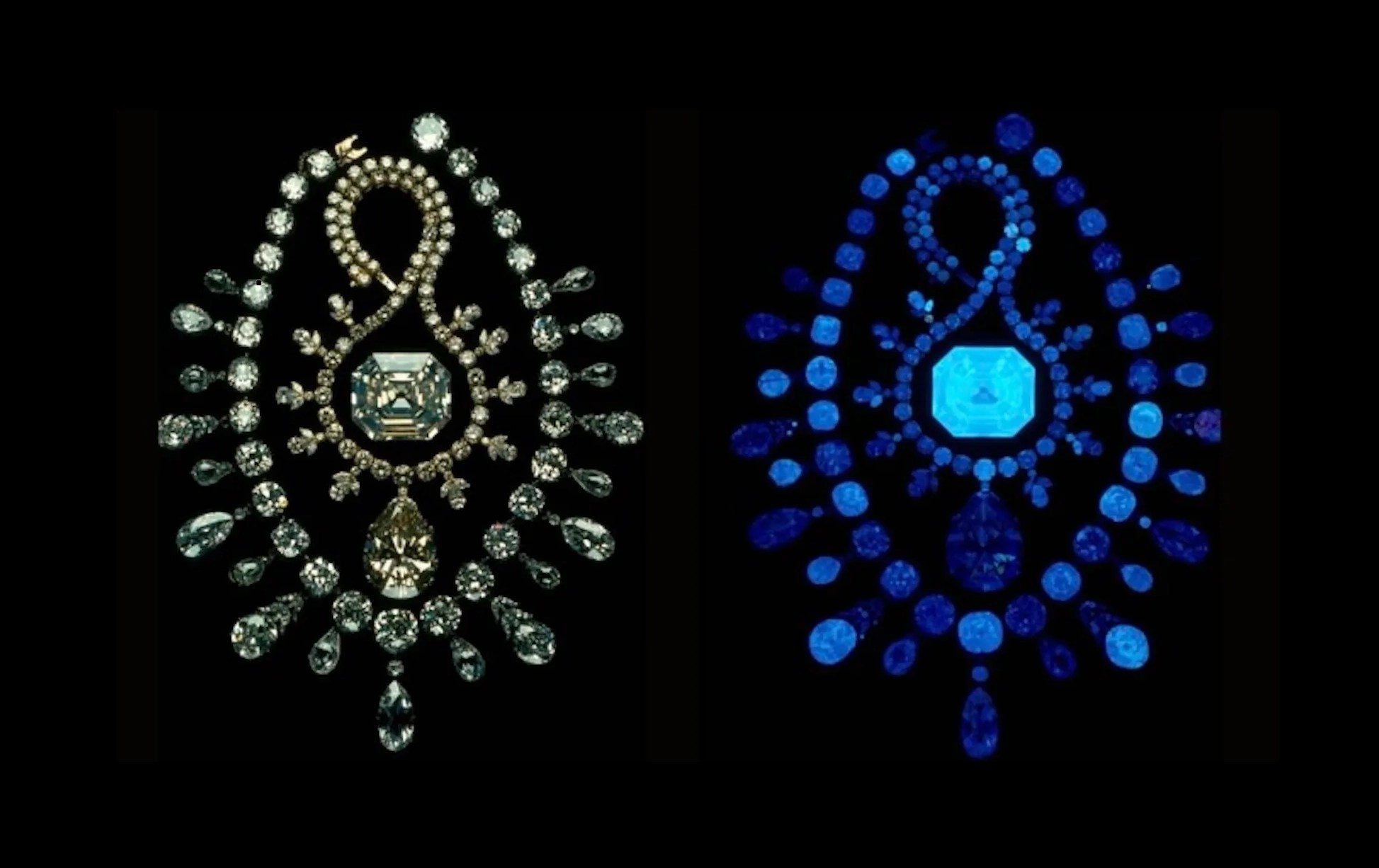
Fluorescence is a natural characteristic that makes some diamonds glow under UV light. While faint to medium fluorescence can enhance a diamond’s appearance, strong fluorescence can sometimes cause a hazy look. Ask your jeweler about fluorescence and inspect the diamond in various lighting conditions.

How to Protect Your Diamond Investment
To preserve your diamond as a cherished heirloom for future generations, taking the right protective measures is essential. From securing proper insurance to understanding return policies, these steps will help safeguard your investment and provide peace of mind.
Get Your Diamond Insured
Once you buy diamonds, safeguarding your investment with the right insurance is essential. While you can add your jewelry to a homeowner’s or renter’s insurance policy, these plans often have coverage limits and may not fully reimburse you for a high-value diamond. A specialized jewelry insurance plan is the best option for expensive pieces, as it typically offers higher coverage limits, worldwide protection, and reimbursement for full appraised value in case of loss, theft, or damage.
Understand Return & Upgrade Policies
A reputable jeweler should offer a return policy in case you change your mind. Many jewelers also provide lifetime upgrade programs, allowing you to trade in your diamond for a larger or higher-quality stone in the future.
How to Sell Diamonds: Getting the Best Price
Selling a diamond requires careful research to ensure you receive a fair and competitive price. By knowing where to sell, how to get an accurate appraisal, and what buyers look for, you can maximize your return and sell with confidence.
Understand Your Diamond’s Value
Before selling, have your diamond appraised by a certified gemologist or independent appraiser to determine its market value. Knowing the 4Cs of your diamond will also help in negotiating a fair price.
Where to Sell Diamonds
- Reputable Jewelers: Many jewelers buy pre-owned diamonds and may offer store credit or cash.
- Auction Houses: For high-value or rare diamonds, auction houses can attract serious buyers.
- Online Diamond Buyers: Some reputable online platforms specialize in purchasing diamonds and offer competitive prices.
- Pawnshops & Local Dealers: While convenient, these options may offer lower prices compared to specialized diamond buyers.
Get Multiple Offers
Always obtain multiple offers before finalizing a sale. Prices can vary significantly depending on the buyer’s evaluation and demand for your particular diamond.
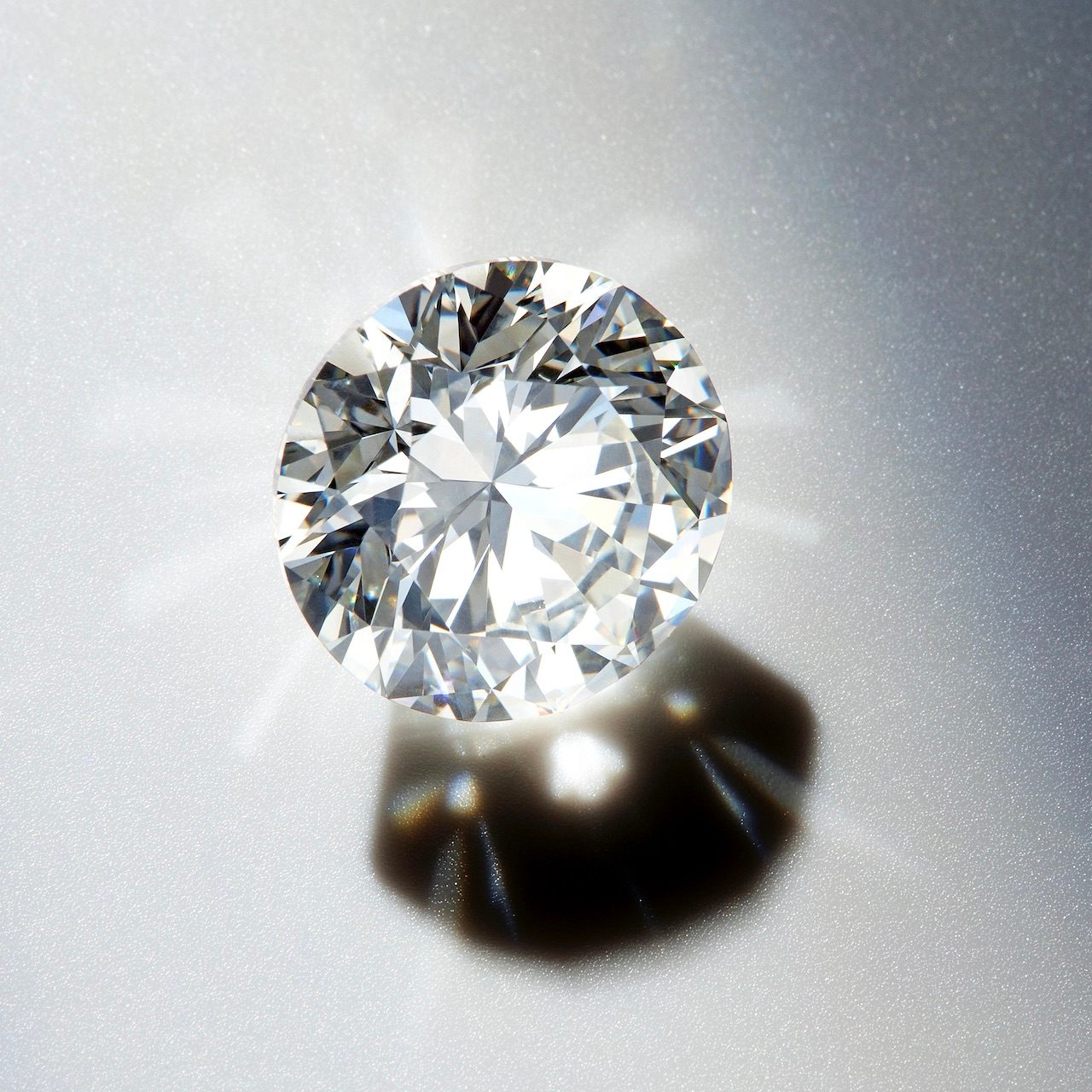
Maximizing Value When Buying and Selling Diamonds
By researching market prices and negotiating wisely, you can secure the best possible deal whether you’re purchasing or selling a diamond. Jewelers, especially those in competitive markets, may offer discounts or incentives, so don’t be afraid to ask about price adjustments.
- Compare Prices: Check diamond prices at multiple retailers and online platforms.
- Understand Pricing Trends: Prices often jump at round carat weights (e.g., 1.00 carat), so consider buying just under (e.g., 0.95 carat) to save money.
- Negotiate: Many jewelers are open to negotiations, especially for higher-priced diamonds.
Buying and selling diamonds is both an art and a science. Whether you’re searching for the perfect diamond to mark a milestone or selling one that no longer fits your lifestyle, understanding key factors like certification, pricing, and market trends ensures you get the best deal. By asking the right questions, choosing a trusted jeweler or buyer, and negotiating smartly, you can confidently navigate the diamond market.
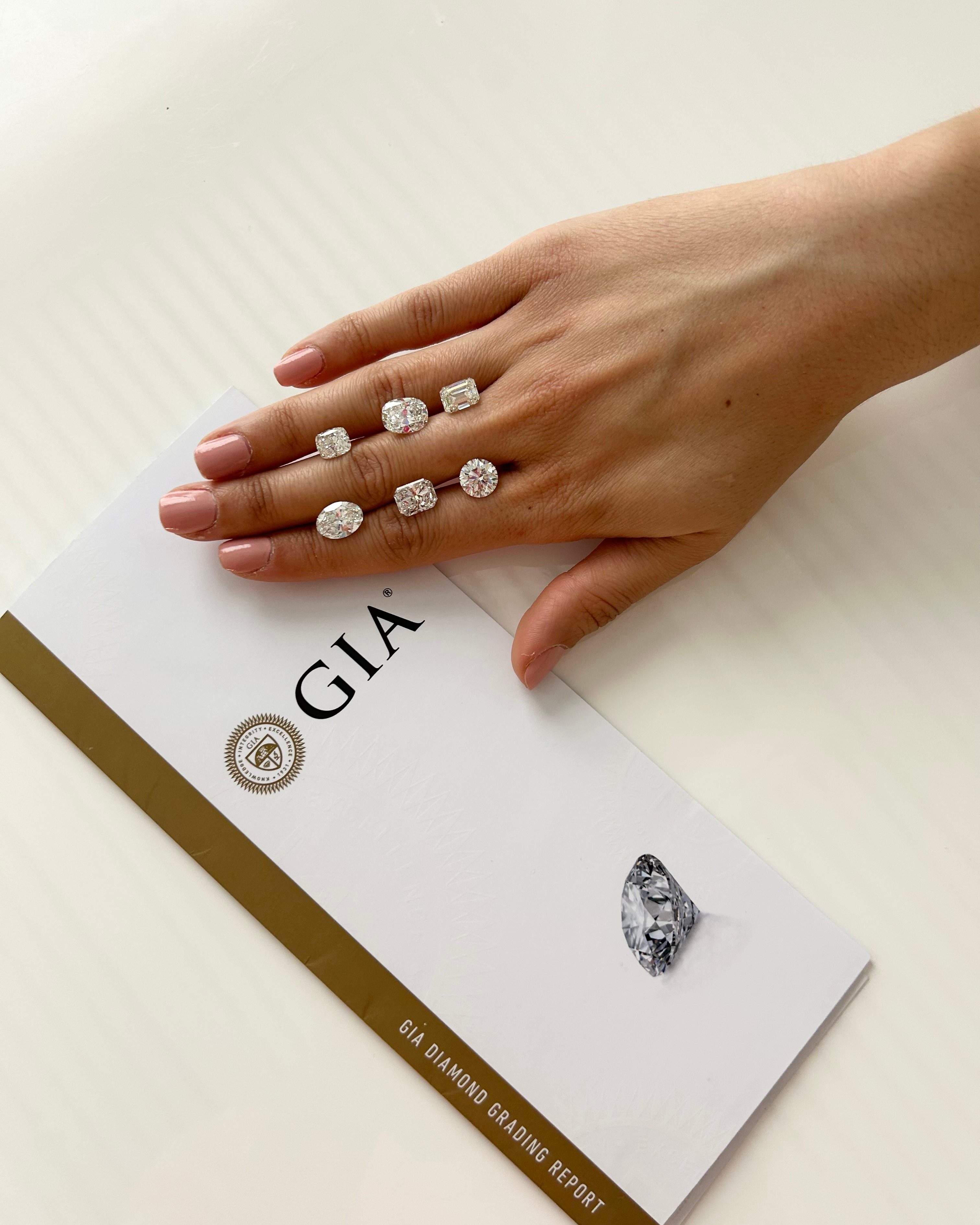
Why a GIA Diamond Grading Report is a Must-Have
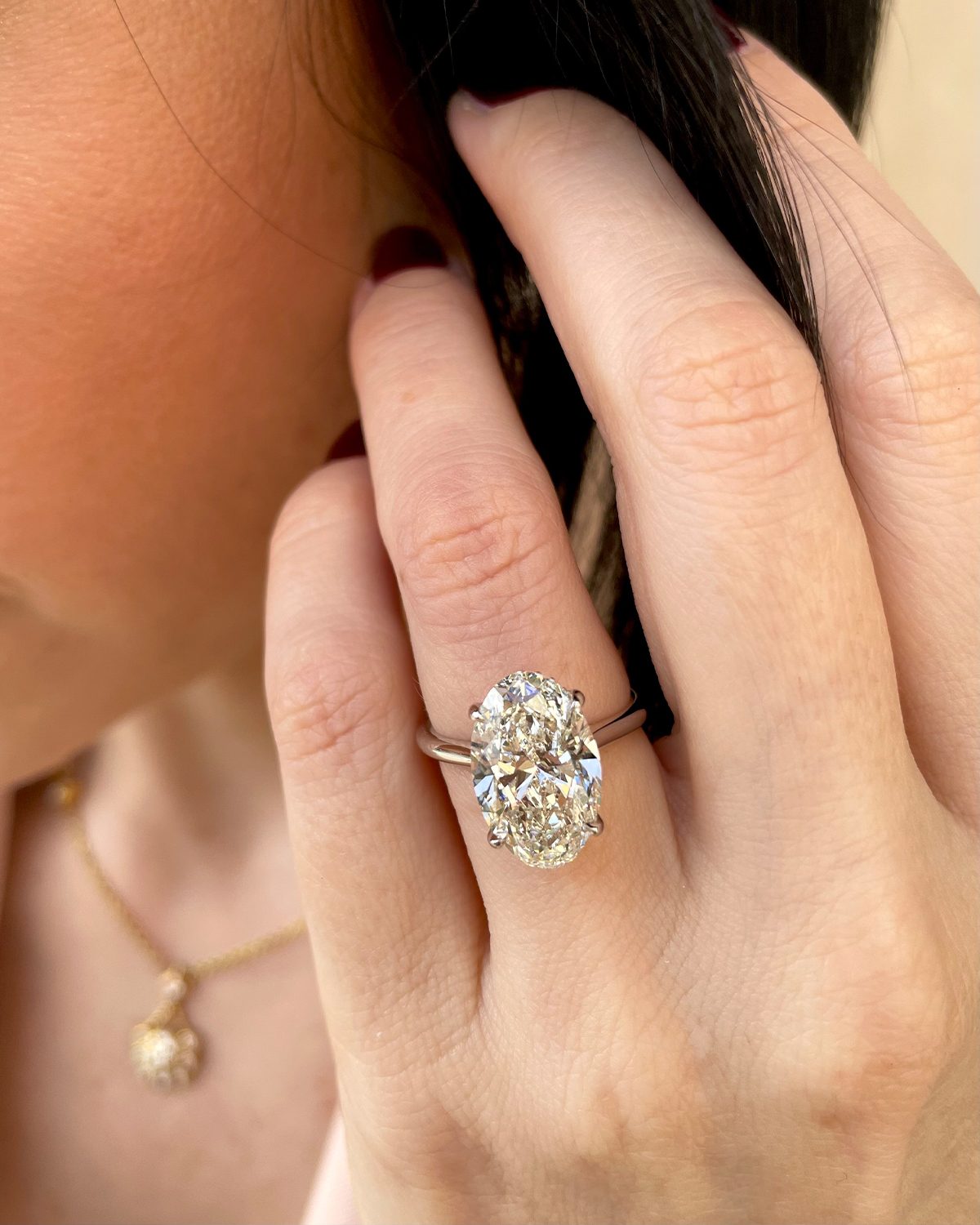
Everything You Need to Know About Getting a Diamond Upgrade From the Pros
These retailers will give you a full credit for your natural diamond towards the purchase of a diamond upgrade.
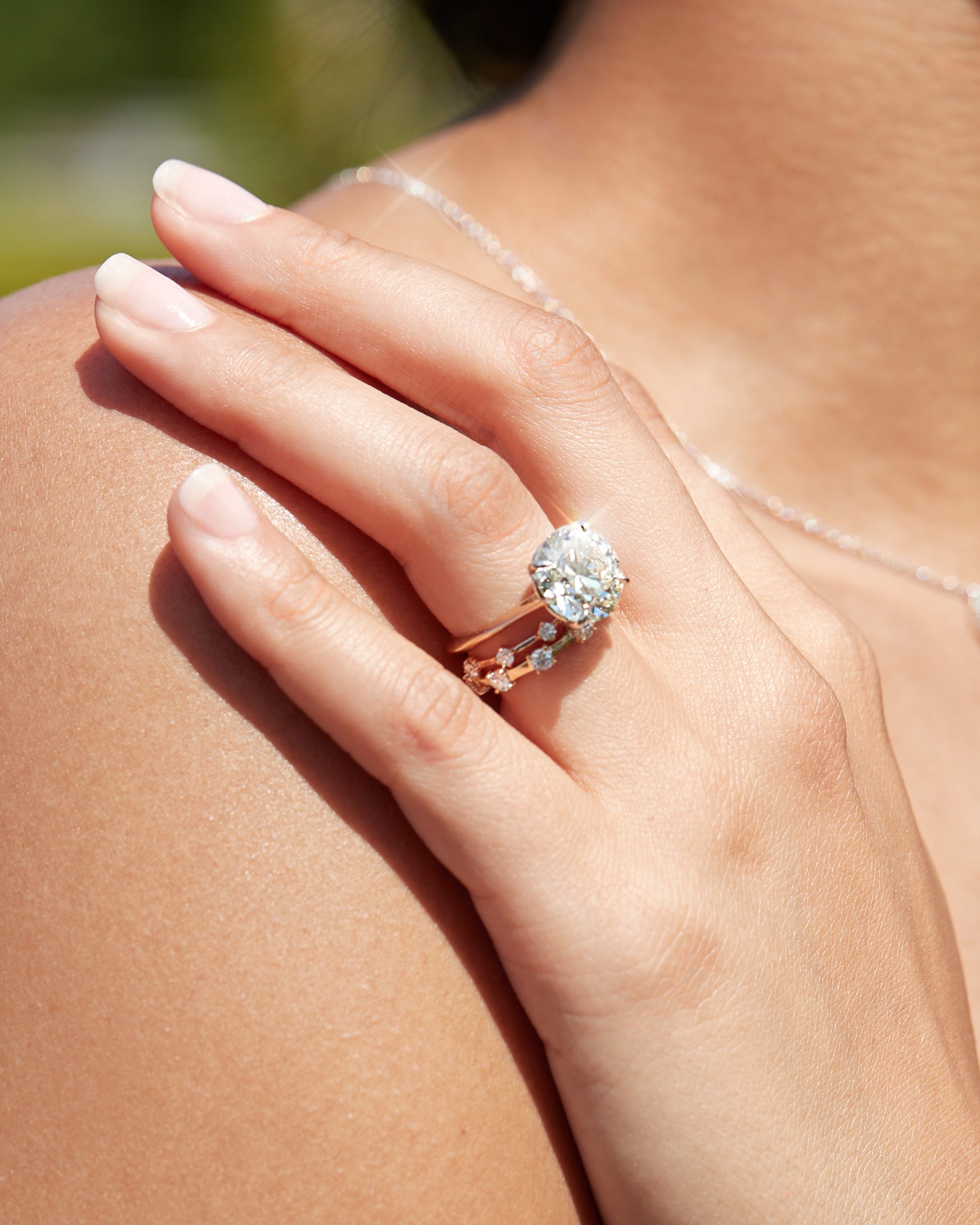
A Guide to Everything You Need to Know About Diamond Jewelry Insurance
You may think your home insurance has you covered, but you may be wrong.
The 5 Cs of Diamonds (Yes, 5): The Diamond Detail You Don’t Want to Miss
Savvy shoppers knows: The perfect engagement ring begins with the 5 Cs. Get to know the five factors that define a diamond’s quality.