Two stones, one extraordinary legacy. From Napoléon and Joséphine to today's A-list couples, the French design makes a compelling case for doubling up.
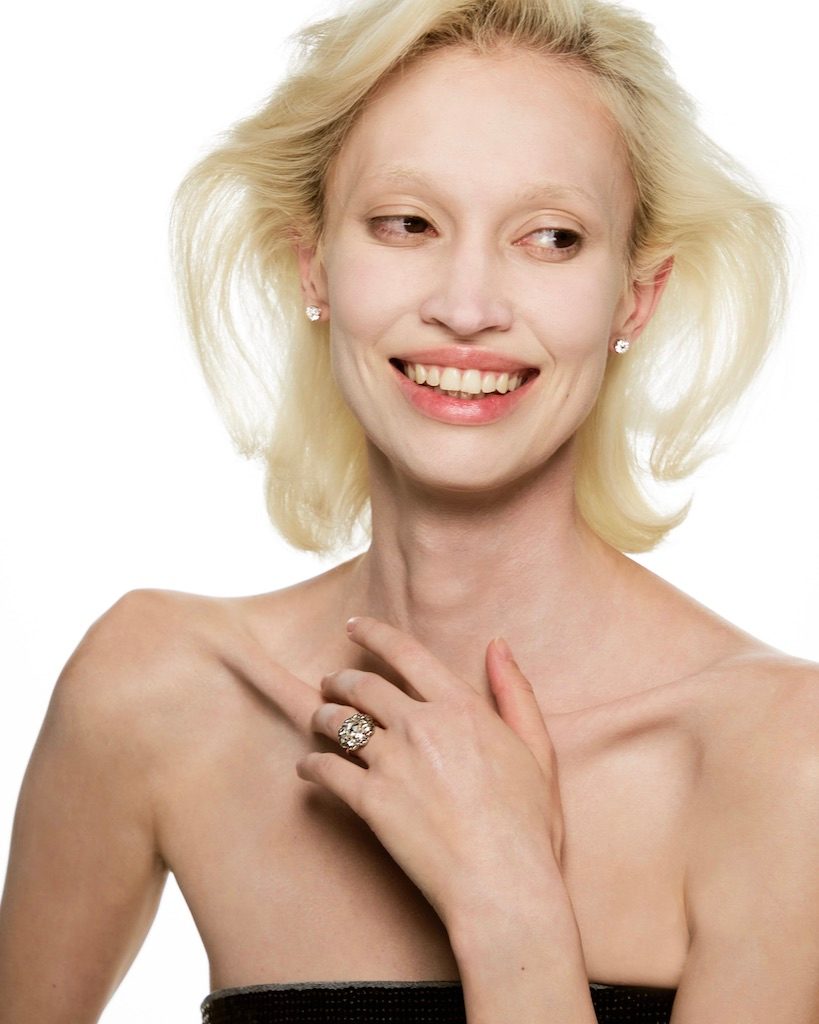
(Photographed by Mark Lim for the Diamond Collective)
10 Rules for Buying Vintage Diamonds
TikTok and Instagram can start the hunt. But if you’re buying vintage diamonds, an old mine-cut diamond, an antique ring, or a pre-owned designer piece, here’s how to find the good stuff.
Maybe an Old Mine-cut diamond flashes across TikTok or a playful gold-and-diamond charm bracelet appears in your Instagram feed. Or maybe you spot an antique engagement ring that doesn’t like anything your friends are wearing.
One click becomes 10. Before long, you know the difference between an Old European cut and an Old Mine cut; you’re researching Victorian jewelry, and you’re DMing a dealer about a diamond ring you didn’t know existed an hour ago.
Welcome to the vintage diamond hunt. For new collectors, buying vintage diamonds and other antique and previously owned jewelry can offer a rare combination of value, style, and individuality. You can find everything from classic diamond studs and mid-century pinky rings to Art Deco bracelets, Victorian lockets, and wonderfully imperfect antique-cut diamonds. And there are plenty of pieces around or below $3,000.
If you’re after a heritage jewelry house or designer name, shopping pre-owned can also give you the chance to get the look for less than buying new. But finding a diamond on TikTok and knowing whether you should actually buy it are two different things.
So how should you shop? Five vintage jewelry sellers share what younger buyers should know about finding—and buying—vintage diamonds.
1. Use TikTok and Instagram to Find Diamonds—Not to Judge Them
Social media is your virtual jewelry case. TikTok and Instagram can introduce you to dealers, eras, diamond cuts, and pieces you might never encounter at traditional retail. Sometimes you might even buy directly through a DM.
But social should be the beginning of your research, not the end. When you spot a piece you love, do your homework. Sarah Farid, founder of LUXXOR Vintage, says a seller’s website should give you the details you need to buy with confidence: the era, materials, measurements, condition, and diamond information, along with provenance when available and plenty of photographs.
If you can’t find those details, ask for them. Farid sources accessible diamond jewelry from around the world, with recent finds ranging from a three-stone Edwardian diamond set on an 18-karat gold and platinum band for $1,800 to a Victorian gold locket with old mine-cut diamonds for $3,500.
Her advice reflects a bigger shift in how younger consumers are shopping. “Young people want jewelry that feels personal rather than trendy,” Farid says.
2. Learn Your Old Mine Cuts from Old European Cuts
You don’t need a gemology degree to buy a vintage diamond. But you should learn some vocabulary before you spend serious money.
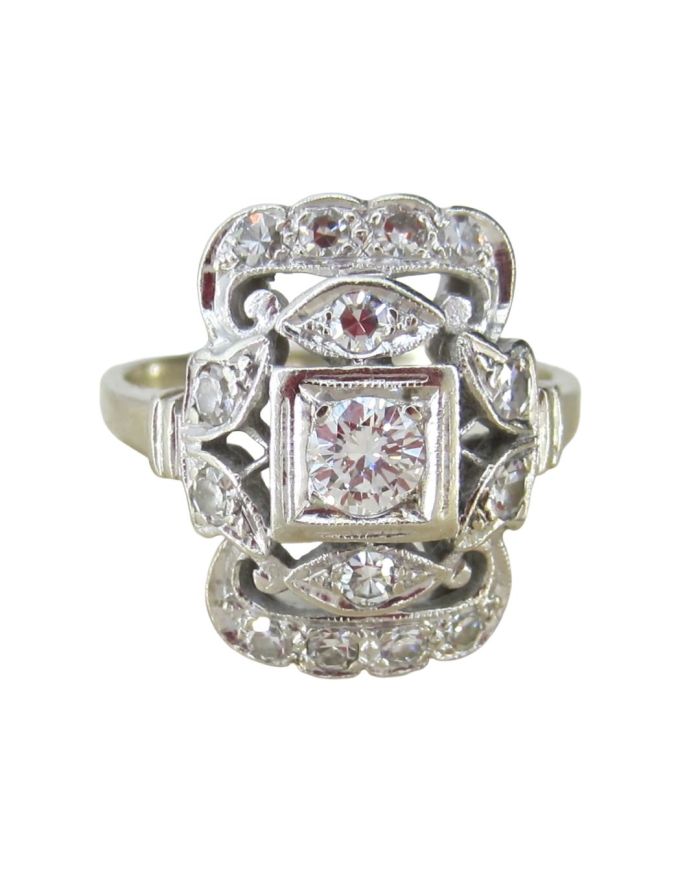
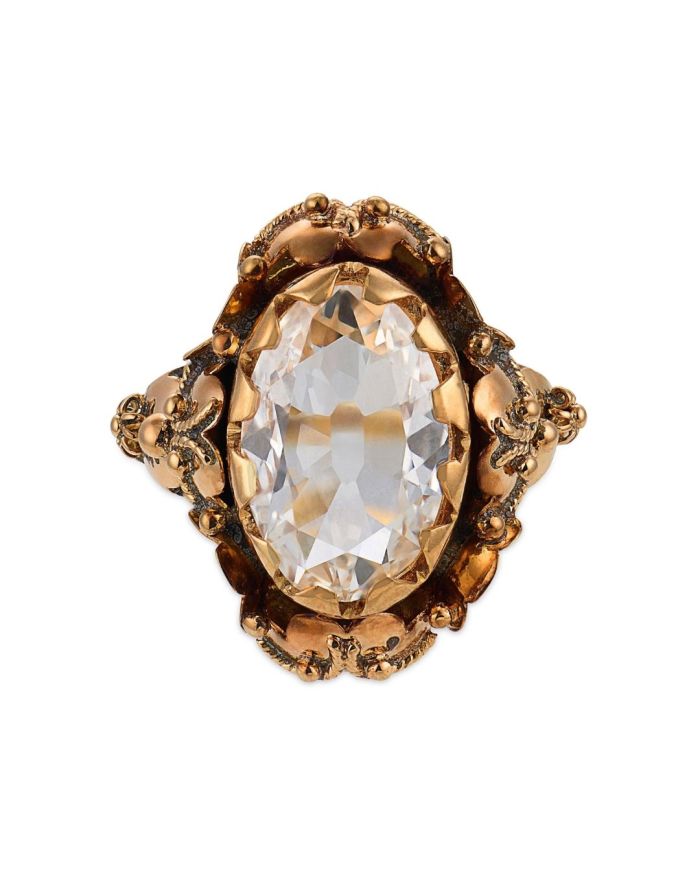
Start with the cuts. Old mine and Old European-cut diamonds look different from the highly precise stones you’re accustomed to seeing in modern jewelry. Their appeal often comes from exactly what makes them imperfect.
Farid says antique cuts have a personality that modern, perfectly symmetrical stones can lack. Old mine-cut diamonds are especially in demand, according to Wyler Weir, CEO of Trumpet & Horn. Their hand-cut facets, softer sparkle, and slightly imperfect shapes give them warmth and character.
That means you need to adjust your eye when shopping for vintage. Don’t automatically dismiss an antique diamond because it isn’t perfectly symmetrical. The irregularity may be part of what makes the stone special.
And if you love an old diamond but don’t want a completely vintage look, you don’t have to choose between the two. Trumpet & Horn pairs antique diamonds with newly designed settings, allowing you to get the character and history of an old stone in a ring that feels more contemporary.
3. Stop Thinking Every Diamond Ring Has to Be an Engagement Ring
One of the easiest ways to shop for vintage diamonds is to forget some of the old jewelry rules. A diamond ring doesn’t have to mean engagement.
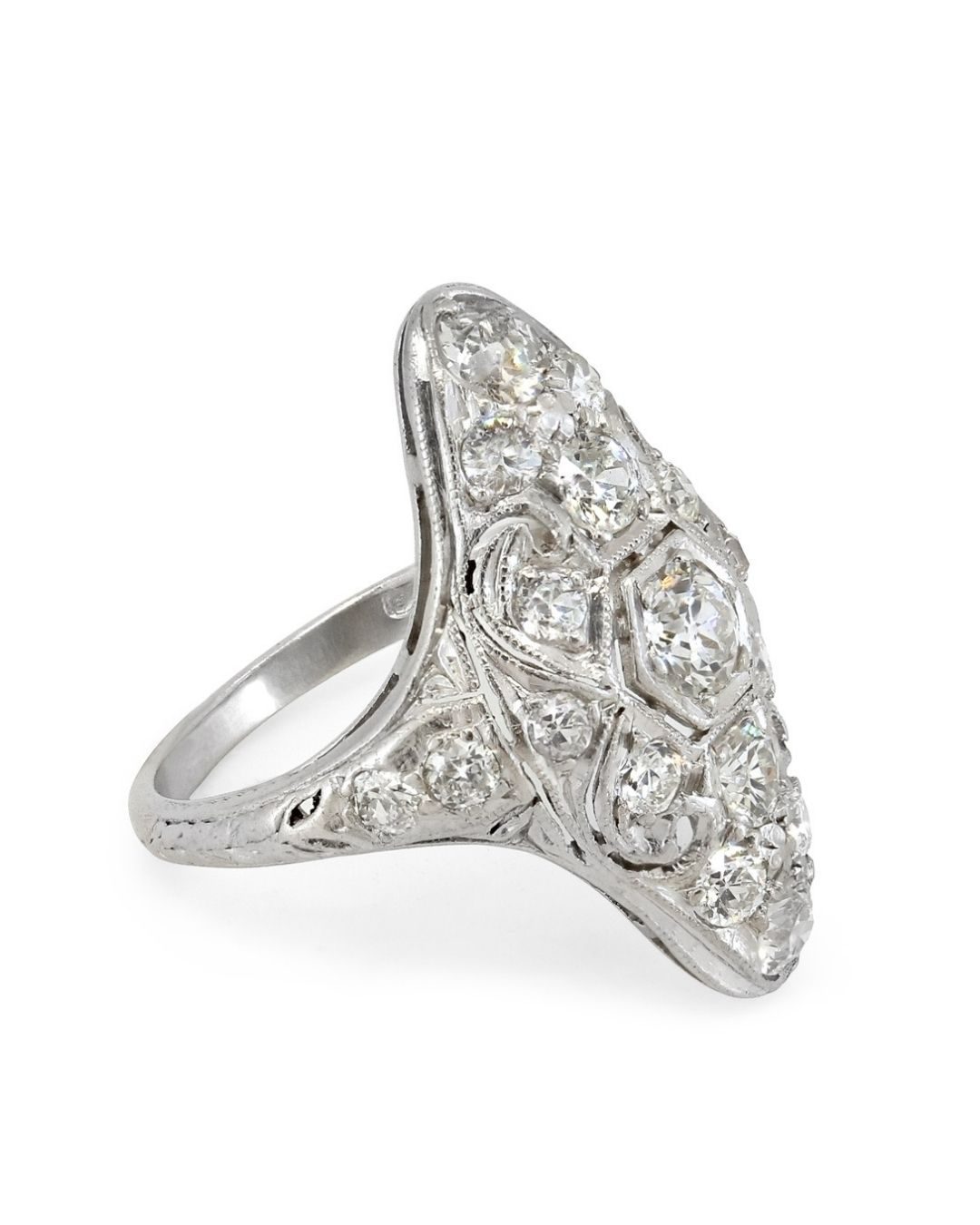
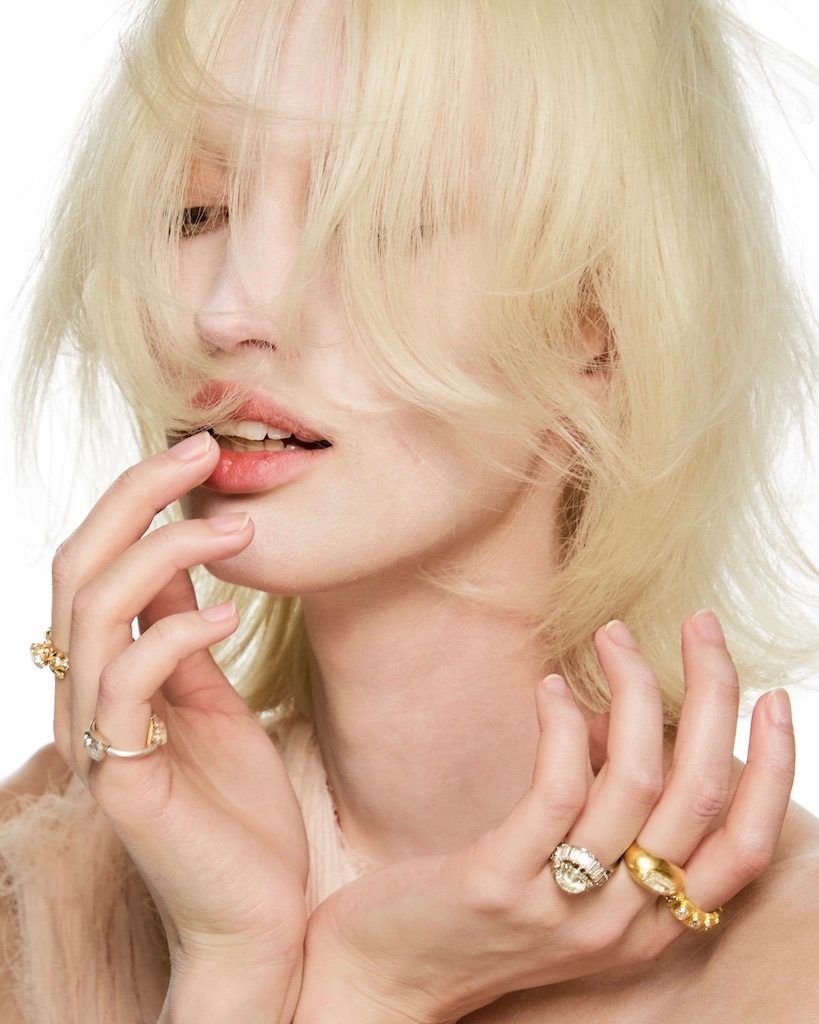
Farid sees younger shoppers wearing vintage diamond rings as pinky rings, stacking them with other jewelry and choosing them as statement pieces rather than saving diamonds for a proposal.
A Victorian diamond ring can become a pinky ring. An old-cut diamond can become an everyday stud. A delicate diamond band can join a stack you already own. Younger shoppers are styling old jewelry through a modern lens, Weir says, and that contrast is part of what makes vintage feel fresh.
4. If You’re Starting a Collection, Buy What You’ll Actually Wear
Your first vintage diamond purchase doesn’t need to be the biggest stone you can afford. Start with jewelry that can become part of your everyday rotation.
Vintage diamonds can also be repurposed. Beladora often takes diamonds from older jewelry and gives them another life in studs or rings. Rusty Fogarty points to charming, slightly irregular old-cut diamonds transformed into earrings for around $2,000.
They are, as Hillary puts it, “the kind of jewelry you will wear 1,000 times.” Instead of focusing only on carat weight or the original age of the piece, think about cost per wear. A $2,000 pair of diamond studs you wear constantly may ultimately make more sense for your collection than a more impressive piece that rarely leaves your jewelry box.
5. Don’t Assume a Famous Name Is the Best Buy
Yes, Cartier and other recognizable names can be exciting. But if you’re shopping for value, don’t ignore unsigned jewelry.
Rusty Fogarty says unsigned antique and vintage pieces are typically less expensive because there are fewer direct comparables in the market. Yet they can still offer beautiful old diamond cuts, excellent workmanship, history, and plenty of personality.
Authentic pre-owned contemporary jewelry in excellent condition can also offer strong value compared with buying new. Jack Gencher, the U.K.-based dealer behind Isit4sale, agrees that a famous signature shouldn’t be your only reason to buy.
Signed pieces, when authentic and correctly attributed, can hold value, he says. But trends change, and no one can predict exactly what collectors will want in the future.
So if you’re deciding between a signed piece and an unsigned one, ask yourself what you’re actually paying for. Is it the diamond? The craftsmanship? The rarity? The design? Or the name? A signature can be a reason to pay more. It shouldn’t automatically make something better.
6. Know Your Budget When Buying Vintage Diamonds
You don’t necessarily need five figures to get into vintage diamonds. Recent pieces from these dealers show how broad the market can be.
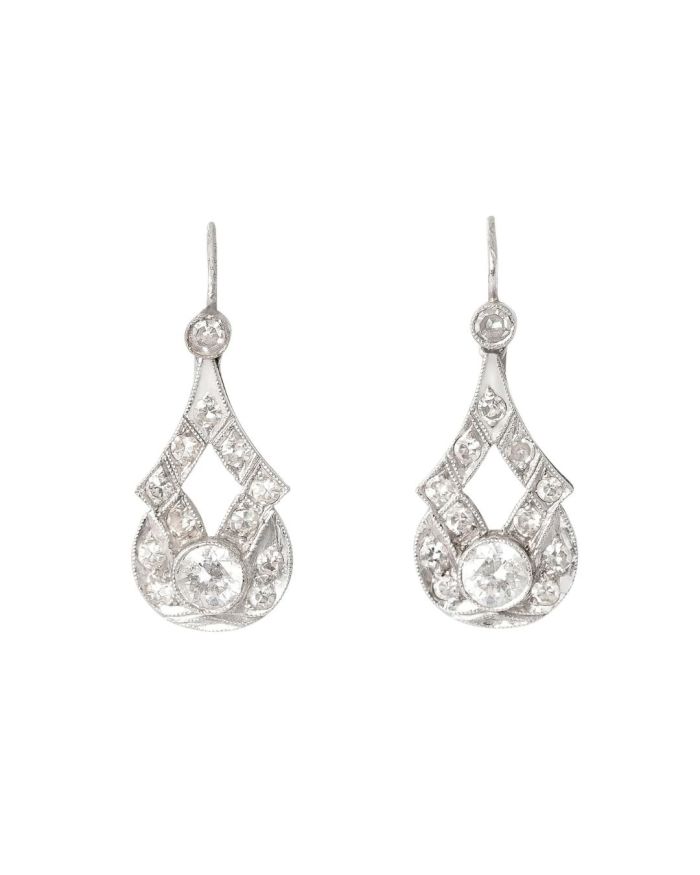
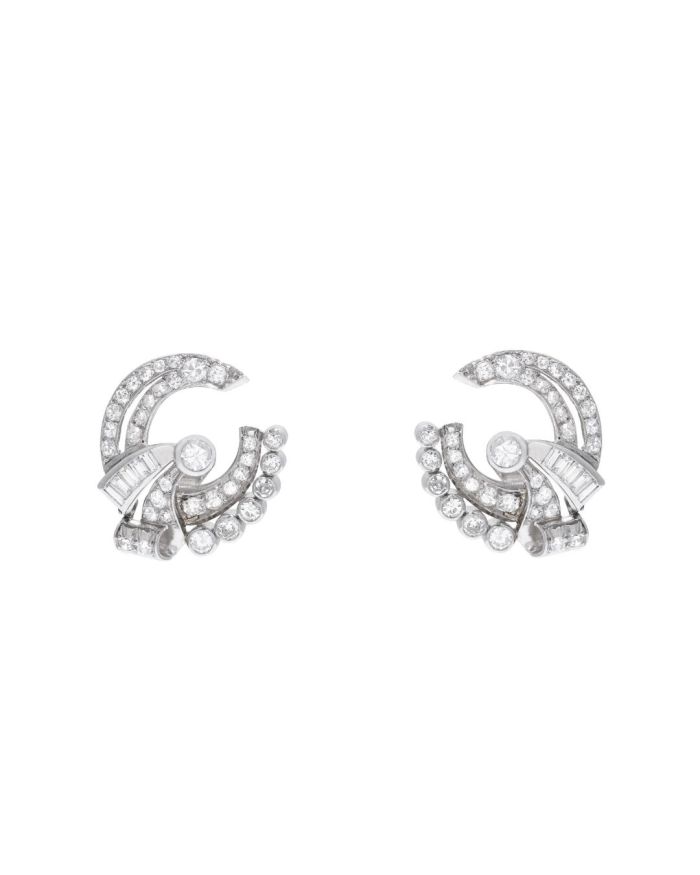
Trumpet & Horn has offered a mid-century diamond solitaire for $1,500, a Victorian diamond-and-ruby five-stone ring for $4,500, and an Art Deco diamond wedding band for $1,000. Beladora has offered an antique rose-cut diamond ring for $1,750, a baguette-cut diamond pendant for $1,250, and old-cut diamond studs in 14-karat gold for $1,750.
Fogarty also points to vintage multi-diamond rings around $2,500 to $3,500, 1950s diamond rings below $2,000, and an Art Deco diamond-and-platinum charm bracelet for $2,400.
Fox & Bond’s recent pieces have included a Victorian old mine-cut diamond ring for $1,550, a diamond pinky ring for $2,090, and pear-shaped diamond studs for $2,785. Set your budget before you start seriously shopping. Then see what that amount can buy across several dealers.
7. Ask Questions Before You DM “Sold”
Before you buy, ask about the things you can’t see in an Instagram post. What period is the piece from? What are the exact measurements? What type of diamond cut is it? What is known about the stone? Has the piece been repaired, resized, or altered? What condition is the setting in? Is there provenance? If the piece is signed, how has that attribution been authenticated?
And ask for more photographs or video if you need them. Zoom in. Look at the setting, not just the diamond. Pay attention to wear and repairs. If you’re buying a ring, make sure you understand the dimensions and how it will sit on the finger.
A beautiful Reel can make you want something. Details should make you comfortable buying it.
8. Compare Before You Buy
The hardest part about shopping vintage is that the piece you’re looking at may genuinely be one of a kind. If you find an old mine-cut ring you love, there may not be another identical ring waiting for you next week. But that doesn’t mean you shouldn’t comparison shop.
You can still compare similar eras, cuts, carat weights, metals, conditions, and styles across dealers.
The pieces won’t be identical, but looking at enough of them helps train your eye. Eventually, you start to understand what $1,500, $3,000, or $5,000 buys in the vintage market—and when something really does look special.
9. Shop Online—and Then Go See Jewelry IRL
You don’t have to choose between shopping online and shopping IRL. Use both. Sunny Bond, owner of Fox & Bond, has spent more than a decade selling online and through social media, while the company is also doing more in-person events.
Online shopping gives you access to an enormous selection of vintage jewelry. In-person shopping teaches you things a screen can’t.
You learn how big a stone actually looks. You see how antique diamonds react to light. You feel the weight of a piece. You discover whether a chunky ring that looked incredible on Instagram actually feels like you when it’s on your hand.
Learn the marketplace and your taste. Go to stores, appointments, antique shows, and jewelry events whenever you can. The more jewelry you see, the better shopper you become.
10. Buy the Diamond That Feels Like Your Discovery
This may be the most Gen Z rule of all: don’t buy something simply because it’s a trend. Gencher says younger shoppers tend to fall into two camps: those looking for familiar pieces and those hunting for something unique that “screams individualism.”
Bond sees something similar. Her younger customers want versatility plus uniqueness: pieces that work with everything but aren’t necessarily the version everybody else owns. An evil-eye pendant? Sure. But make it one you aren’t going to see on everyone else.
That’s the advantage vintage has over so much new jewelry. There’s a thrill in finding something incredible, Bond says, and then experiencing that thrill again every time you wear it. So treat TikTok and Instagram as the beginning of the hunt, not the end.
Follow dealers whose taste you like. Learn the vocabulary. Zoom in. Ask about condition, measurements, diamond cuts, and provenance. Compare prices. Look at unsigned jewelry as well as famous names. And don’t be afraid of a diamond that is a little imperfect.
Because the best part of vintage isn’t simply owning something old. It’s finding something great before everybody else does.
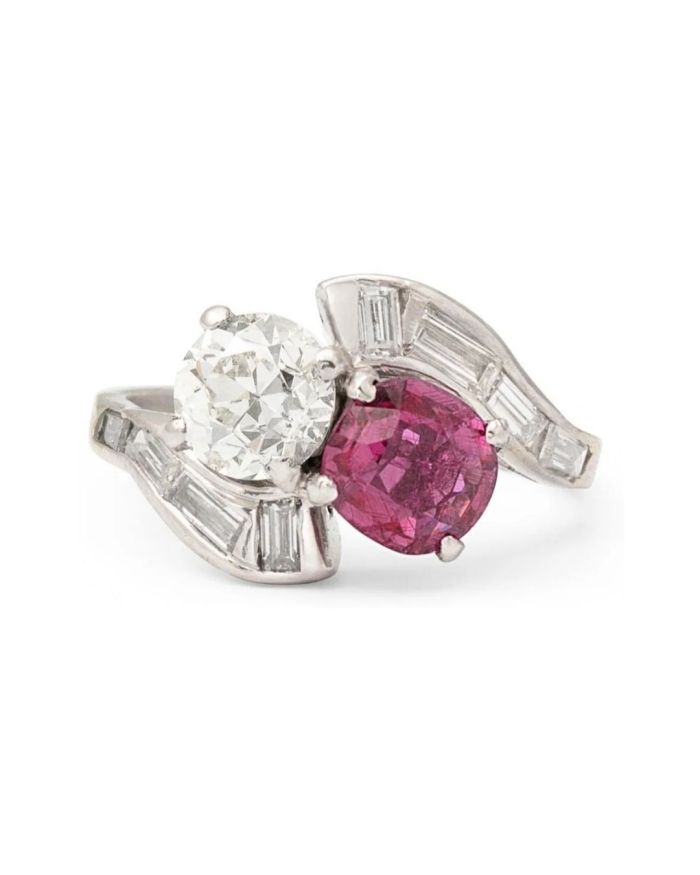
The Toi et Moi Ring Knows a Thing or Two About Chemistry
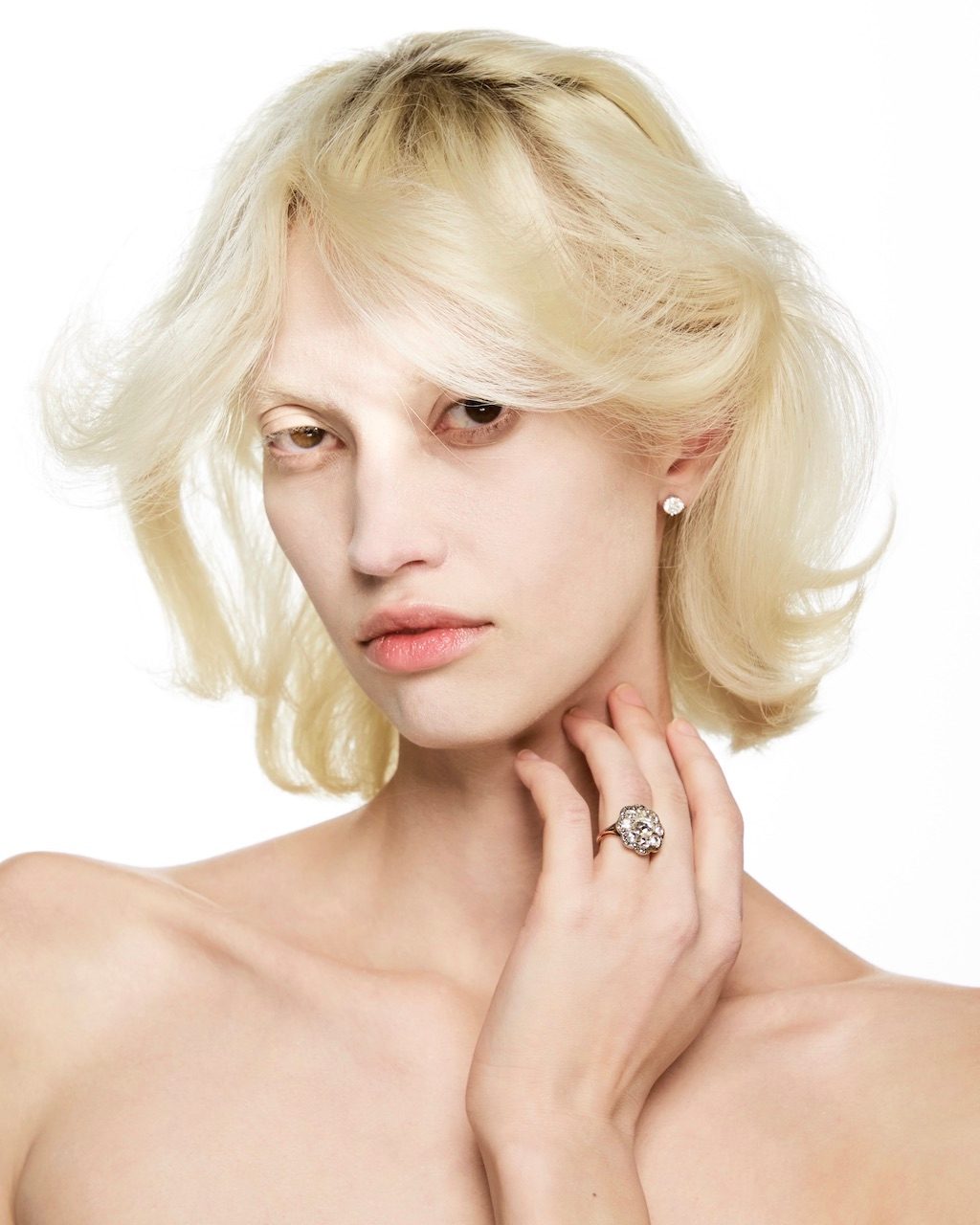
Old Diamond, Completely New Mood
The history is forever. The setting doesn’t have to be. Here’s how to reset an heirloom diamond into something that feels entirely your own.
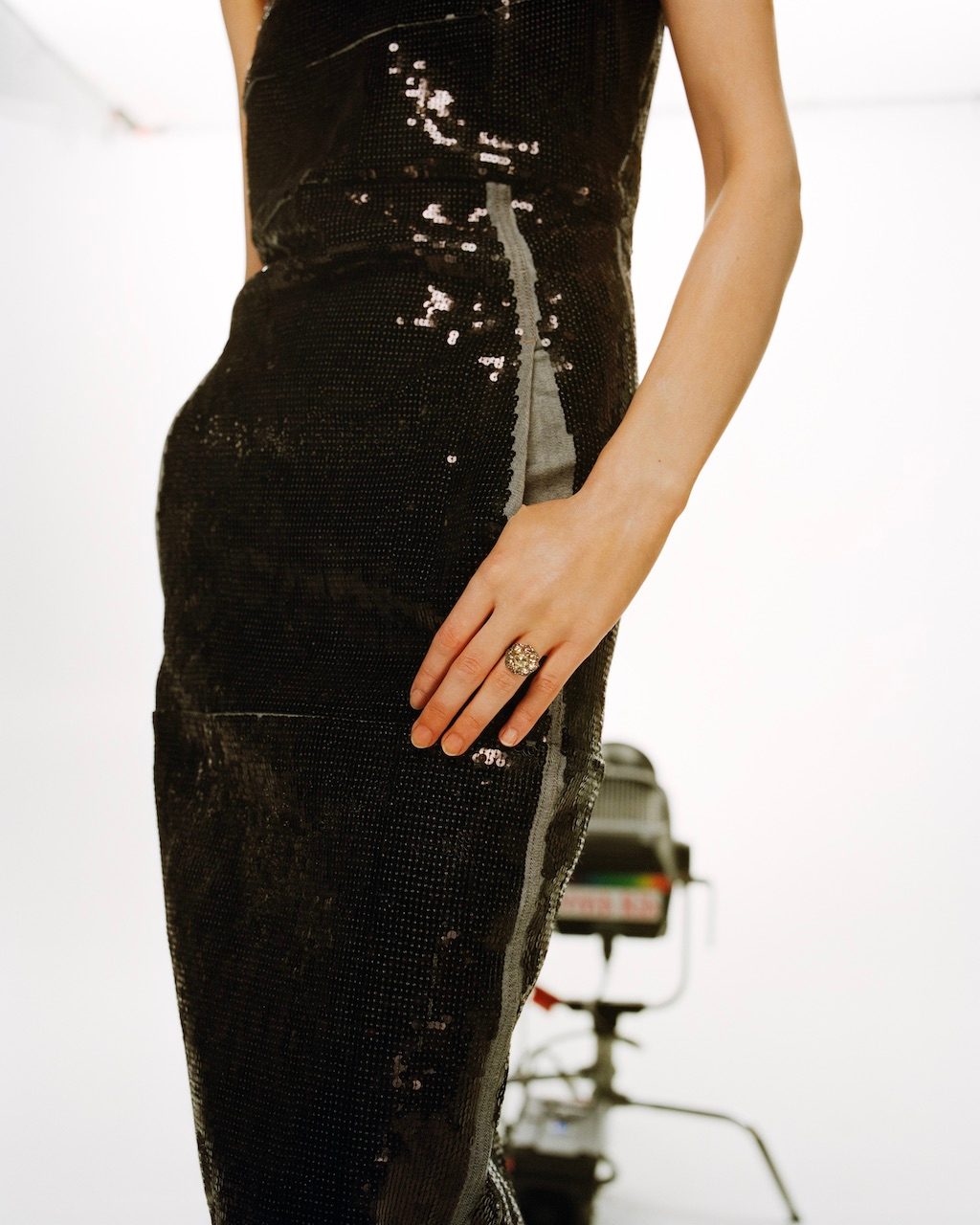
The 5 Biggest Diamond Engagement Ring Trends of 2026
Something old, something bold. The engagement rings defining 2026 are rewriting the rules, one distinctive diamond at a time.

When It Comes to Diamonds, Elle Fanning Doesn’t Hold Back
Before she steps into the role of Effie Trinket in the Hunger Games prequel, revisit Elle Fanning's most unforgettable jewelry moments, from Cartier icons to jaw-dropping diamonds and a little red carpet audacity.
Get the Newsletter
Sign up for the latest diamond news, delivered directly to your inbox.