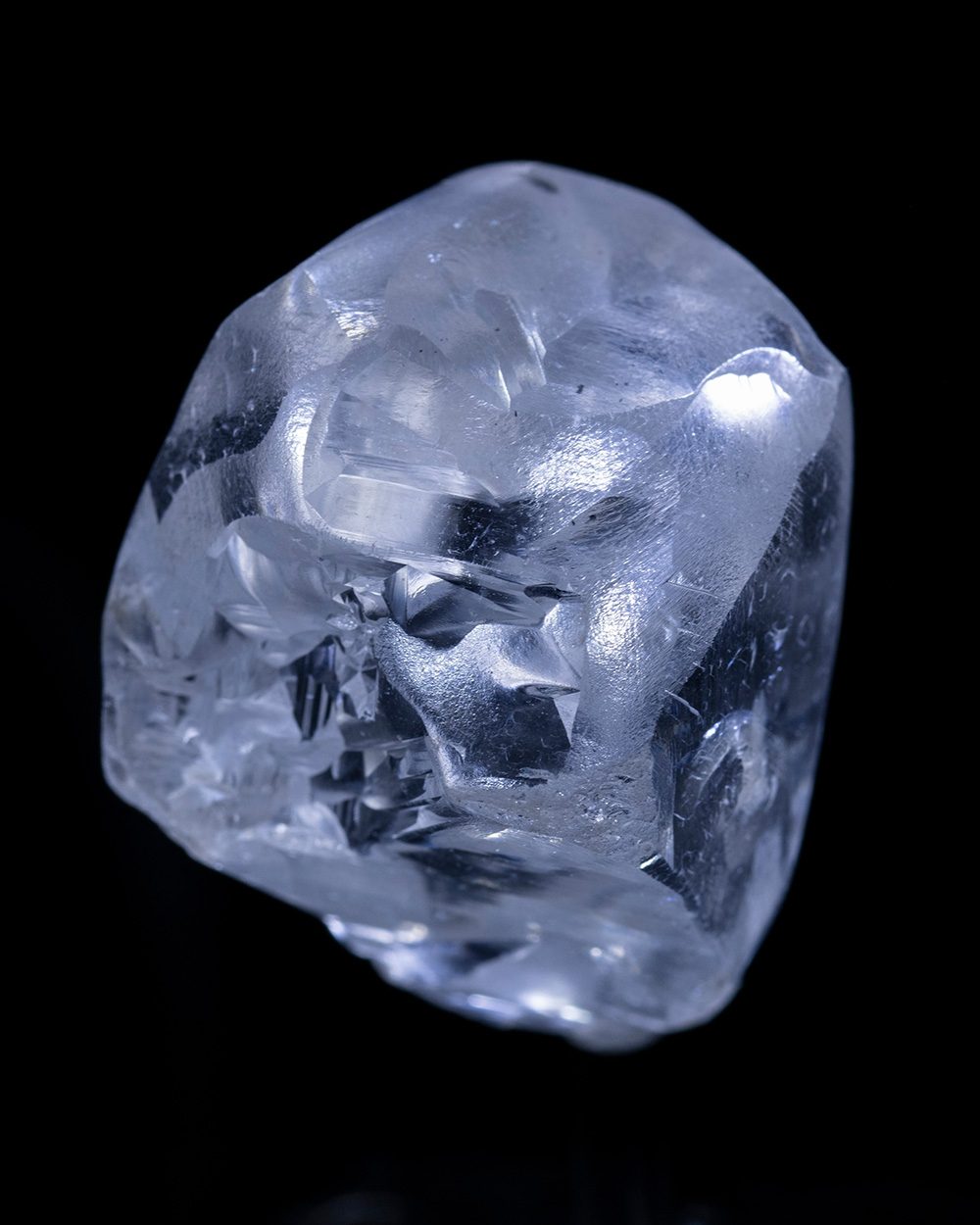
At 176 carats and 1.695 billion years old, the Owishi diamond is an extraordinary discovery. Now, its next chapter could make history in the hands of Namibian artisans.
(Photographed by Mark Lim for The Diamond Collective)
2 Carat Diamond Rings Make Their Presence Known
Only about one in five million gem-quality diamonds reaches 2 carats. That’s a whole lot of rarity packed into one stone, with the sparkle to turn heads and the potential to become a family heirloom.
A 2 carat diamond ring makes a striking statement—its presence is undeniable, perfect for those who want an engagement ring with both brilliance and boldness.
But beyond its captivating sparkle lies a deeper appeal: the rarity of a diamond of this size and quality significantly enhances its value, as only a select few meet the rigorous standards of fine jewelry. When thoughtfully chosen, a 2-carat diamond becomes more than an exquisite adornment—it’s a lasting investment, a future heirloom destined to be cherished for generations.
.
What Makes a 2 Carat Diamond Ring a Big Deal?
A 2 carat diamond is a rarity millions of years in the making. In fact, the International Gem Society estimates that only about one in five million gem-quality diamonds reaches the 2 carat mark.
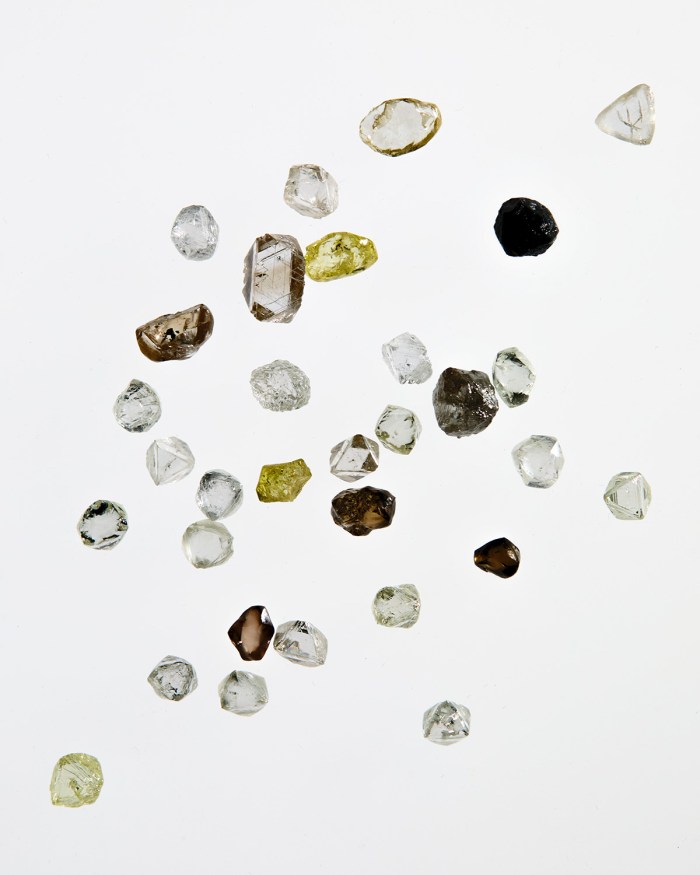
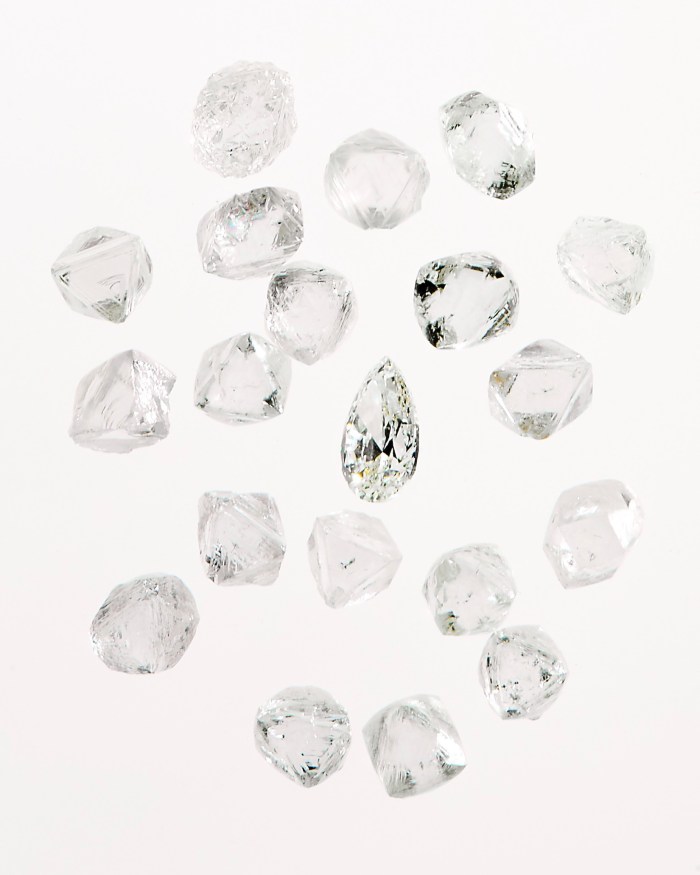
Diamonds form deep within the Earth under extraordinary heat and pressure, and larger gem-quality crystals are much harder to come by. Even when a substantial rough diamond is discovered, cutting and polishing remove some of its weight to bring out its brilliance.
That scarcity helps explain why larger diamonds command higher prices per carat. But size alone doesn’t determine value. A diamond’s color, clarity, and cut all play a role.
The result? Two diamonds of exactly the same carat weight can look remarkably different and carry very different price tags. And while resale values aren’t guaranteed, a thoughtfully chosen diamond can become an heirloom with meaning that extends well beyond its original price.
How to Get More Diamond for Your Money
A 2 carat diamond ring doesn’t have to come with every premium on the price tag. Knowing where to spend and where to compromise can help you find a diamond you love without paying extra for qualities you may never notice.
The 4Cs Aren’t the Whole Story
The 4Cs of diamonds (cut, color, clarity, and carat weight) are essential, but they don’t tell you everything about how a diamond looks in person.
Take clarity. A diamond may have tiny inclusions that affect its grade but are virtually invisible to the naked eye. Choosing a stone with a slightly lower clarity grade can mean significant savings without an obvious difference in appearance. Just be sure the inclusions don’t affect its beauty or durability.
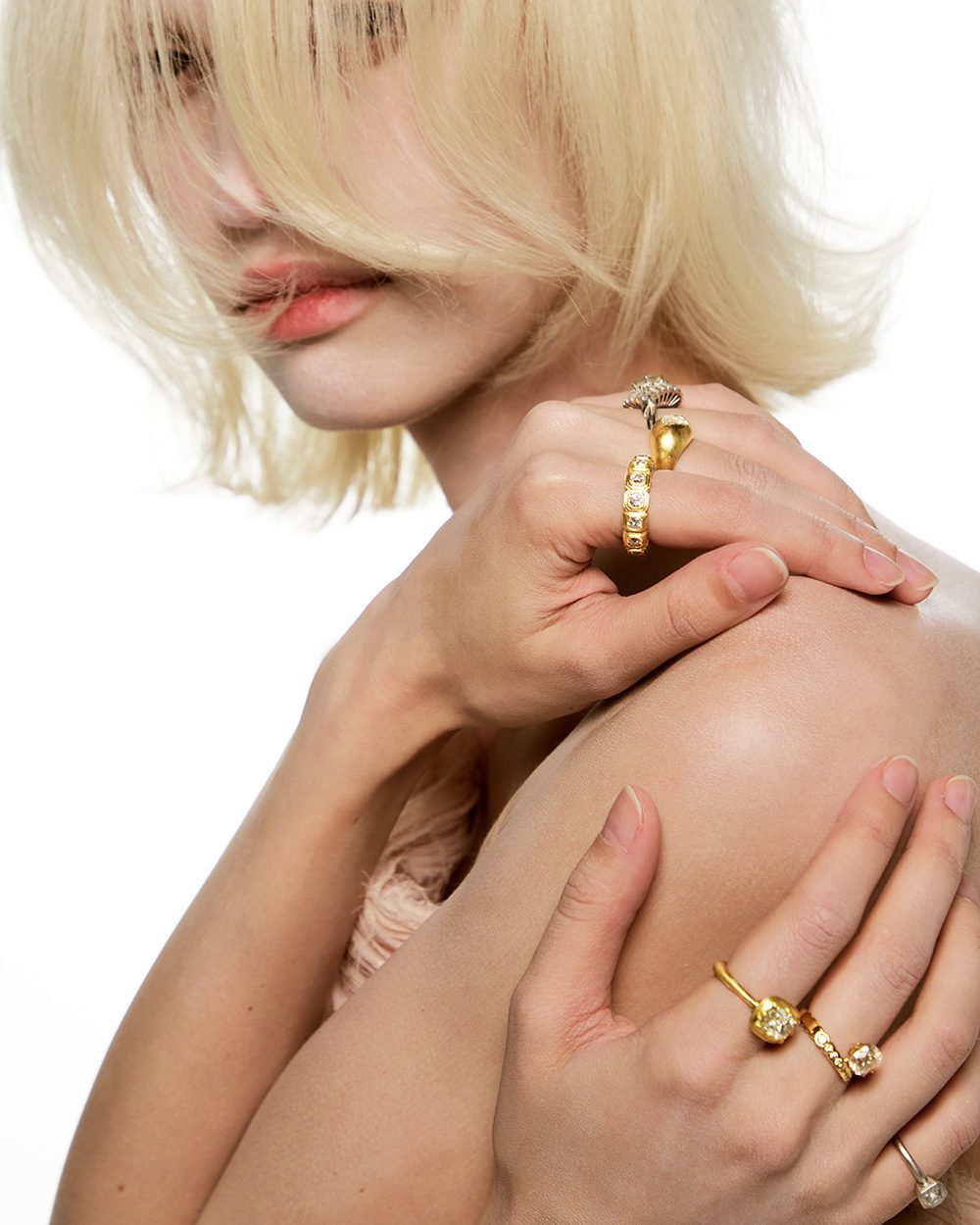
Color is another opportunity. Diamonds in the G–J range are considered near-colorless and typically cost less than those in the D–F colorless range. Some even have a hint of warmth that looks particularly beautiful in yellow or rose gold, or in a vintage-inspired setting.
Cut quality, however, deserves special attention. A beautifully cut diamond can deliver exceptional brilliance regardless of its other grades.
Our advice? Shop in person whenever possible. A diamond that looks perfect on paper isn’t necessarily the one you’ll fall in love with.
Think Beyond the Round Brilliant
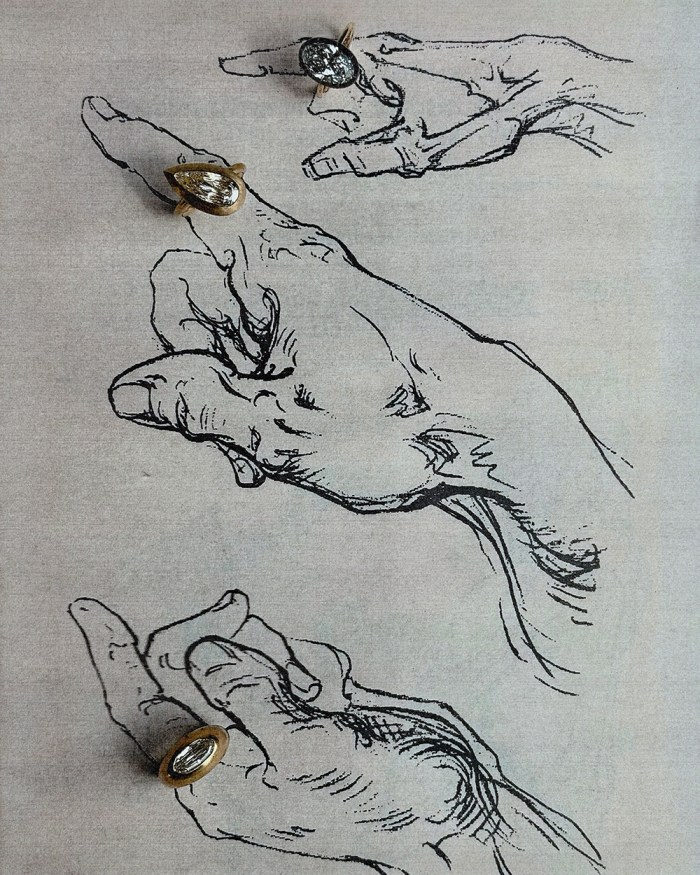
Round brilliant diamonds may be the most popular choice, but they’re often among the most expensive. If you’re open to something different, an oval, pear, or marquise diamond could deliver more visual impact for your budget.
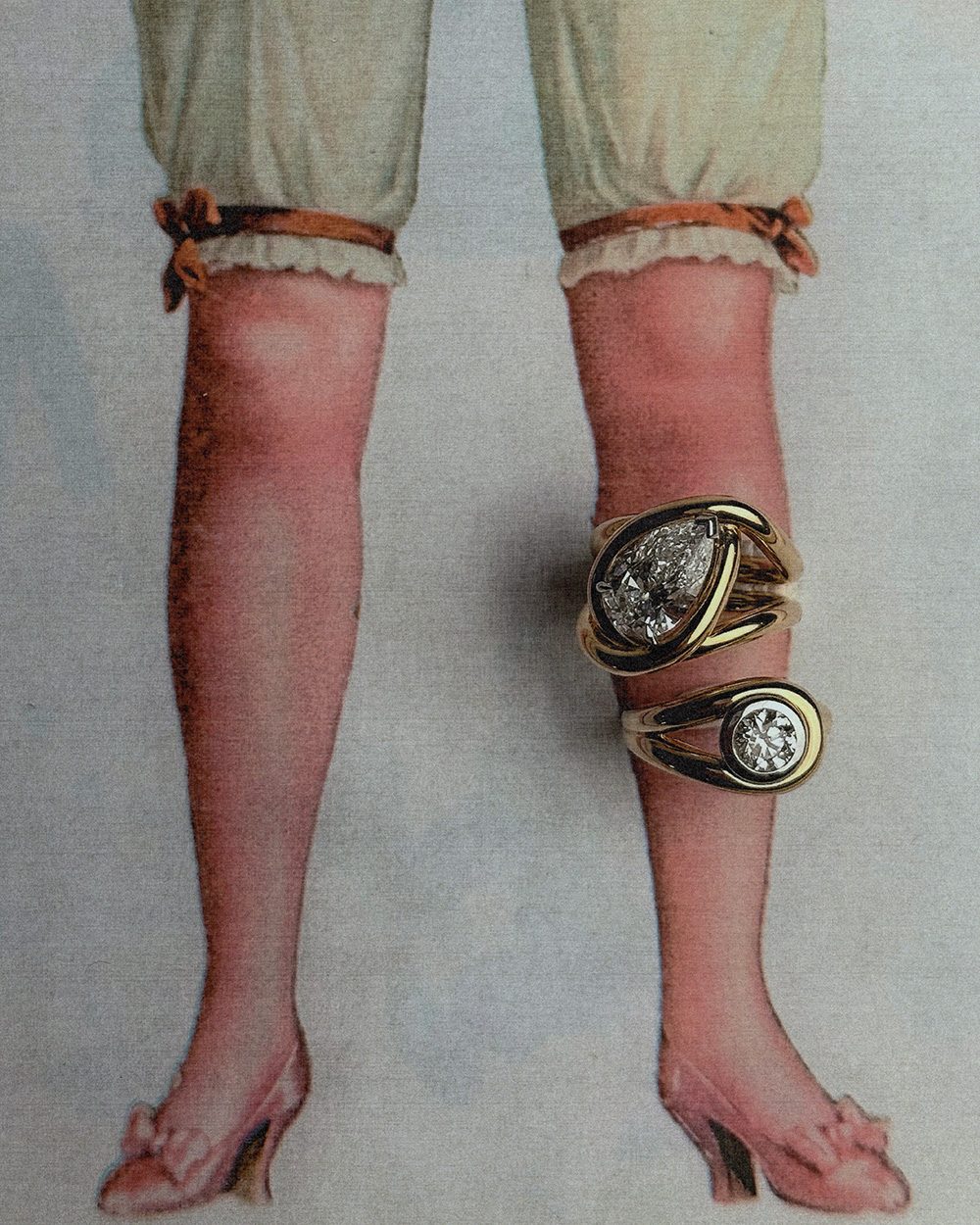
These elongated diamond shapes can appear larger than a round diamond of the same carat weight because of their face-up dimensions. They also create a lengthening effect on the finger.
And there’s plenty of personality to consider. An oval feels timeless, a pear brings alternative attitude, and a marquise has an unmistakable vintage charm. The right shape can make your ring feel uniquely yours.
Let the Diamond Do the Talking
Sometimes, the simplest setting makes the strongest statement.
A classic solitaire engagement ring puts the focus exactly where it belongs: on the diamond. With no additional stones competing for attention, a 2 carat center stone has plenty of room to shine.
A simple prong setting can also be more affordable than elaborate designs featuring halos, pavé bands, or multiple side stones. Just keep in mind that more minimalist-looking settings, including certain bezels and cathedral designs, aren’t automatically less expensive. The amount of metal and complexity of the craftsmanship still matter.
If you’re drawn to a clean, modern look, a solitaire proves that a great diamond doesn’t need much else.

The Case for a Cluster
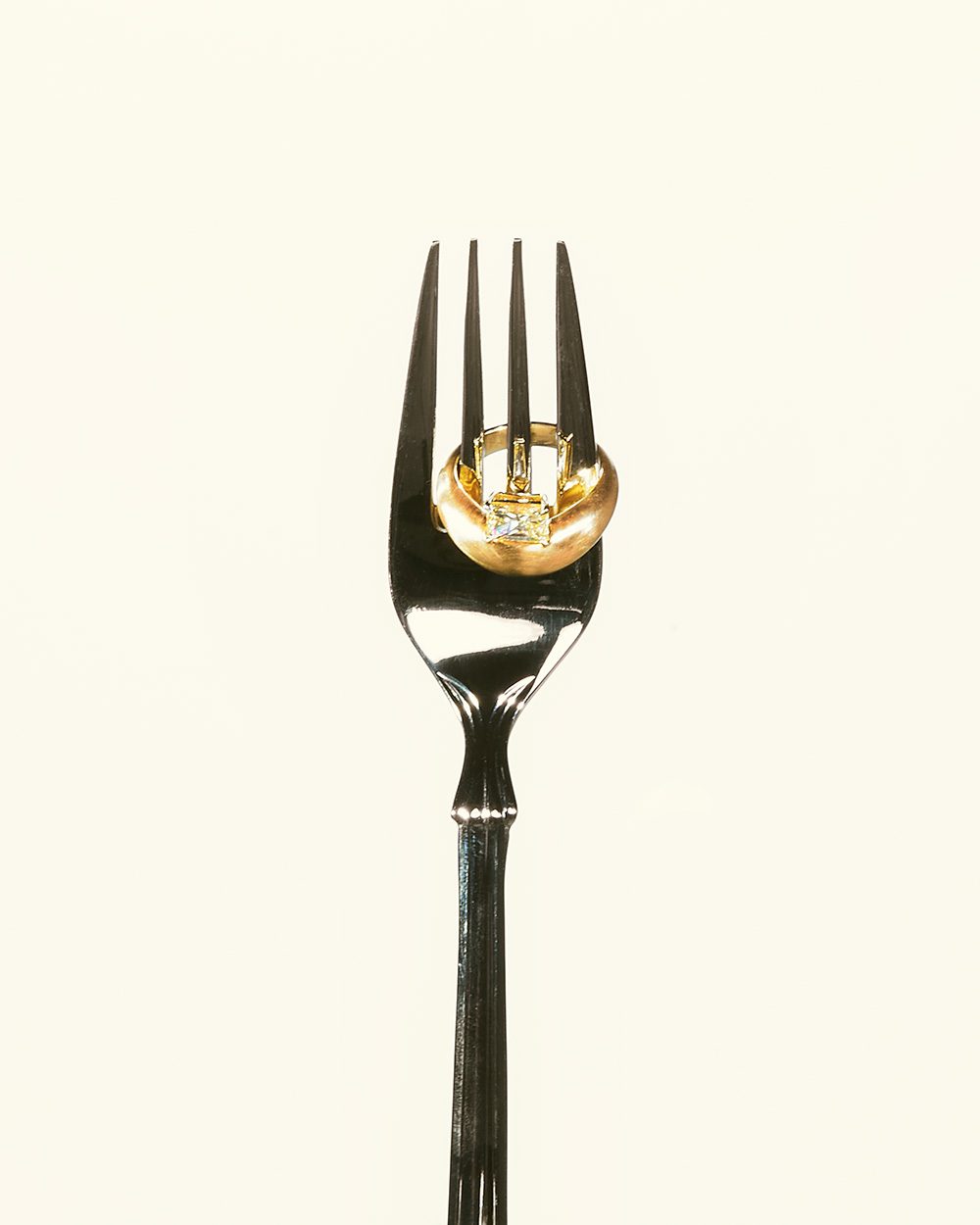
Want the impact of two carats without the price of a single 2 carat center stone? Consider a cluster ring.
Rather than featuring one large diamond, a cluster setting brings several smaller diamonds together to create a striking design. Because larger individual diamonds command a rarity premium, a ring with multiple smaller stones can be a more accessible option.
There’s one important distinction: A ring with 2 carats of total diamond weight is not the same as a ring featuring a single 2 carat diamond. But if you’re more interested in the overall look than a particular center-stone weight, a cluster opens up plenty of creative possibilities.
Old Diamonds, New Era
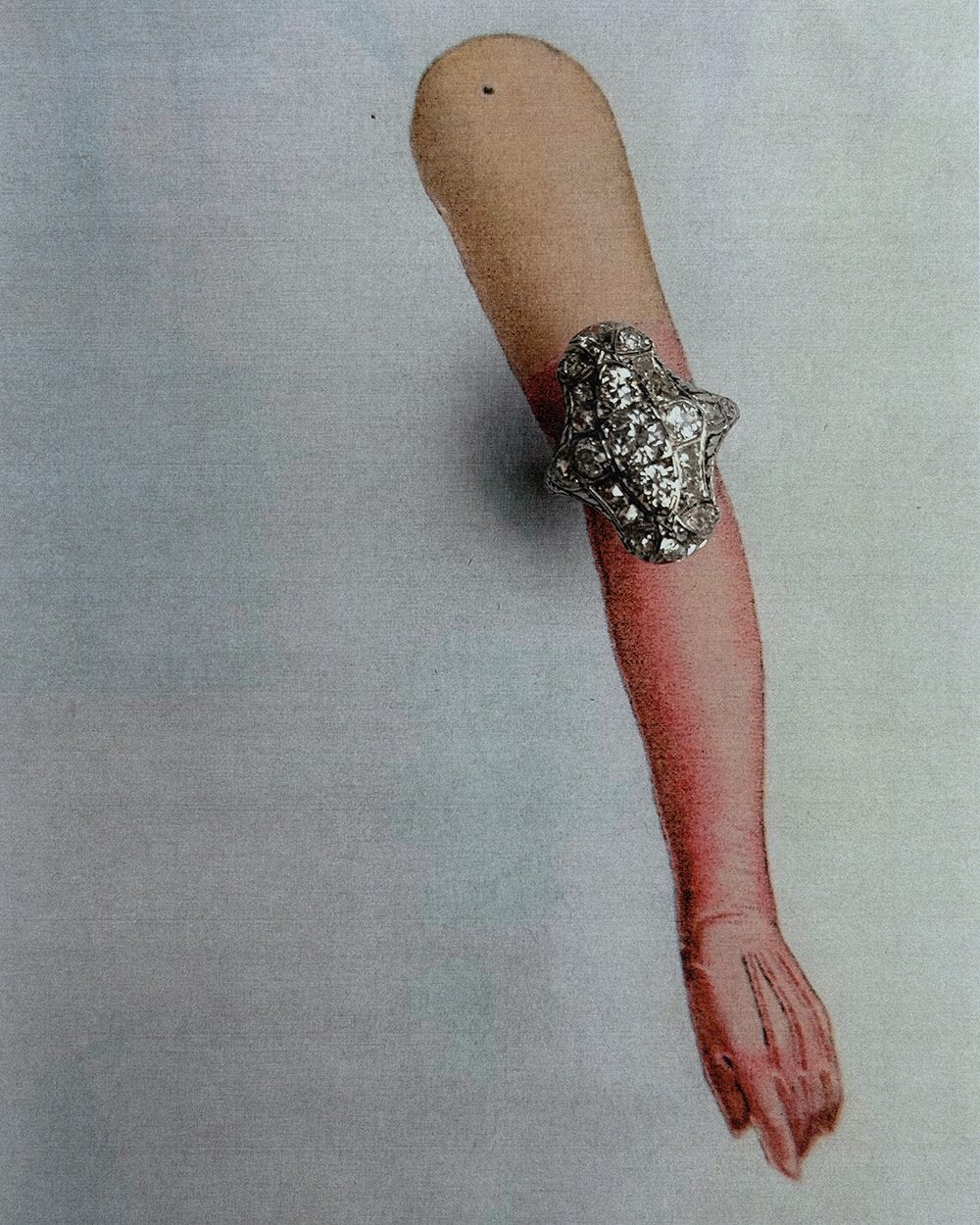
There’s something irresistible about a diamond with a past. Antique and vintage diamonds bring history, character, and a very different kind of sparkle to an engagement ring.
Old mine cuts, old European cuts, and antique cushion cuts are particularly appealing for their larger facets and distinctive flashes of light. Unlike many modern brilliant cuts, these diamonds were shaped to perform beautifully in softer lighting, including candlelight.
An antique diamond can also be an opportunity to find something truly individual. Prices vary considerably, and desirable old cuts aren’t necessarily less expensive than their modern counterparts, but exploring estate and vintage jewelry can reveal unexpected options.
A century-old diamond with an entirely new love story? That’s hard to beat.
What to Know Before Buying a 2 Carat Diamond Ring
A little research goes a long way when you’re making a significant purchase. Before committing to a diamond, take the time to compare your options, understand its grading, and explore what your budget can get you.
Compare Before You Commit
Diamond prices can vary substantially between retailers, even for stones with similar grades. Compare options online and in person, looking closely at the cut, color, clarity, measurements, and overall appearance.
Here’s another shopping trick worth knowing: Diamonds just below major carat milestones can sometimes offer better value. A 1.90 or 1.95 carat diamond, for example, may look almost identical in size to a 2 carat stone but cost noticeably less.
If you’re not attached to hitting exactly 2.00 carats, this is one of the smartest places to explore.
And don’t underestimate the value of seeing diamonds in person. Compare them under different lighting conditions and pay attention to which one catches your eye.
Always Ask for the Grading Report
Before buying a 2 carat diamond, ask for an independent diamond grading report from a respected laboratory, such as the Gemological Institute of America (GIA).
A grading report provides an independent assessment of a diamond’s characteristics, including its carat weight, color, and clarity, along with cut information where applicable. It helps you understand exactly what you’re buying and compare diamonds with greater confidence.
It’s also worth knowing that a grading report isn’t an appraisal or a guarantee of monetary value. Think of it as an essential tool for making an informed decision.
Make It Personal
The setting can make a 2 carat diamond feel completely different, which is why it’s worth exploring custom options.
Some jewelers can help you create a design that balances your priorities and your budget. Maybe that means choosing a streamlined gold band, reworking a family heirloom, or designing a setting that shows off an unusual diamond shape.
Custom doesn’t always mean less expensive, but it does give you more control over where your money goes.
Ultimately, the best 2 carat diamond ring isn’t necessarily the one with the highest grades or the biggest price tag. It’s the one that feels right the moment you put it on, and that you’ll still love decades later.
The Second-Largest Diamond Found in Namibia Just Made Its U.S. Debut
The 10 Most Expensive Diamonds Ever Sold at Auction
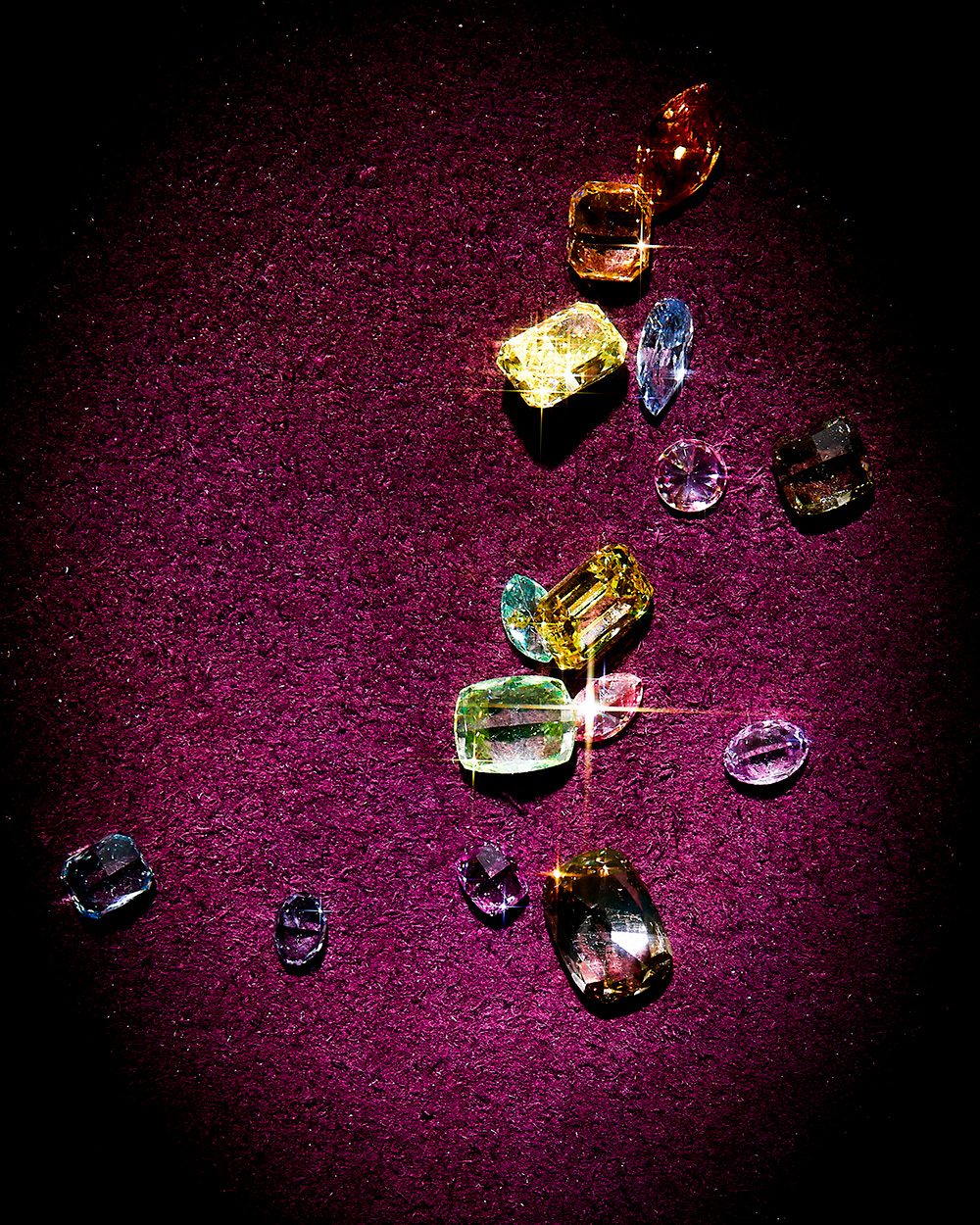
What makes a diamond worth $71 million? From rare pinks to brilliant blues, meet the über-rare stones that shattered auction records.
Pink Diamonds Make Pressure Look Good
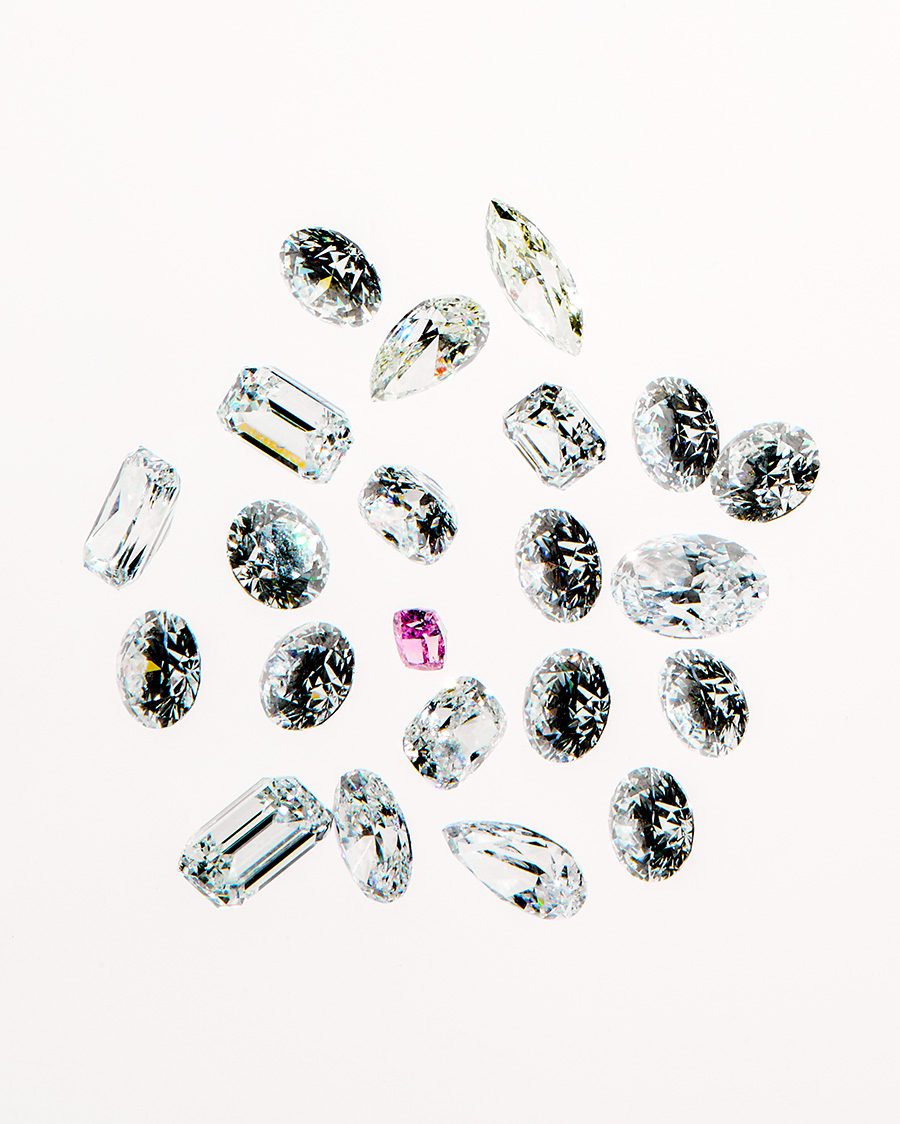
Nothing compares to natural pink diamonds.
The 4Cs Are Basically Your Diamond’s Birth Chart
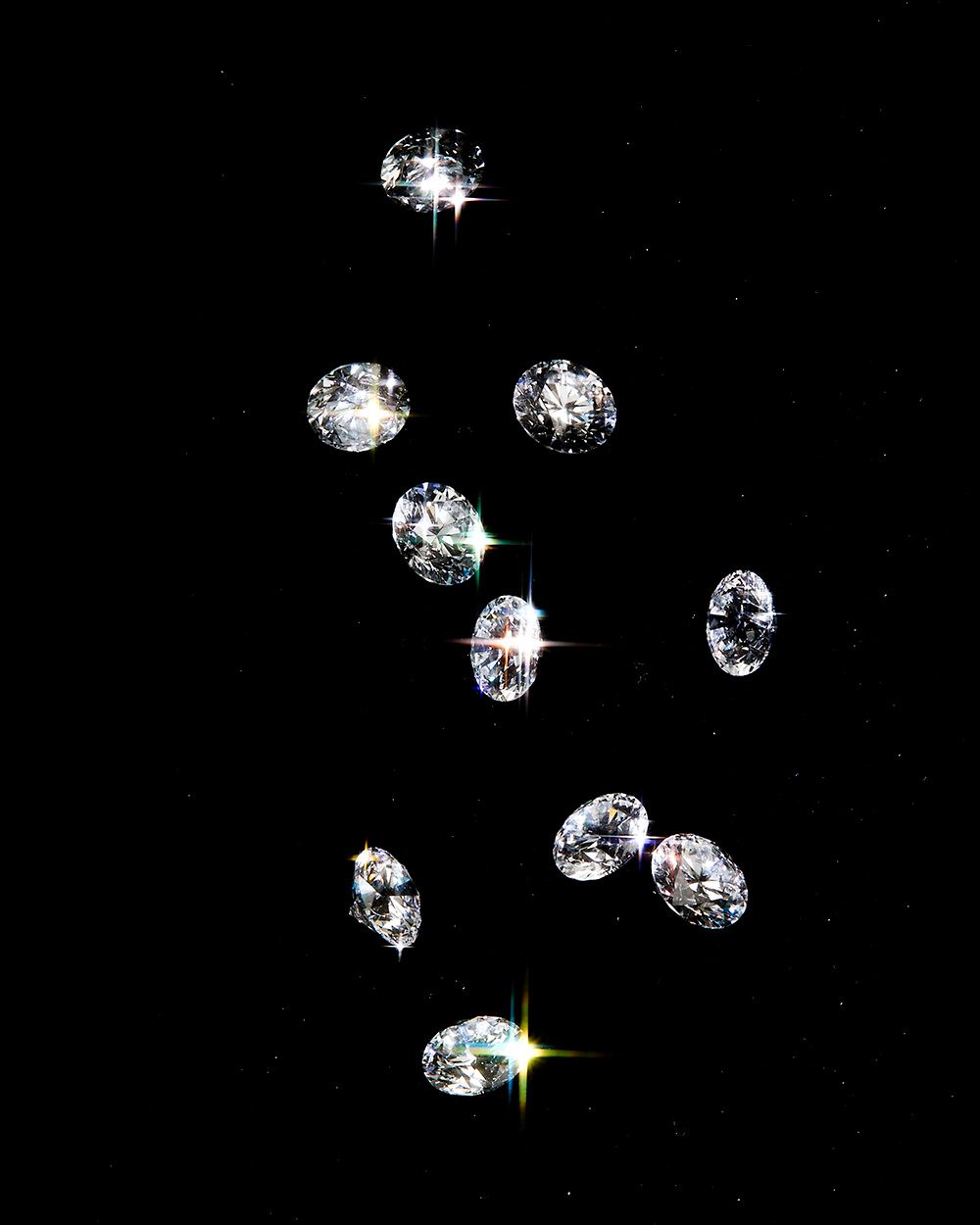
Every diamond is one of a kind. Think of the 4Cs as a birth chart, revealing the unique combination of Cut, Color, Clarity, and Carat that shapes your stone’s personality, sparkle, and character.
Get the Newsletter
Sign up for the latest diamond news, delivered directly to your inbox.