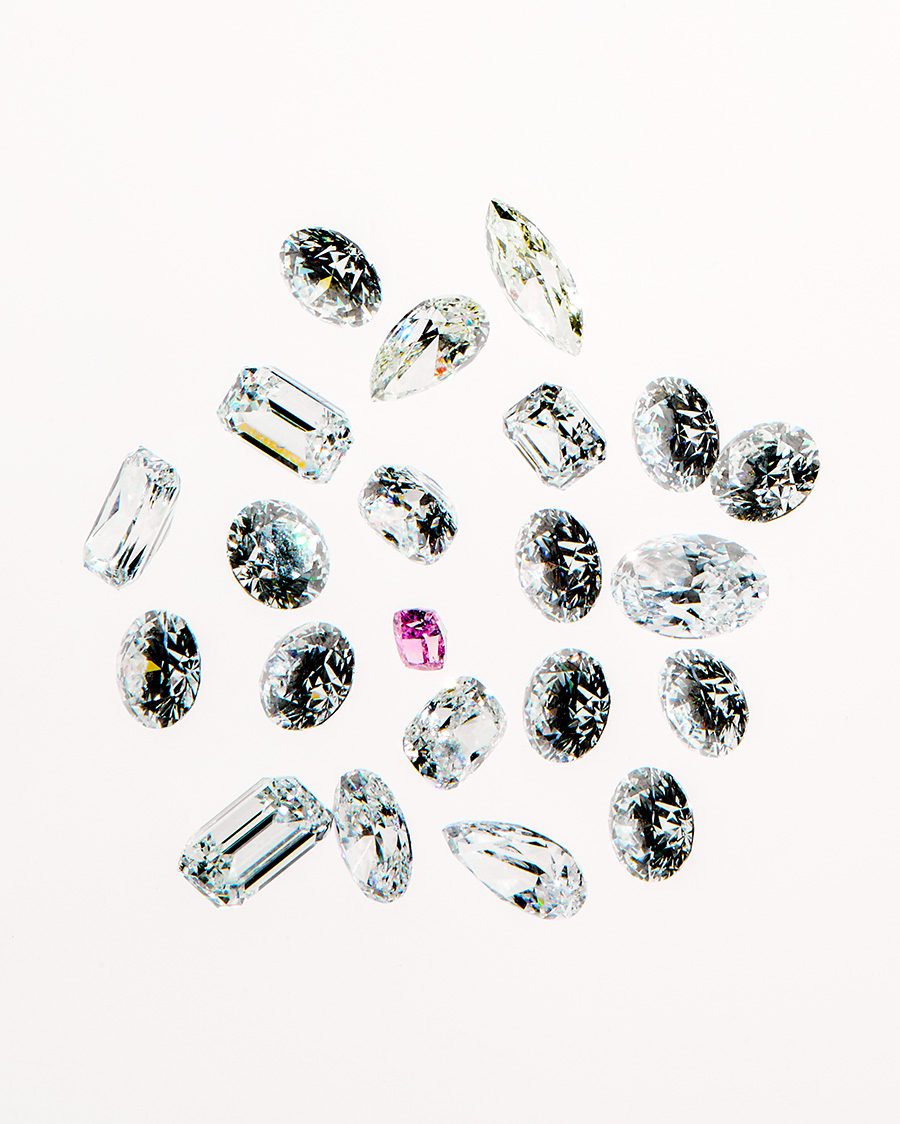
Every diamond is one of a kind. Think of the 4Cs as a birth chart, revealing the unique combination of Cut, Color, Clarity, and Carat that shapes your stone's personality, sparkle, and character.
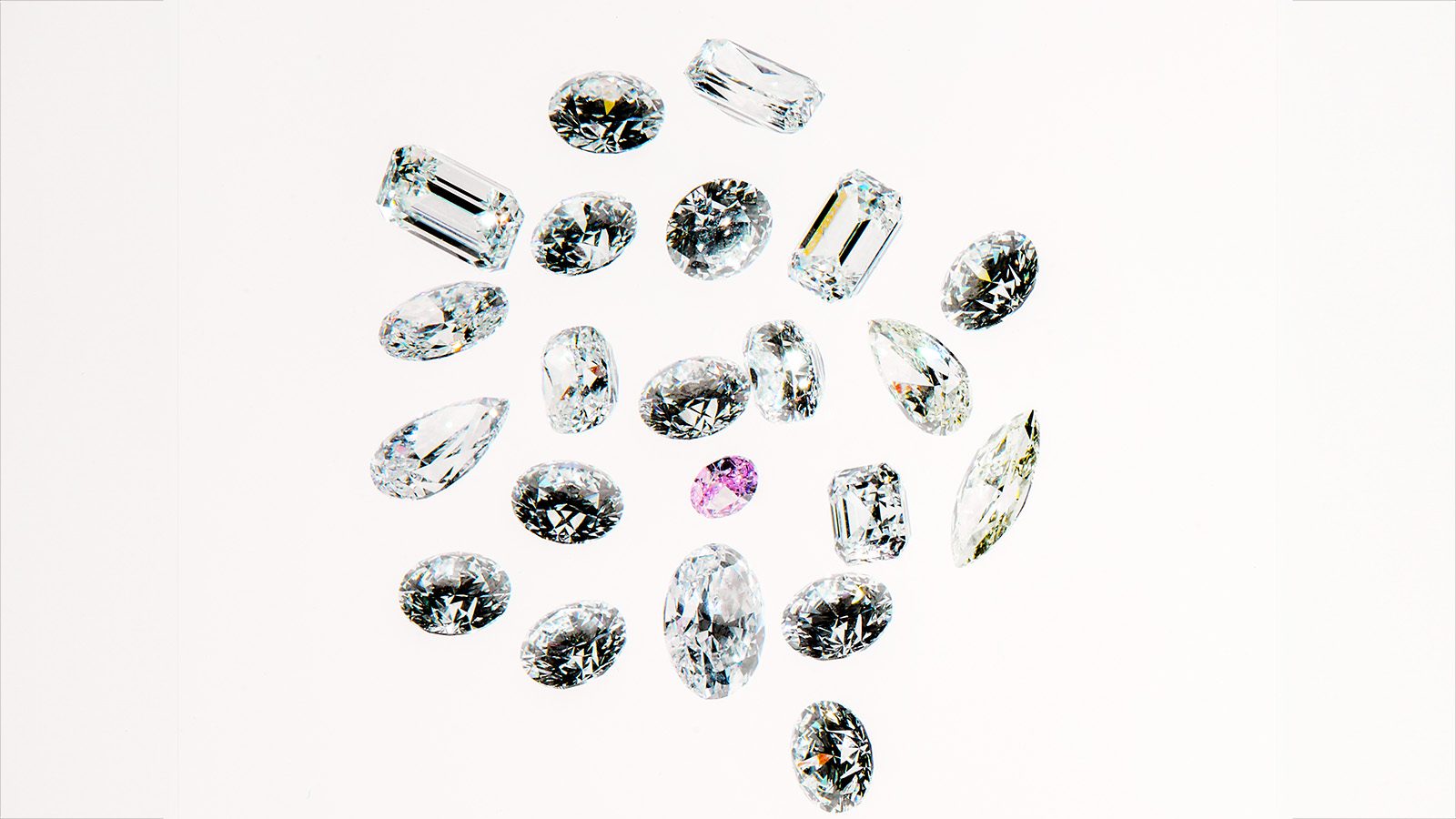
(Photographed by Mark Lim for The Diamond Collective)
Pink Diamonds Make Pressure Look Good
Extraordinary forces transform a diamond’s structure to give it a rare pink hue. And that’s only the part of what makes these stones so fascinating.
It takes extraordinary forces to make a diamond pink. In most cases, the color comes from geological pressure so intense that it distorts the stone’s internal structure. The result is a rare hue that has inspired some of Hollywood’s most famous engagement rings and multimillion-dollar bidding wars.
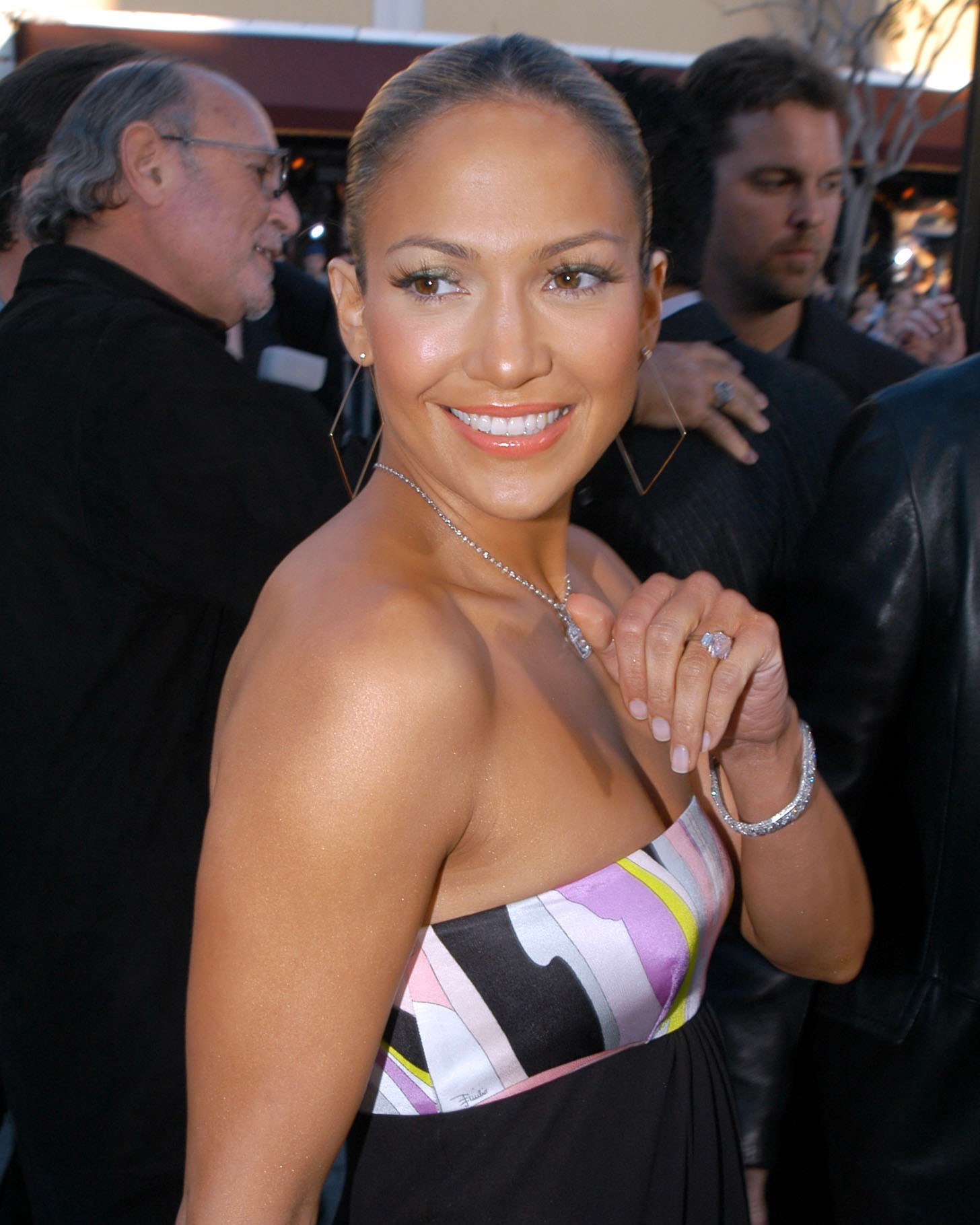
Jennifer Lopez helped bring pink diamonds into the pop culture spotlight in 2002, when Ben Affleck proposed with a 6.1-carat pink diamond from Harry Winston. The ring became one of the defining jewels of the Bennifer era and helped spark a wider fascination with colored diamond engagement rings.
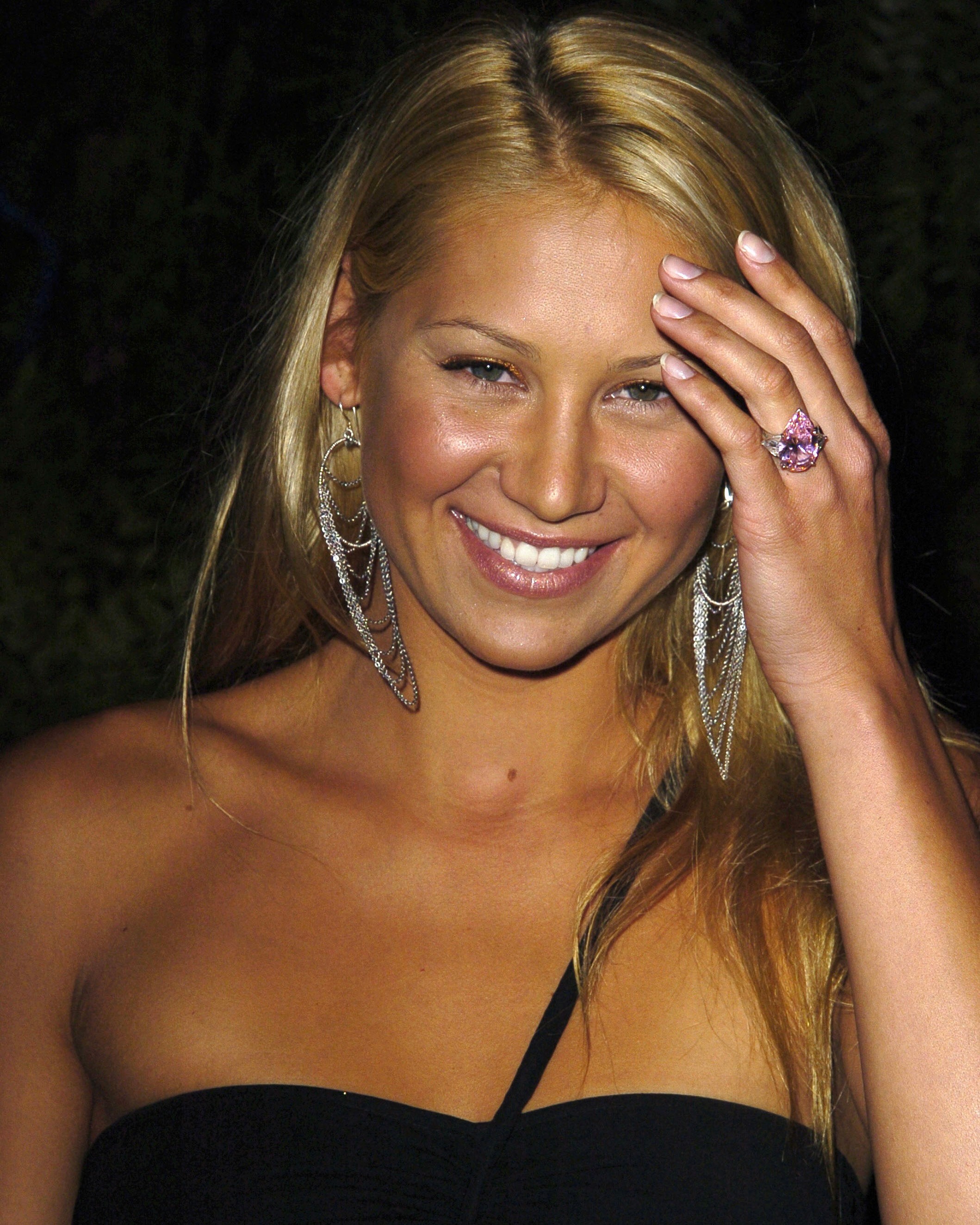
Since then, tennis star Anna Kournikova, actress Blake Lively, and designer Victoria Beckham have all embraced pink diamonds. But their appeal goes far beyond celebrity jewelry. With their most important source now closed and exceptional stones fetching record-breaking prices at auction, pink diamonds have become some of the most sought-after gems on Earth.
It’s All a Spectrum
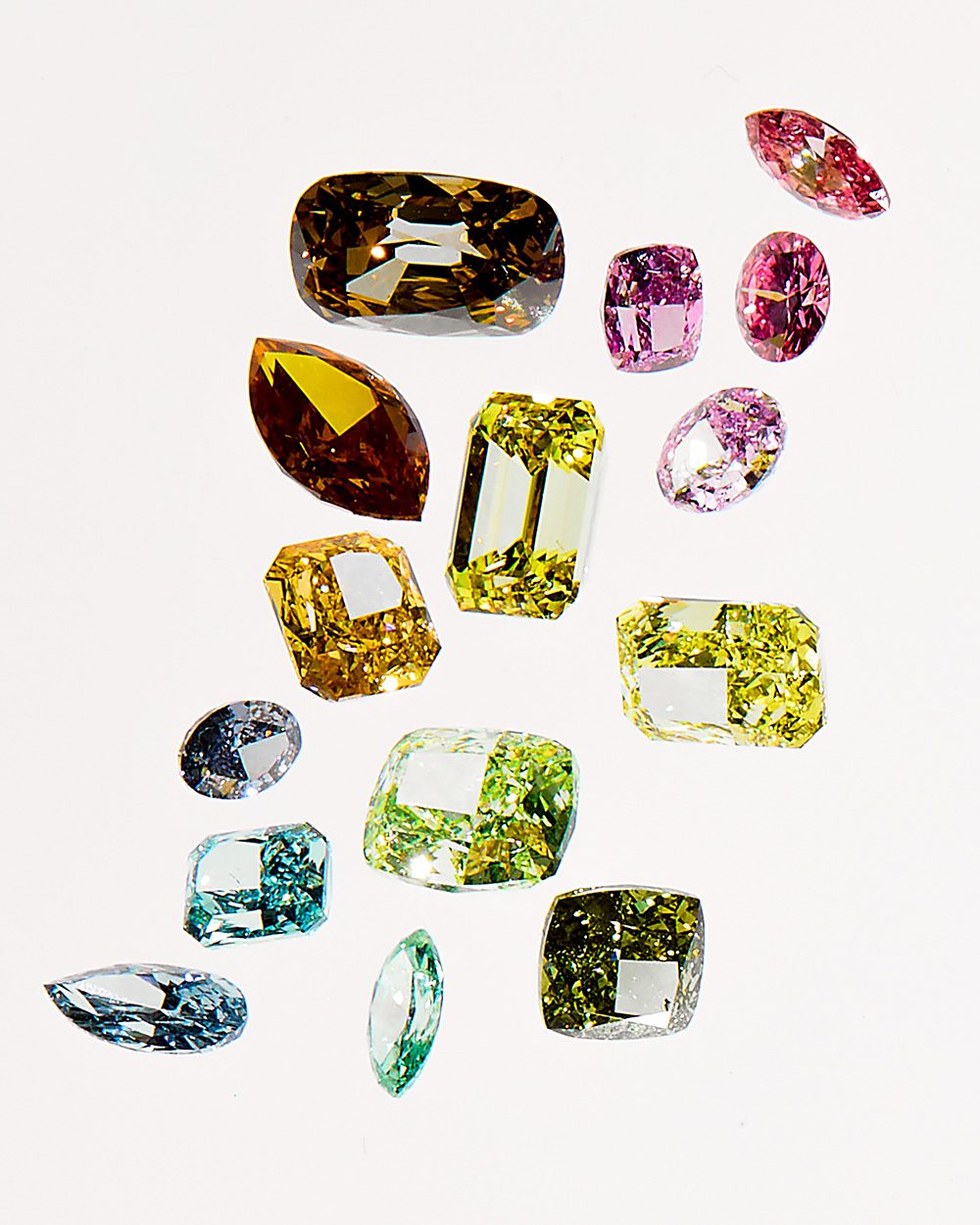
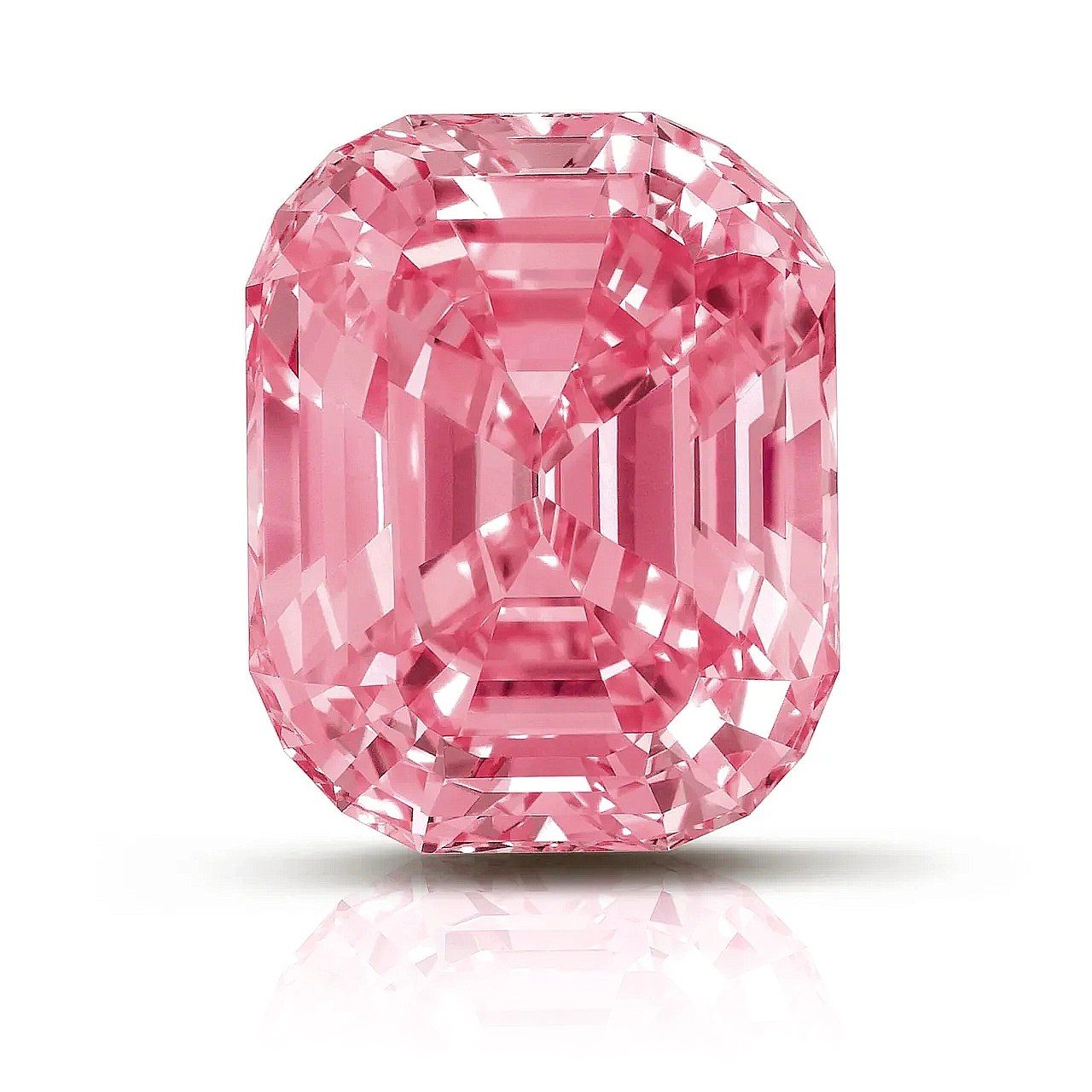
There is no single shade of pink diamond. Some are barely-there blush, while others have deep, saturated color. Undertones of purple, orange, brown, and gray add even more variety, giving each stone its own distinct character. These variations can earn grades like “Fancy Orangy Pink” or “Fancy Brownish Pink.” It’s a nuanced palette that takes a trained eye to interpret.
Among the well-known 4Cs of diamonds—clarity, cut, color, and carat—color is most important when evaluating fancy color diamonds. Gemologists carefully assess each stone’s hue, tone, and saturation to determine its color grade. Pure pink diamonds, with no secondary hues, are especially coveted, while the intense saturation of Fancy Intense Pink and Fancy Vivid Pink stones makes them among the rarest and most valuable of all.
The Rarity Is Real
Believe it or not, 80 to 90% of the world’s pink diamonds have been found in a single place, the Argyle Diamond Mine, in a remote part of Western Australia. At its peak, the number of pink diamonds found here in one year couldn’t fill a glass of champagne.
When Argyle closed in November 2020, the world lost its most significant source of pink diamonds. In October 2026, Rio Tinto announced that British jeweler Boodles had acquired the remaining Argyle pink diamond inventory, along with the brand itself. The mine’s legacy lives on, but its extraordinary output cannot be replaced.
And there’s another reason these stones are so difficult to find: the unusual way they get their color.
Unlike blue or yellow diamonds, whose hues are generally caused by the presence of elements such as boron or nitrogen, the color of most pink diamonds comes from distortions in their crystal structure. Scientists call this process “plastic deformation.” Extreme geological forces shift the diamond’s internal structure, changing how it absorbs light and producing its distinctive pink hue.
The phenomenon is so unusual that scientists are still working to understand the precise atomic changes responsible. And finding a pink diamond with exceptional color, clarity, and size is even more remarkable. In a major GIA study of pink and related-color diamonds, 83% of the stones examined weighed less than one carat.
Why They’re Worth Millions
When it comes to pink diamonds, bigger doesn’t always mean more valuable. A small stone with exceptional color can command a higher price than a much larger diamond with a paler hue.
Color is the biggest factor, but size, clarity, cut, and provenance all matter. The most coveted pink diamonds combine intense, evenly distributed color with exceptional quality—and finding all those characteristics in a single stone is extraordinarily rare.
That scarcity makes pink diamonds difficult to price by conventional standards. While smaller stones and those with lighter hues can be more accessible, exceptional examples are in a category of their own.
For serious collectors, the chance to acquire a stone of this caliber may come along only once. And when it does, the bidding can get extraordinary.
The World’s Most Famous Pinks
Pink diamonds have been breaking auction records for decades. And in November 2026, another extraordinary stone joined the ranks of the world’s most celebrated gems.
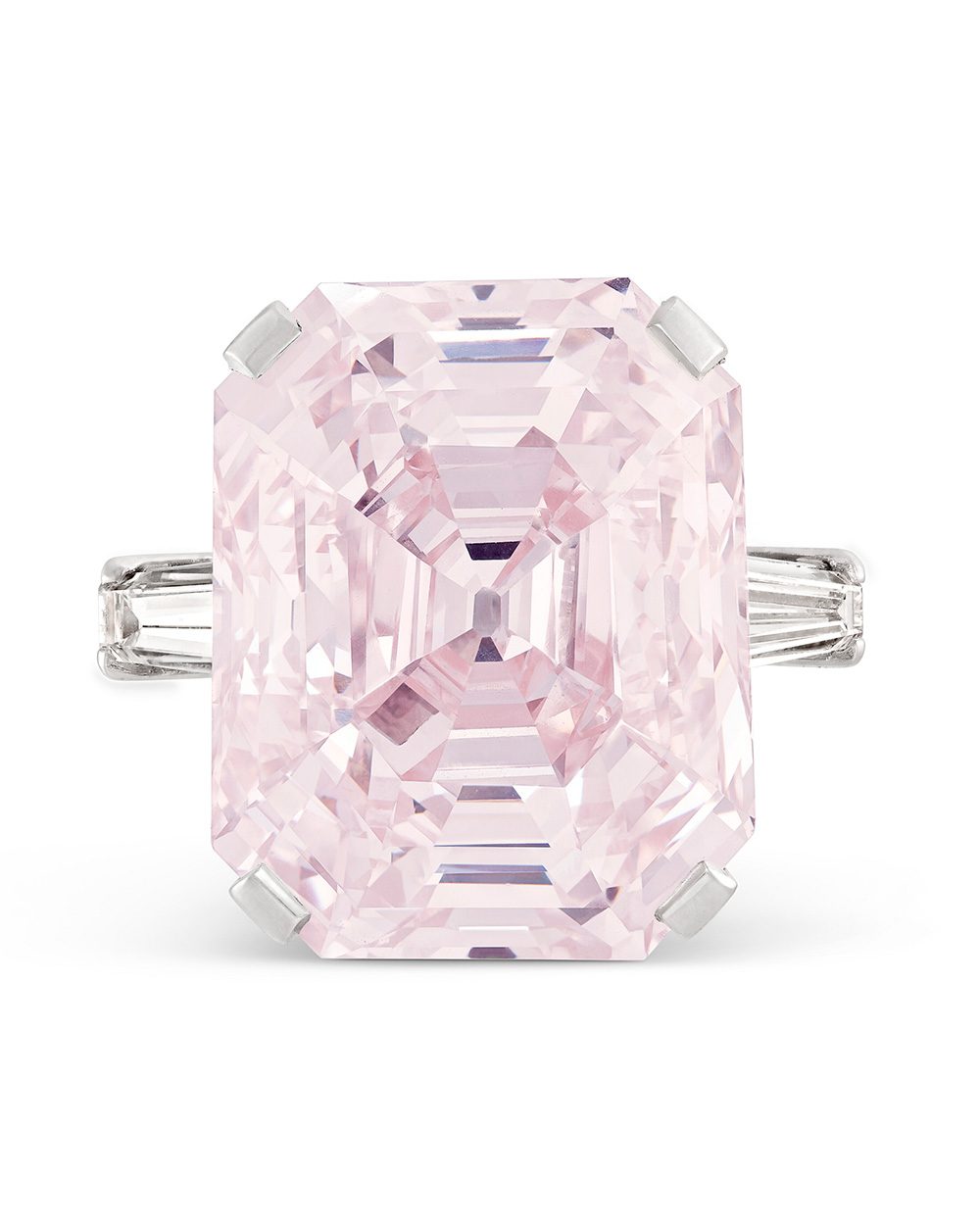
The 24-carat Bulgari Pink sold for $14.8 million at Christie’s Geneva after spending more than 70 years out of public view. The Fancy Intense Pink emerald-cut diamond was acquired in India in the 1950s by the previous owner’s great-grandparents before being entrusted to Bulgari, which set the stone in a platinum ring with tapered baguette diamonds. Its reappearance offered collectors a rare chance to own a diamond with both exceptional color and remarkable provenance.
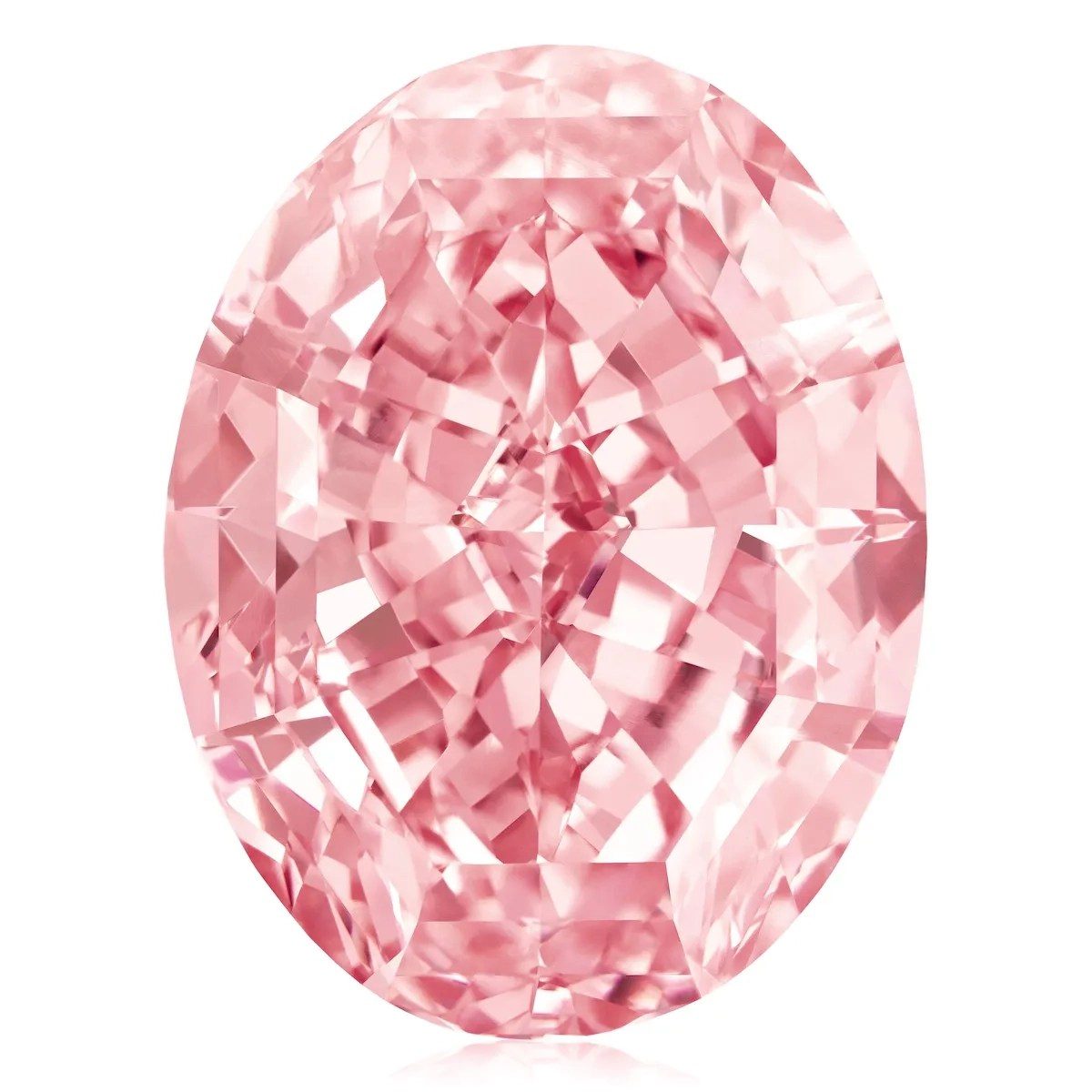
But the world auction record still belongs to the CTF Pink Star. Weighing 59.60 carats, the Fancy Vivid Pink diamond fetched an astonishing $71.2 million at Sotheby’s Hong Kong in 2017, becoming the most expensive jewel ever sold at auction.
The Graff Pink has an equally fascinating history. In 2010, Laurence Graff purchased the 24.78-carat Fancy Intense Pink diamond for approximately $46.2 million at Sotheby’s Geneva. He subsequently had the stone recut to 23.88 carats, enhancing its color and clarity.
More recently, the 11.15-carat Williamson Pink Star sold for $57.7 million in 2022, setting a world auction record for price per carat for any diamond. The following year, the 10.57-carat Eternal Pink fetched $34.8 million at Sotheby’s New York.
What makes these stones so fascinating isn’t simply their staggering price tags. It’s the fact that nature produced so few diamonds with this combination of color, size, and quality. Even among the world’s most celebrated diamonds, pinks are in a class of their own.
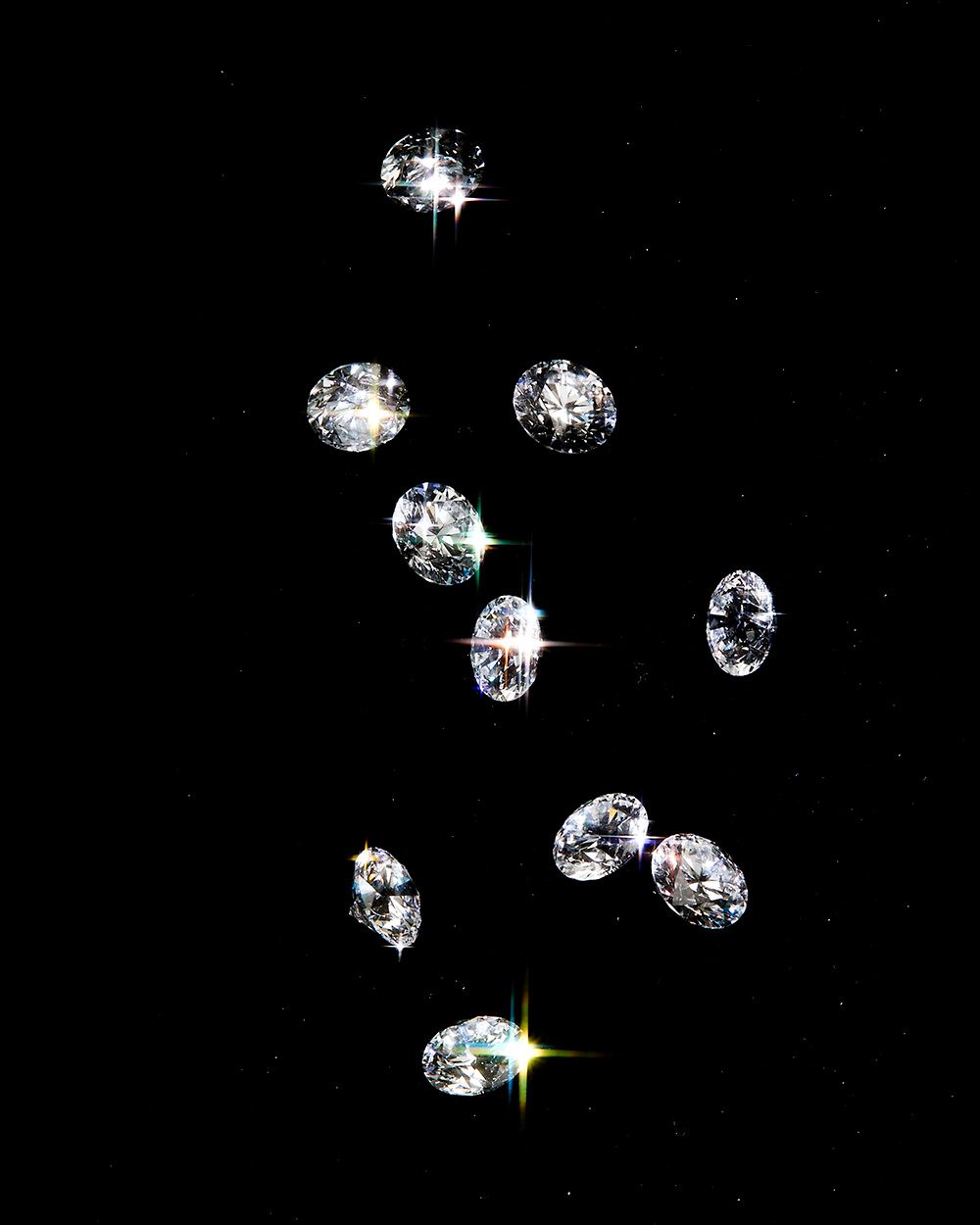
The 4Cs Are Basically Your Diamond’s Birth Chart
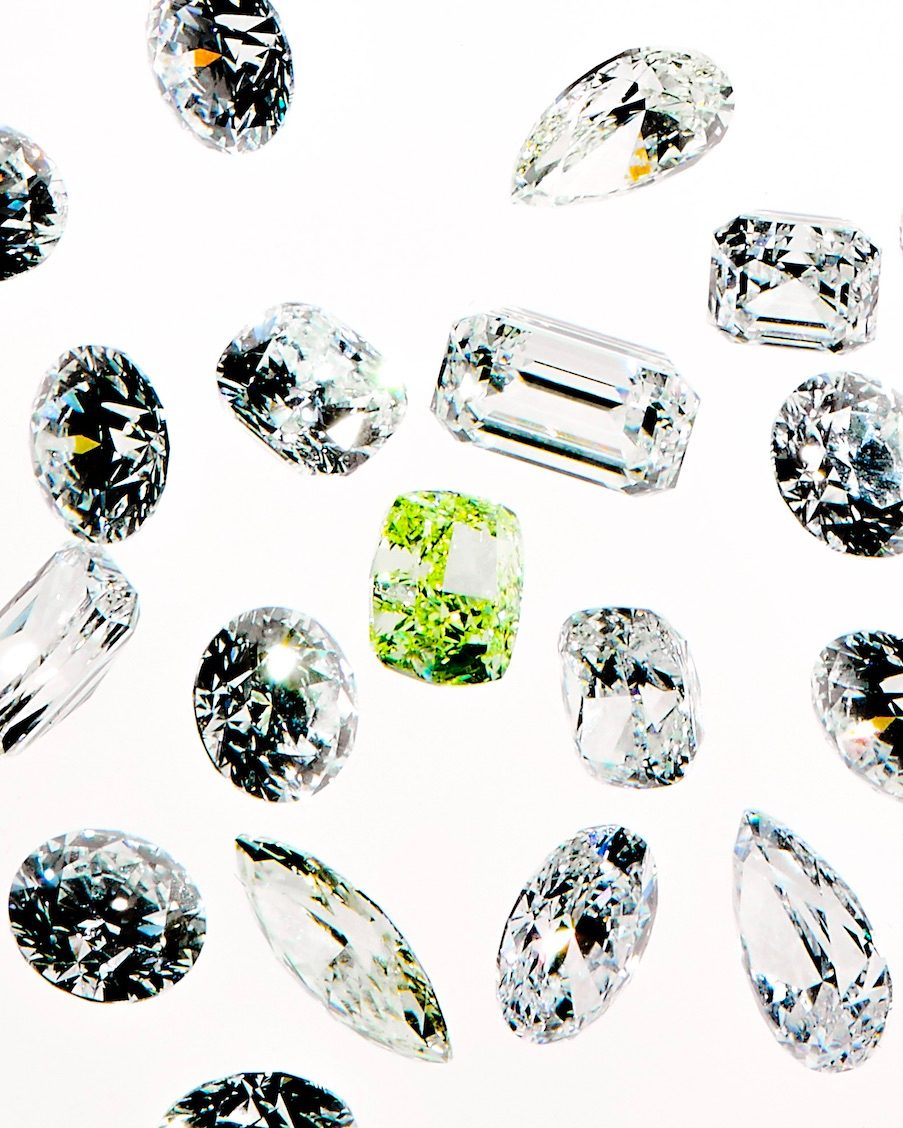
Green Diamonds Have a Radioactive Origin Story
Looking this good is actually a result of atomic damage. Green diamonds have one of the strangest origin stories of all time.
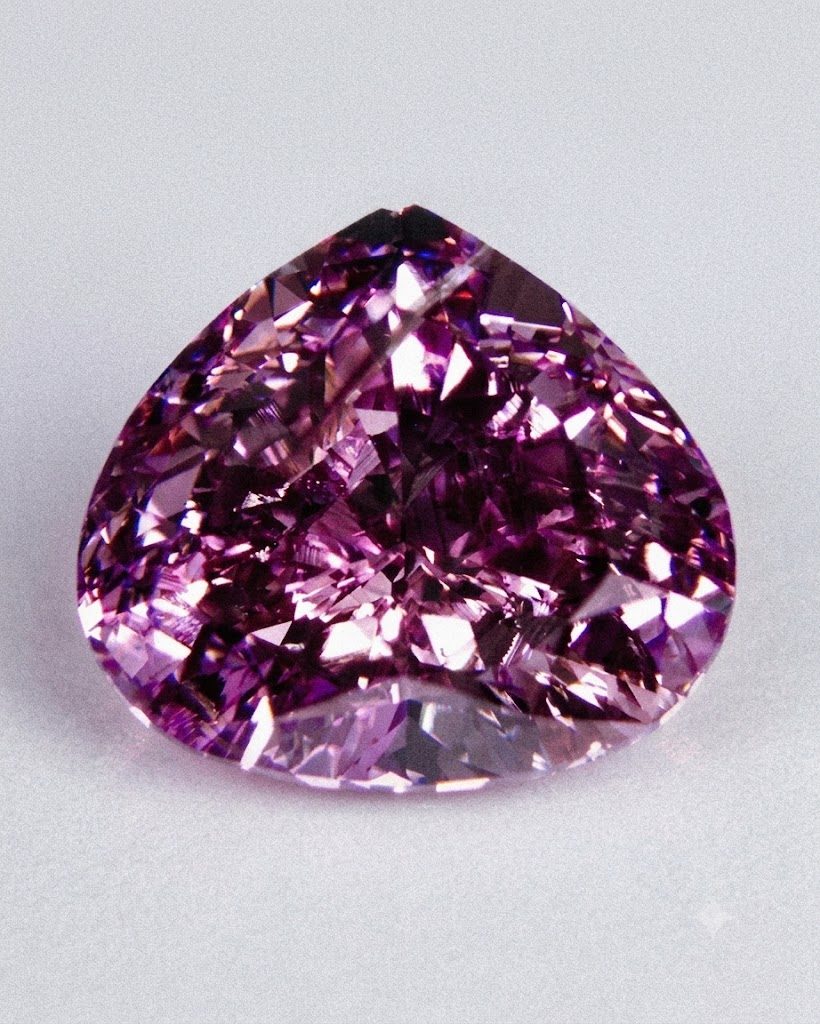
Purple Diamonds Are a Geological Fever Dream
What happens when nature breaks its own rules? A diamond so rare, so strangely beautiful, that even scientists are still trying to understand it.
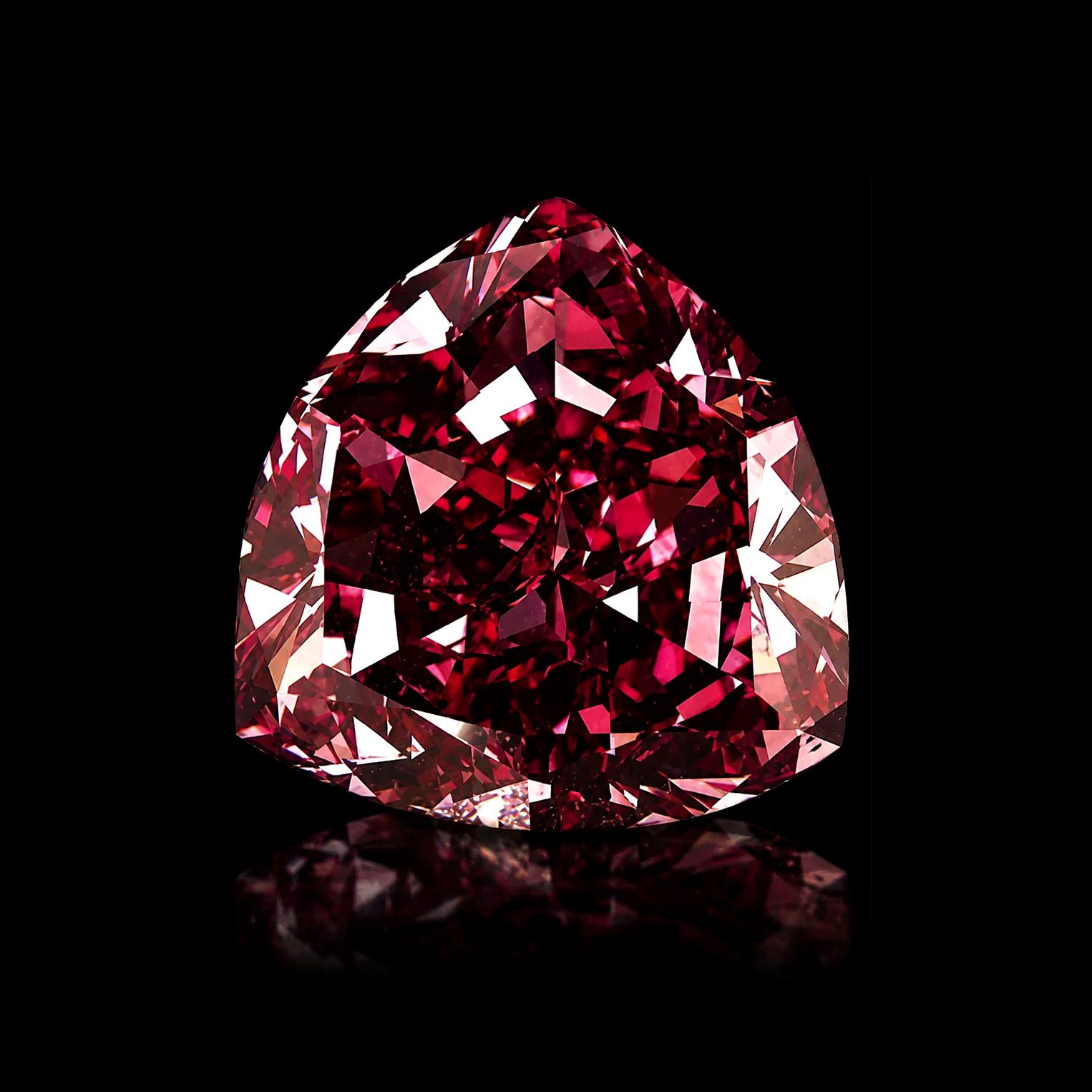
The Moussaieff Red Diamond Is a Beautiful Freak of Nature
The Moussaieff Red Diamond is the largest natural red diamond ever found, a 5.11-carat gem whose extreme rarity means the world may never see another like it.
Get the Newsletter
Sign up for the latest diamond news, delivered directly to your inbox.