What makes a diamond worth $71 million? From rare pinks to brilliant blues, meet the über-rare stones that shattered auction records.
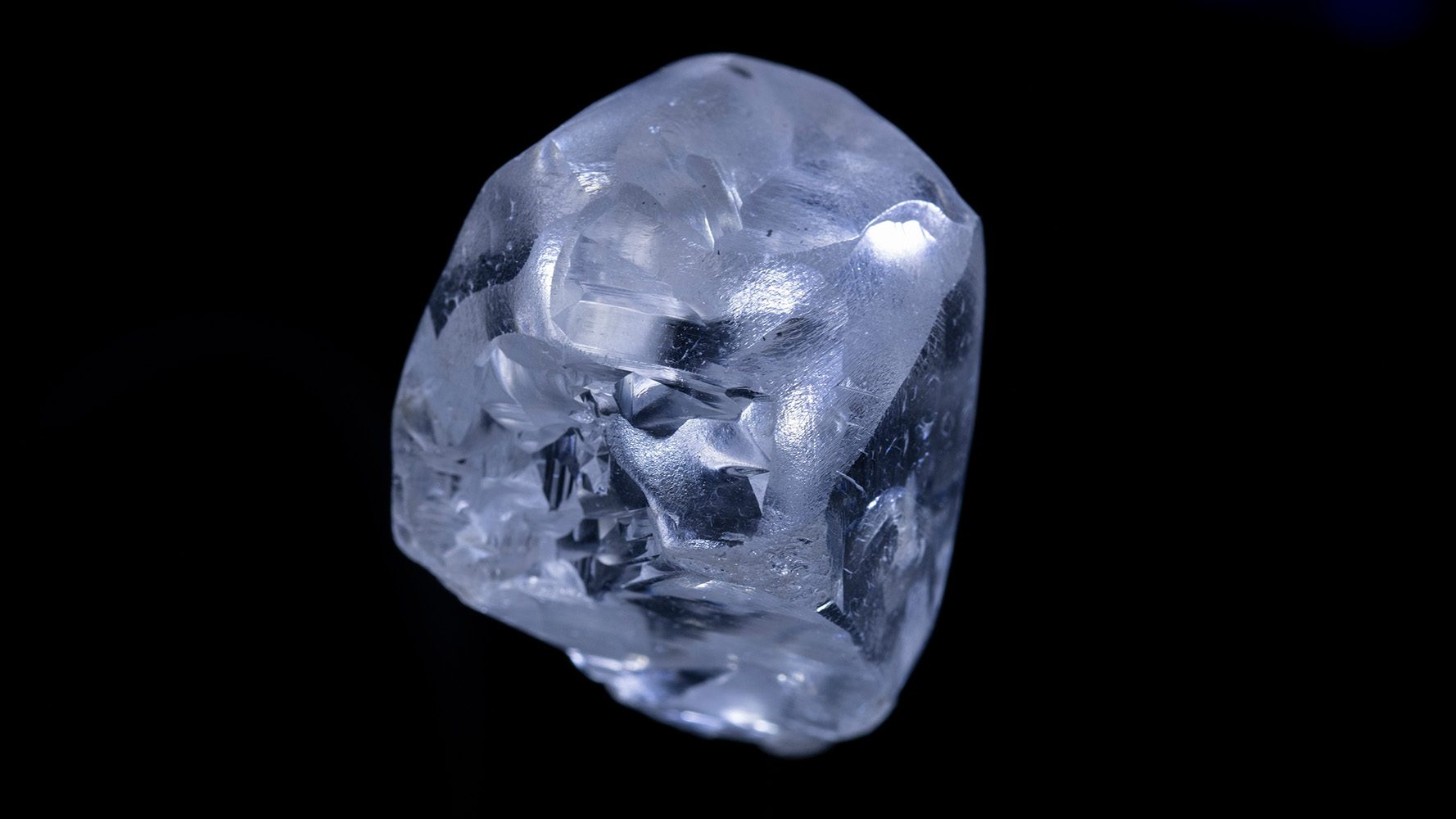
The Owishi Diamond (Courtesy of De Beers)
The Second-Largest Diamond Found in Namibia Just Made Its U.S. Debut
At 176 carats and 1.695 billion years old, the Owishi diamond is an extraordinary discovery. Now, its next chapter could make history in the hands of Namibian artisans.
The Owishi diamond made it to the United States with mere hours to spare. The 176.29-carat rough diamond arrived just ahead of the FAA’s nationwide ground stop on November 13, then made its way up the East Coast to Washington, D.C., for a celebration bringing together two nations.
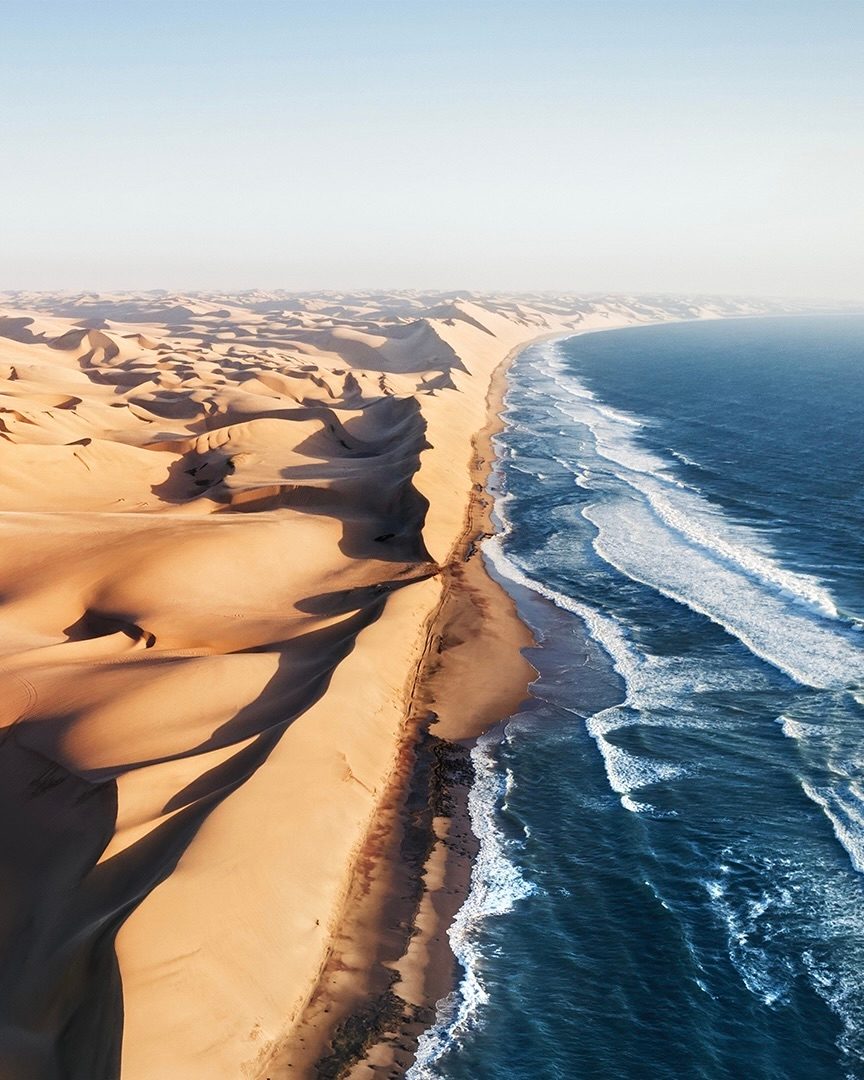
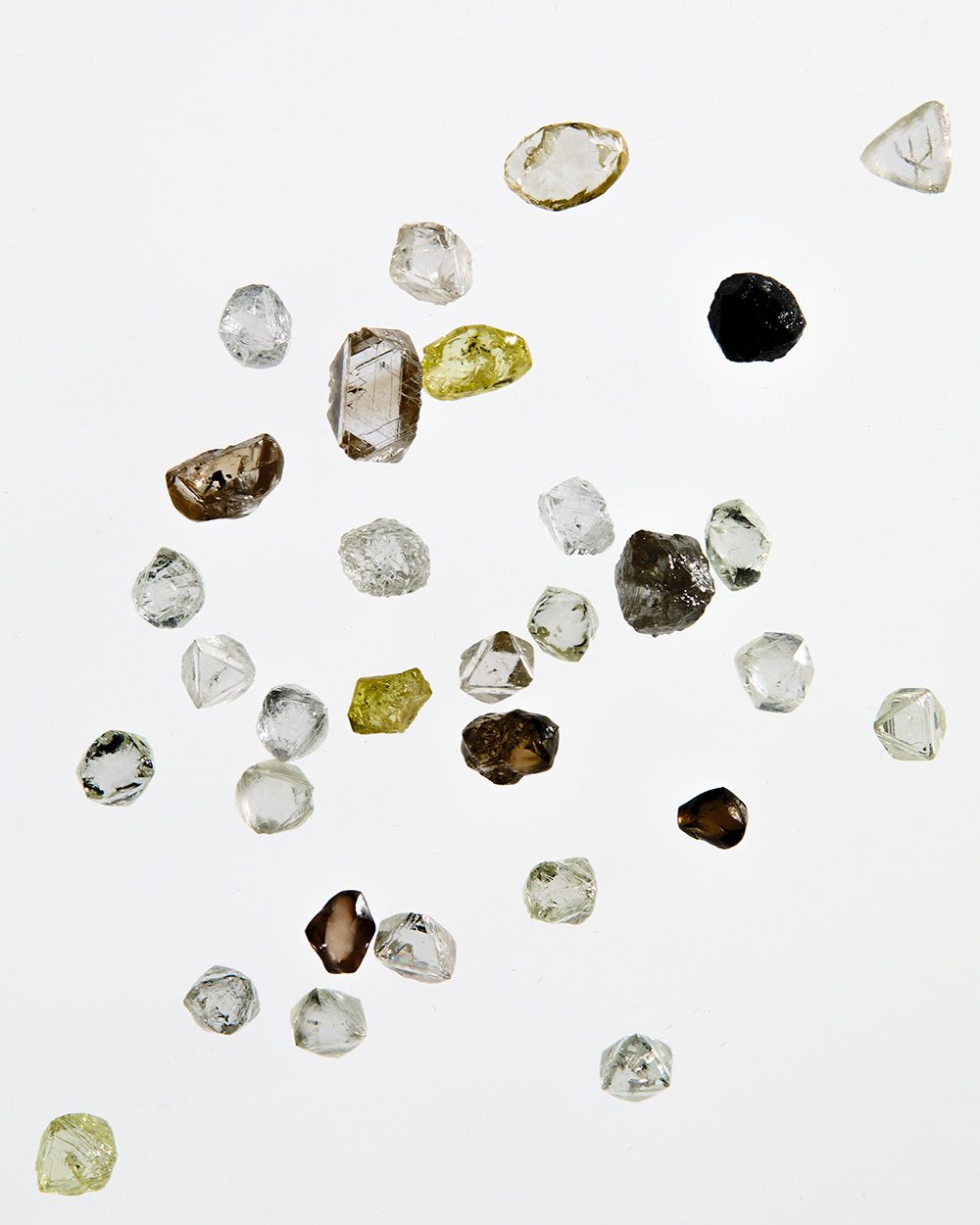
Of course, that’s nothing compared to the epic journey Namibian diamonds take. Formed deep within the Earth, carried to the surface by volcanic eruptions, and freed from ancient kimberlite by erosion, these gems traveled down the Orange River before ocean currents scattered them along Namibia’s desert coastline. Navigating America’s East Coast ports was practically a cakewalk. The Owishi arrived not only as one of Namibia’s most extraordinary diamond discoveries in decades but also as a symbol of its enduring relationship with the United States, whose appetite for diamonds is insatiable.
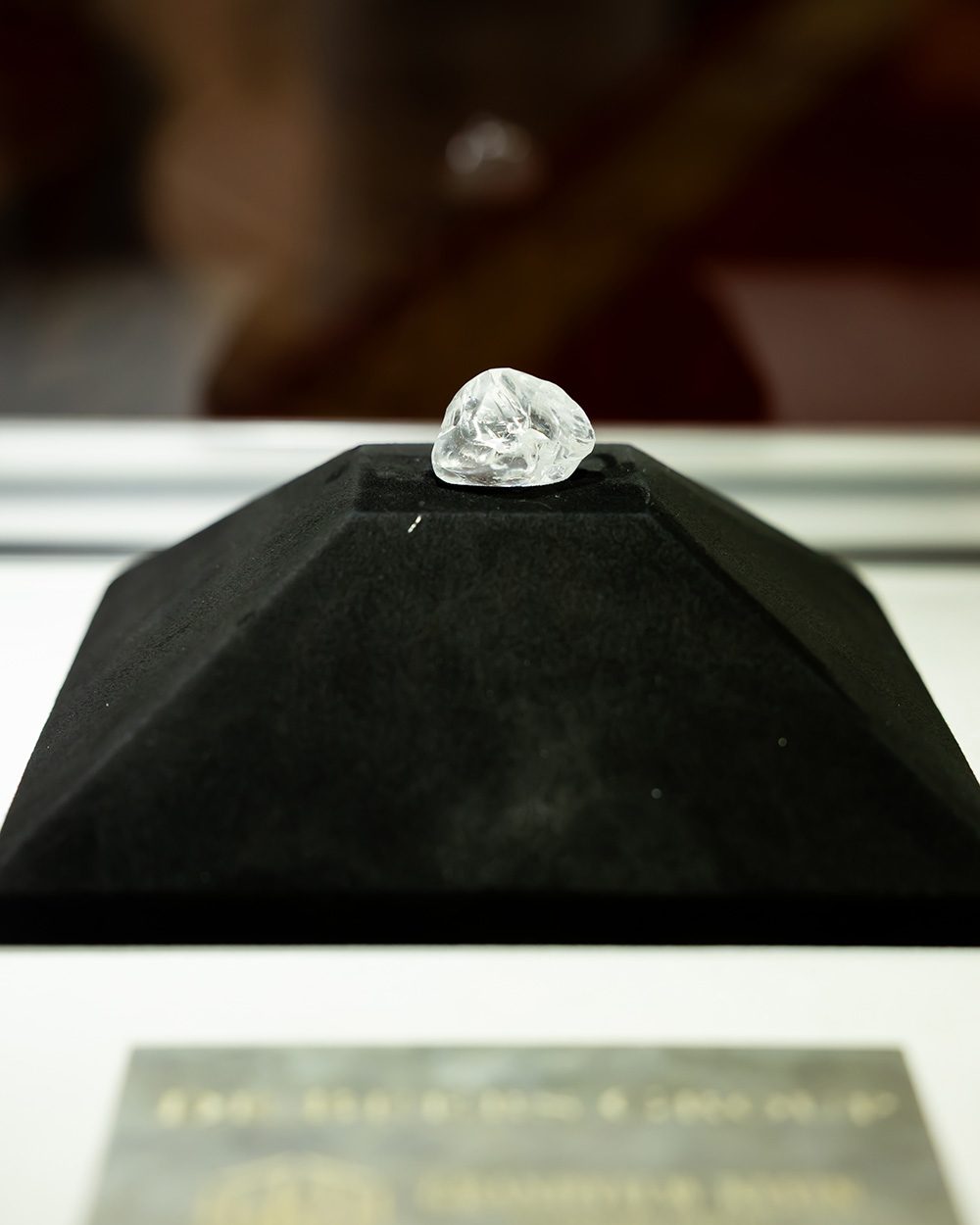
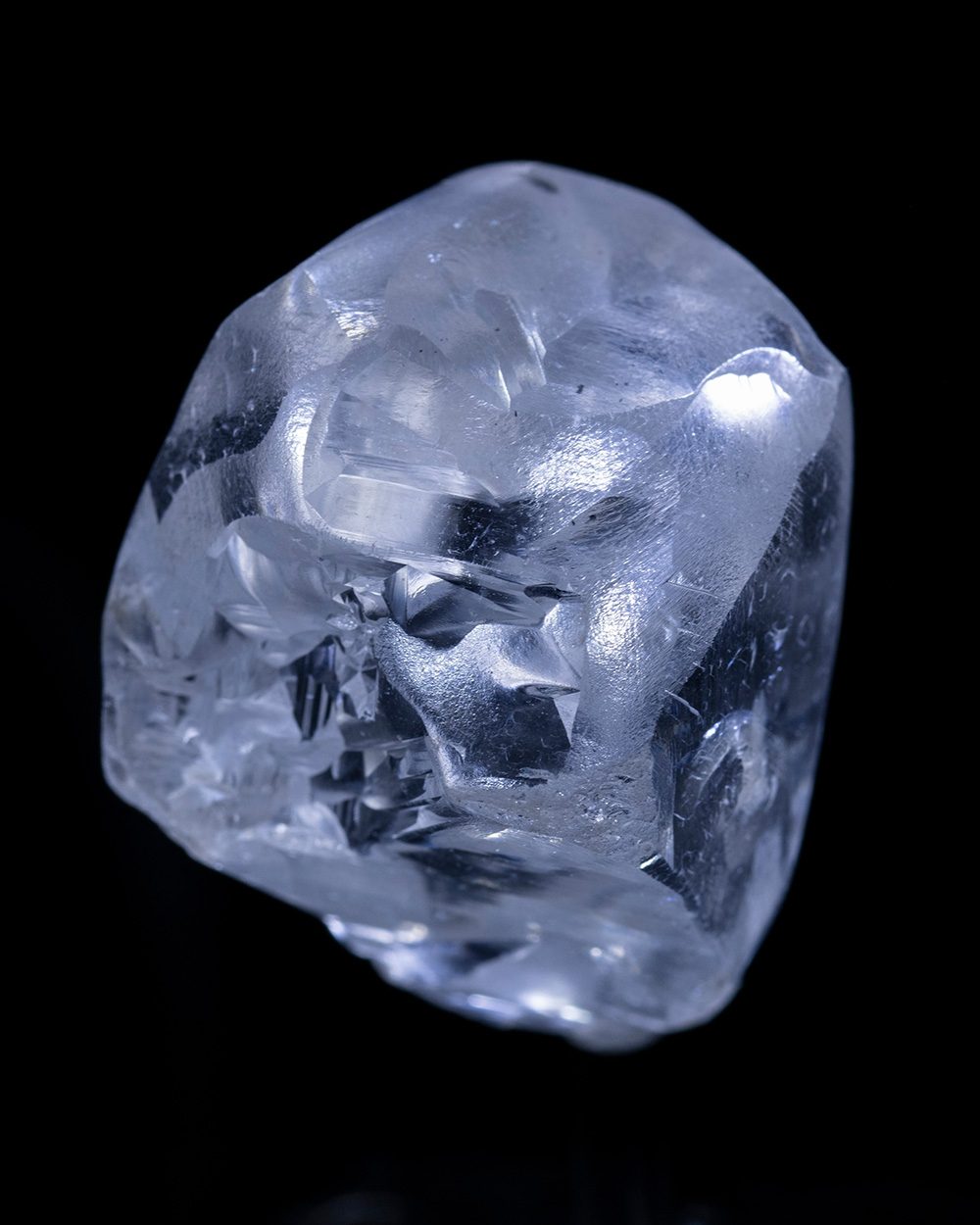
The Diamond Collective was on hand to experience the rough diamond—the size and shape of a ping-pong ball—and discover how this rare gem will shape Namibian culture.
A Diamond on a Diplomatic Mission
The Owishi diamond received a welcome worthy of its stature at The People’s House: A White House Experience in Washington, D.C. Hosted by De Beers Group and Grandview Klein Diamond Group, the reception brought together government, business, and cultural leaders, including His Excellency Wilbard M. Hellao, Ambassador of the Republic of Namibia, and U.S. Ambassador to Namibia John Giordano.
Esteemed guests weren’t limited to admiring the diamond from afar. They had the rare opportunity to hold the 176-carat stone and pose for photographs with it.
In his remarks, Ambassador Hellao highlighted the rarity of the discovery. Unearthed on May 10, 2026, the Owishi is the largest diamond of its kind recovered at Namdeb’s Southern Coastal Mine in Oranjemund in approximately 20 years. The mine is part of a 50-50 partnership between the Namibian government and De Beers Group.
He also spoke about the connection between the two countries and the opportunities diamonds create for Namibia.
“As the United States celebrates its 250th, the ideas of self-determination and opportunity building that have shaped America’s journey since 1776 resonate with Namibia’s own aspiration as a young independent nation at the age of 36. It’s fitting to celebrate this remarkable Namibian Diamond here in Washington, DC, symbolizing the enduring friendship between our two countries,” Hellao said.
He emphasized the importance of beneficiation, the process of creating more economic value within Namibia through local expertise, entrepreneurship, skills development, and greater participation by Namibian businesses in the diamond industry.
Even the diamond’s name is rooted in Namibia’s natural heritage. President Dr. Netumbo Nandi-Ndaitwah officially named the Owishi during a ceremony in Windhoek on September 30. The name comes from a rare type of honey found underground in Namibia. An equally unusual namesake for an exceptionally rare diamond.
The Owishi Means Business
There is another reason the Owishi’s American debut matters. The United States is the world’s largest diamond market, and its appetite for these extraordinary gems supports businesses and livelihoods thousands of miles away.
Introduced by former Miss Universe and Namibia native Michelle McLean, Ambassador Giordano spoke about the economic relationship between the two countries and how diamonds help create opportunities on both sides of the Atlantic.
“Diamonds have long been a cornerstone of our bilateral trade. When Americans purchase these natural diamonds, they support jobs across the United States, from jewelers and importers to marketing and branding teams. At the same time, they support livelihoods, local cutting and polishing, and conservation in Namibia. This is what moving from diplomacy to deals looks like. Commercial partnerships that create opportunity and economic growth for both our countries,” Giordano noted.
“American companies bring transparent governance, local skills transfer, advanced technology, and long-term capital. American consumers value quality, provenance, authenticity, and sustainability. The Owishi Diamond reminds us of what is possible when natural resources need American enterprise, investment and commercial partnerships that deliver tangible results for both our countries,” he continued.
The Next Chapter Is Cut in Namibia
At 176.29 carats, the Owishi is already an extraordinary discovery. But for De Beers Chief Group Commercial Officer Mahiar Borhanjoo, what happens next is even more thrilling.
“The Owishi will become several beautiful diamonds, but it’s the next chapter where the rarity happens. It’s going to take it one step further. These beautiful diamonds are going to be polished in Namibia by Namibian artisans and will stay within the blockchain and be the largest polished diamonds to ever come out of Namibia,” he said, noting Grandview Klein’s positive impact on the Namibian diamond industry.
The current plan is to transform the Owishi into five major polished diamonds: two old mine-cut cushions estimated at 30.80 and 30.42 carats, both projected to be Type IIa, D-color, internally flawless stones; a 10.25-carat oval (D, SI2); a 7.5-carat pear (D, SI2); and a 5.12-carat pear (D, IF). The final weights and grades will be determined after cutting and polishing.
The Real Value of a Diamond
While those impressive numbers are part of the appeal, for Borhanjoo, there’s another important facet of how the partnership between De Beers, Grandview Klein, and Namibia creates opportunities for local communities.
“Beneficiation is aimed at bringing the country benefit. It’s more than teaching people how to polish diamonds. We’ve had finance people learn about this industry and business, and legal lawyers who understand it. But also, a polisher who started 20 years ago in Grandview Klein and is now the managing director of the Namibian company Grandview owns,” Borhanjoo said.
“The concept of Origin, which Owishi is a part of, is capturing the essence of the people and communities it helps support.”
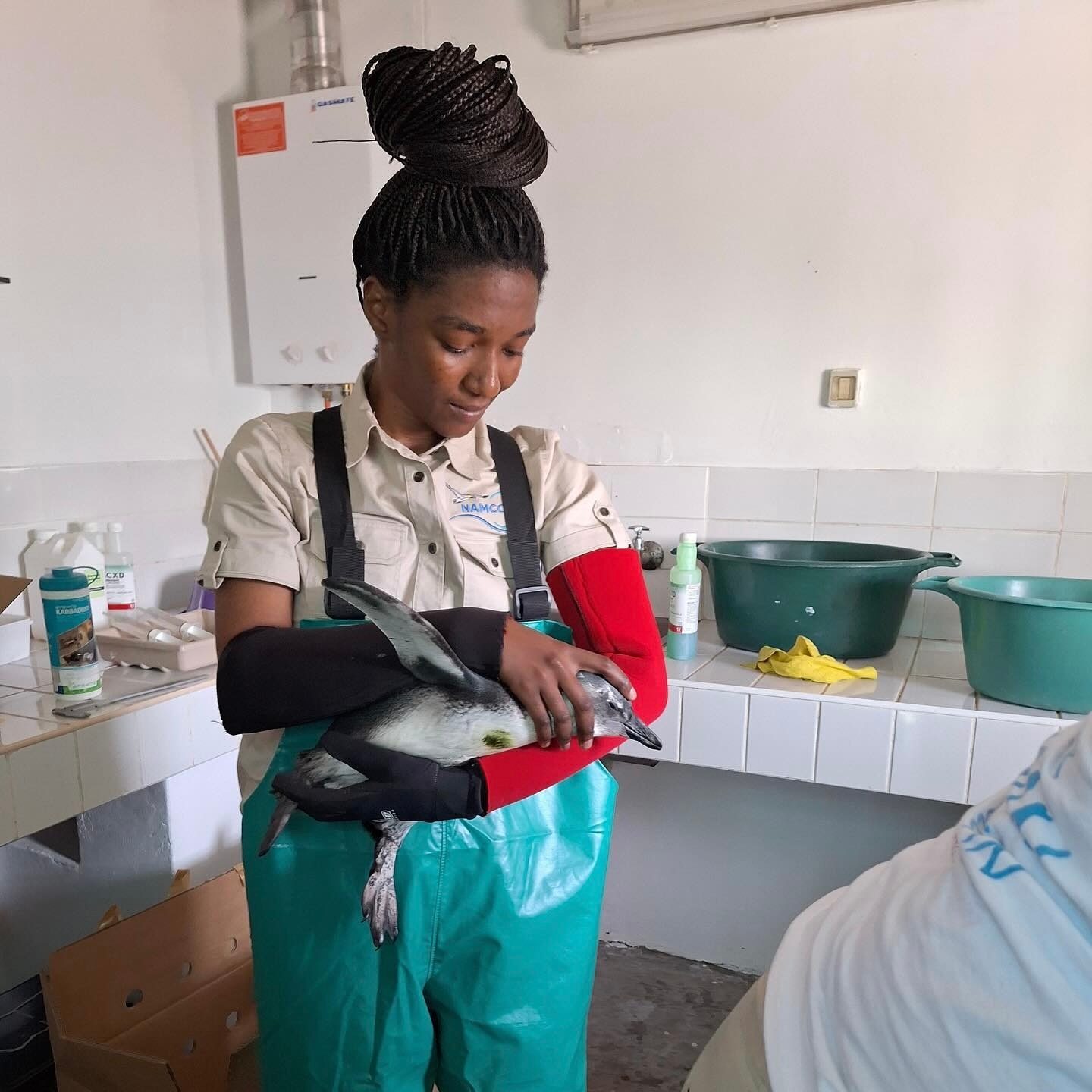
Environmental stewardship is another important part of that story. Namdeb’s conservation efforts extend well beyond its diamond mines, supporting wildlife research, habitat rehabilitation, and the protection of threatened species, including the critically endangered African penguin.
These stories of people, place, and environmental care are becoming an increasingly important part of a diamond’s identity. Through De Beers’ ORIGIN program, powered by its Tracr blockchain technology, information about a diamond’s provenance and journey can follow it through the supply chain. The goal is to connect each finished diamond to its origins and the people who helped transform it.
“For the longest time, we allowed the diamond to tell its own story. It’s time for us to let the people who channel positive energy into the rough diamond through the polishing process tell their story. The consumer knows when they’re buying a natural diamond, people have added value and care, and that they are helping communities,” he continued.
But beyond the diplomacy, economic impact, and remarkable craftsmanship still to come, there is something about the Owishi that defies the numbers. For Borhanjoo, the greatest wonder is its age.
“How can you think about holding something like the Owishi diamond that’s 1.695 billion years old in your hand and not be in awe? If you think about this moment in time, it’s a blip, and the stone has captured time,” he added.
The 10 Most Expensive Diamonds Ever Sold at Auction
Pink Diamonds Make Pressure Look Good
Nothing compares to natural pink diamonds.
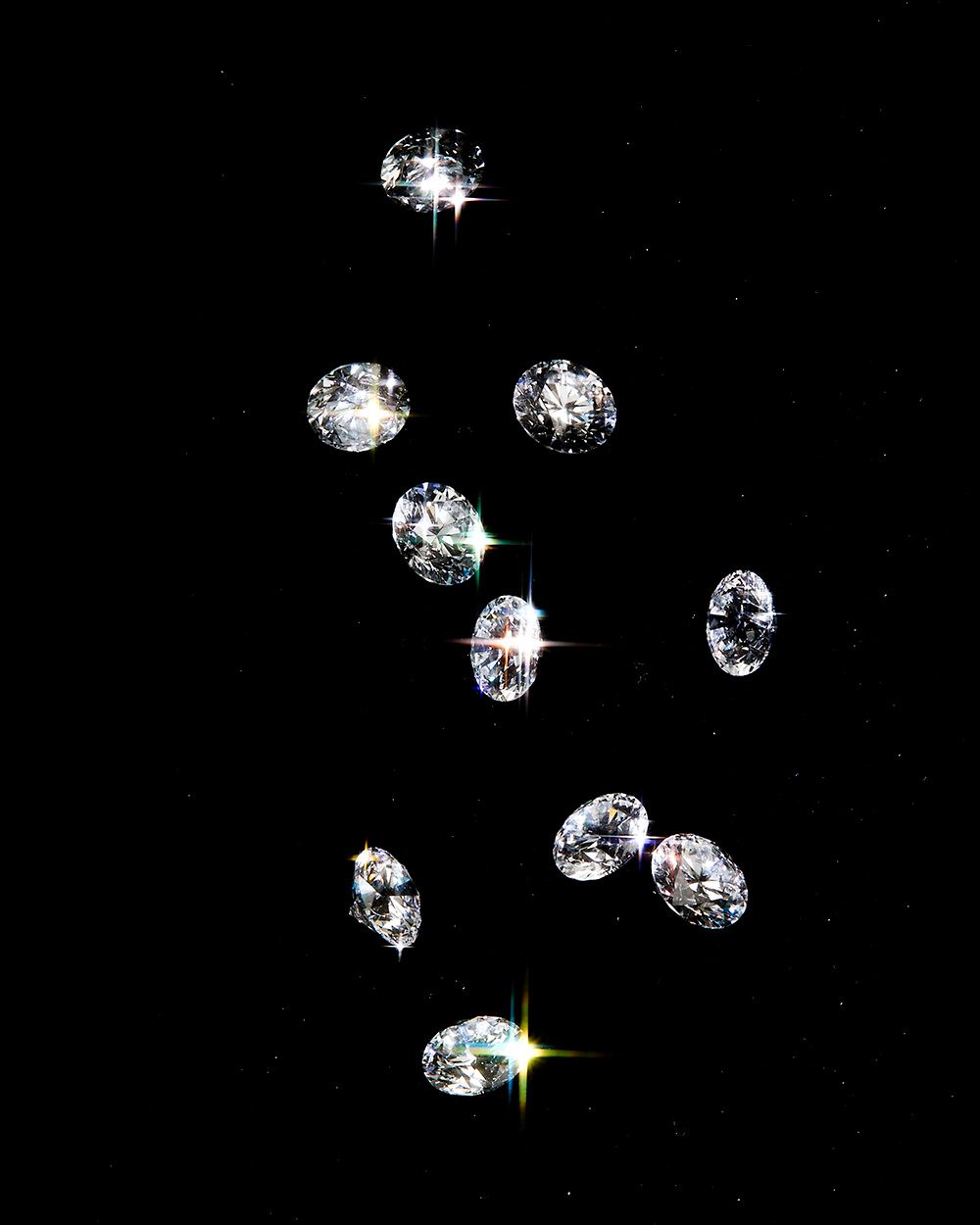
The 4Cs Are Basically Your Diamond’s Birth Chart
Every diamond is one of a kind. Think of the 4Cs as a birth chart, revealing the unique combination of Cut, Color, Clarity, and Carat that shapes your stone's personality, sparkle, and character.
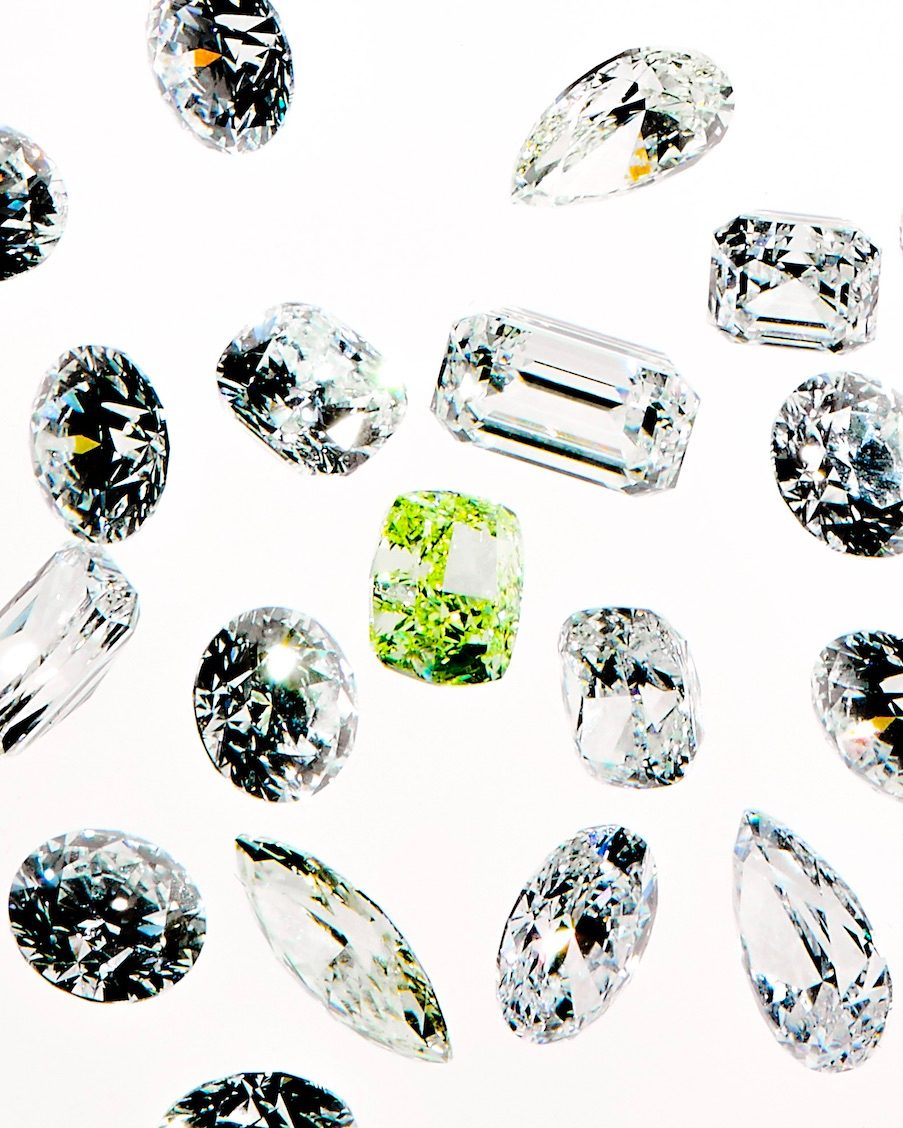
Green Diamonds Have a Radioactive Origin Story
Looking this good is actually a result of atomic damage. Green diamonds have one of the strangest origin stories of all time.
Get the Newsletter
Sign up for the latest diamond news, delivered directly to your inbox.