How natural diamonds have shaped the life of Minister Kenewendo and the opportunities that diamonds hold for Botswana’s future.
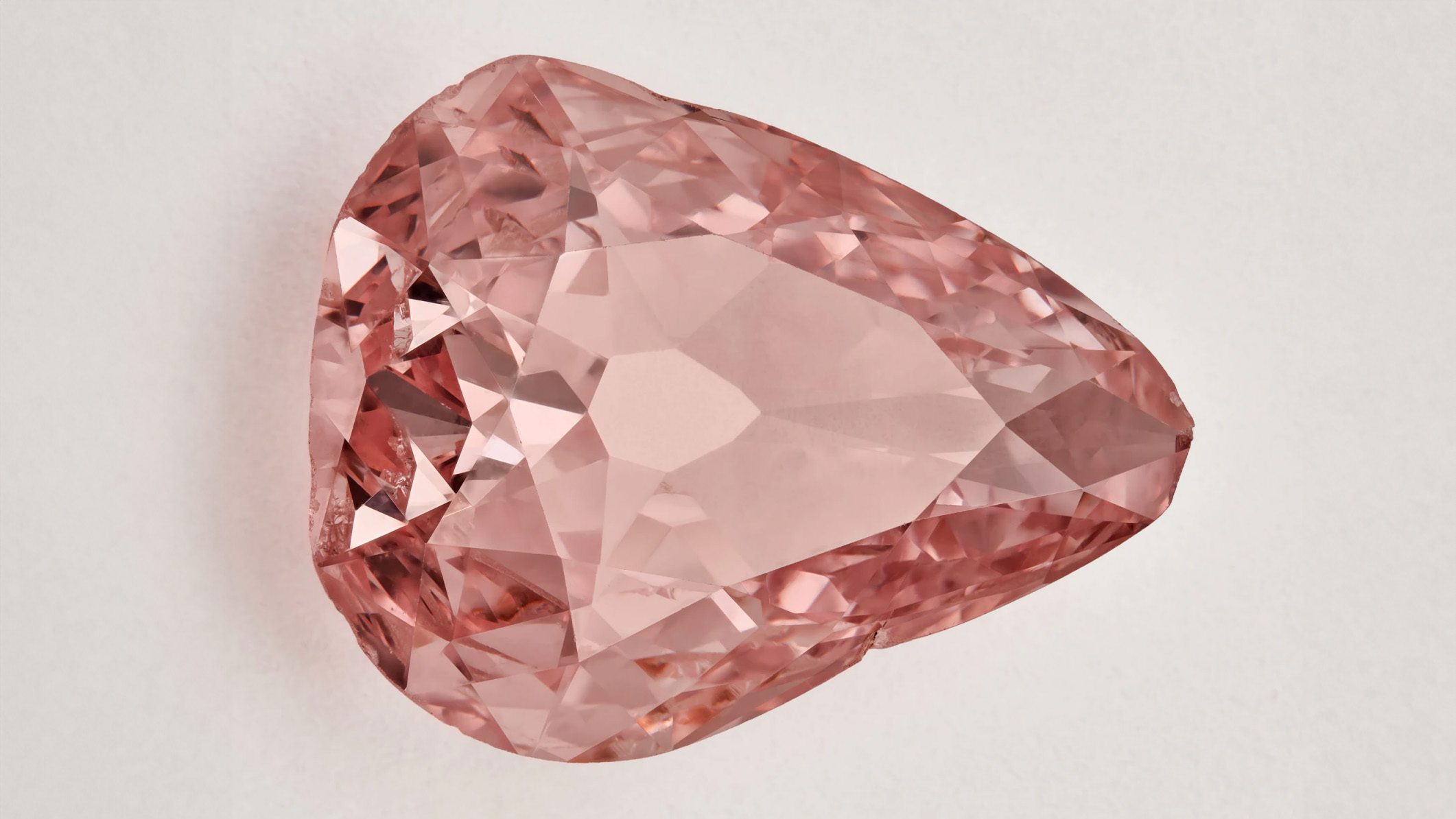
The Grand Conde Diamnd (© L’ÉCOLE, School of Jewelry Arts, Benjamin Chelly)
The Curious Case of the Grand Condé Diamond
In 1926, a chambermaid bit into an apple and found a stolen 9.01-carat pink diamond. A century later, the Grand Condé is finally back in the spotlight.
It’s been a full-circle moment for the legendary Grand Condé Diamond. Inside the Cabinet des Gemmes at the Château de Chantilly, a single vitrine now draws a quiet cadre of admirers and expectant crowds. Illuminated behind secure glass rests the pink diamond itself – a beguiling, 9.01-carat, irregular pear-shaped drop of rose-pink brilliance that’s less a traditional gemstone than a captured miracle, finally brought to light.
For decades, visitors admired a replica while the real stone stayed locked away. Now the original is back in Le Diamant Rose (The Pink Diamond), an exhibition organized with L’ÉCOLE, School of Jewellery Arts and the Musée Condé, which also unveils archival material never seen before. Up close, the stone is softer than you’d expect. Not fiery, nor flamboyant. Just the faintest blush of rose, shaped by its antique cut.
The Crown, the Crime, the Comeback
Long before it became a museum icon, the Grand Condé Diamond was the ultimate flex of 17th-century power. Believed to have been unearthed in India’s legendary Golconda mines, the rose diamond takes its name from Louis II de Bourbon, the 21-year-old military prodigy who routed the Spanish at the Battle of Rocroi in 1643, and received the gem as a tribute to his victory. It was first documented in 1740 as a ‘diamond of rose color’ and remained a cherished heirloom across generations of royal ownership.
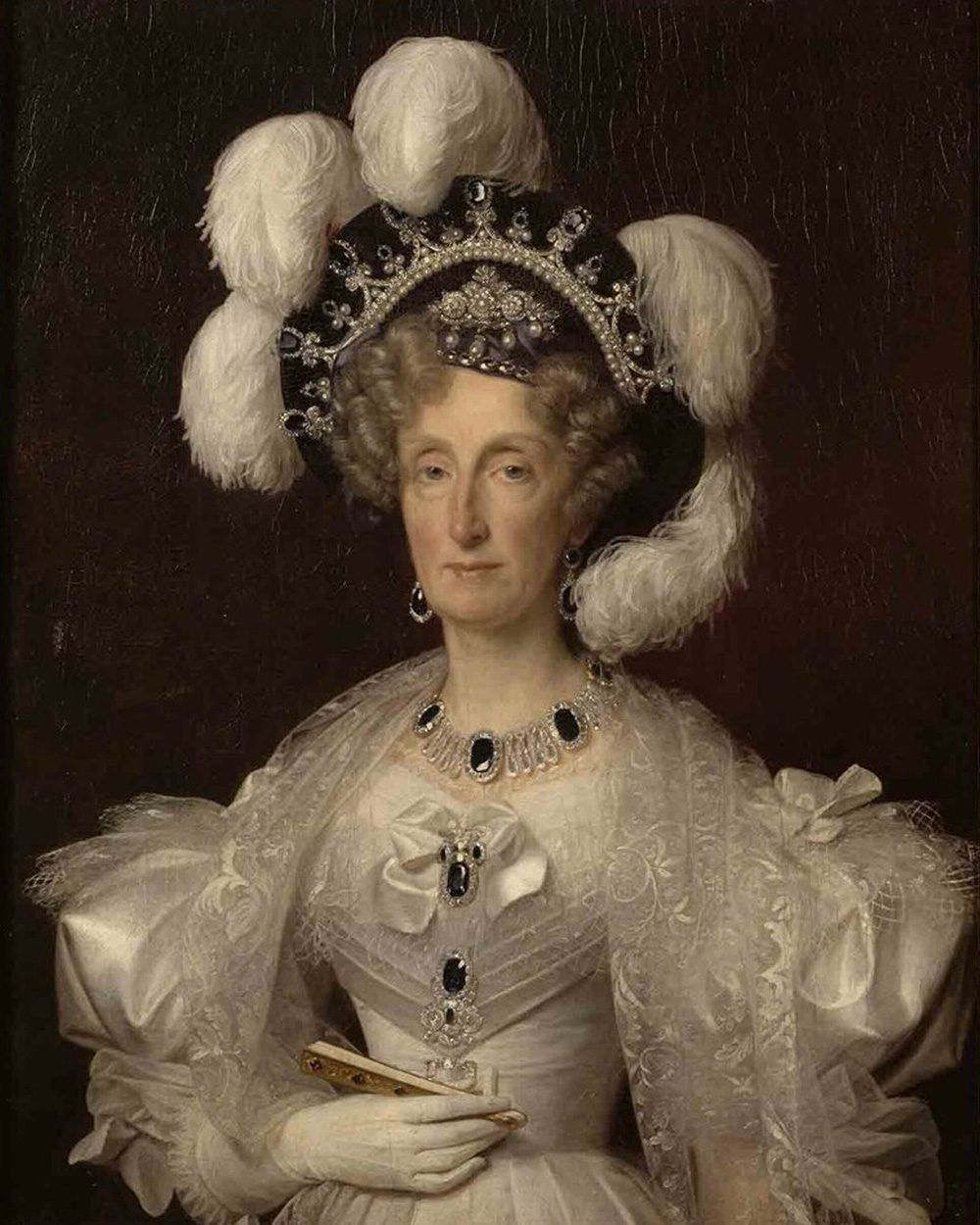
For over a century, the Grand Condé Diamond rested securely in the family vaults until the violent upheaval of the French Revolution. When the monarchy collapsed in 1792, revolutionaries seized the Crown Jewels and private aristocratic collections, sending the Grand Condé into the turmoil of Europe. Decades later, as political tides shifted, the diamond quietly navigated its way back to the Condé heirs, passing through Queen Marie-Amélie to her son, the Duke of Aumale.
In October 1926, the Grand Condé Diamond faced its boldest test. Two thieves raided Chantilly overnight, snatching the precious gem before concealing it inside a hollowed-out apple, of all places. Days later, the getaway unraveled in a Paris hotel, where a chambermaid bit into fruit left in a guest’s suitcase and found the diamond. Recovered and returned to the vaults, it has been closely guarded ever since.
A Puzzling Pink
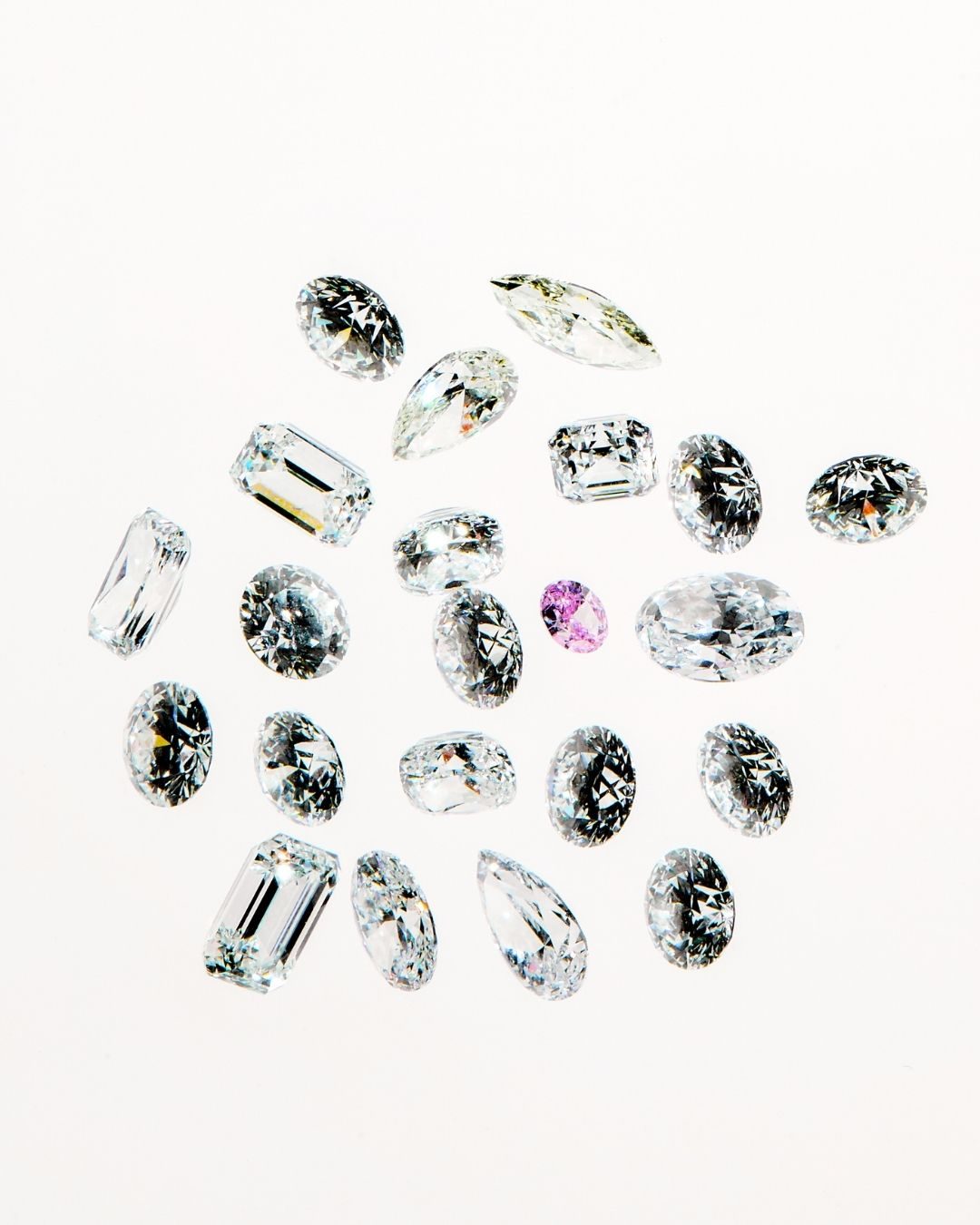
Diamonds are classified into two main categories. Most natural pink diamonds belong to the Type Ia category, characterized by nitrogen impurities. Yet large pink specimens are exceptionally rare. The Grand Condé belongs to the latter –the elite Type IIa class, prized for its chemical purity, which imparts an exceptional transparency and brilliance, containing virtually no detectable nitrogen or boron, and representing less than two per cent of all natural diamonds
Natural pink diamonds are among the most elusive stones on earth, accounting for less than 0.1 percent of all gem-quality diamonds ever mined. While yellow diamonds borrow their warmth from nitrogen and blues draw their cool hue from boron, pinks tell an entirely different story. Their color stems from plastic deformation, an intense geological pressure that permanently shifts carbon atoms out of alignment and changes how the crystal absorbs light. Far more often, this crushing stress produces a brown diamond. Achieving a gentle rose pink requires almost a stroke of planetary luck that typically leaves fine bands of pink graining running through the stone.
However, the Grand Condé Diamond breaks this rule under the microscope, remaining strangely devoid of any signs of pink graining. Instead, its blush is strikingly uniform, with a hint of orange-pink throughout. With the usual evidence of structural deformation missing, gemmologists have long puzzled over how its color formed, and the answer remains a tantalizing mystery.
Beauty Is in the Imperfections
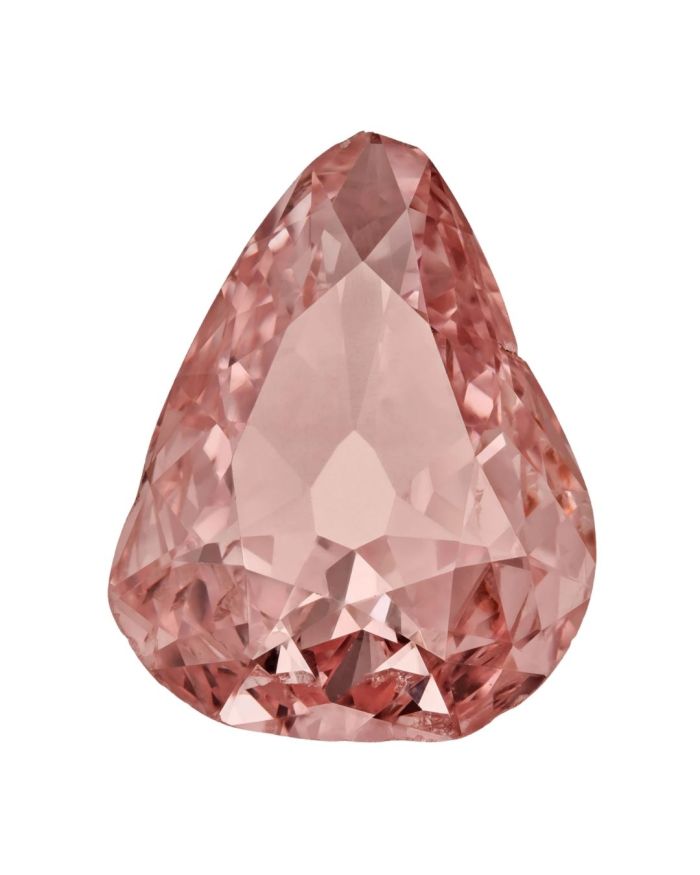
Its asymmetrical, shallow pear-shaped cut offers another intriguing glimpse into its lapidary craft. Shaping a rough pink diamond is a high-stakes gamble: unlike colorless stones carved for geometric symmetry, a pink rough demands that the cutter trade carats for color intensity, carving away substantial material to prevent the delicate blush from washing out. In shaping the Grand Condé’s asymmetrical, shallow pear form, the cutter likely had to sacrifice significant weight and add extra facets beneath to lift its brilliance.
When Rarity Breaks Records
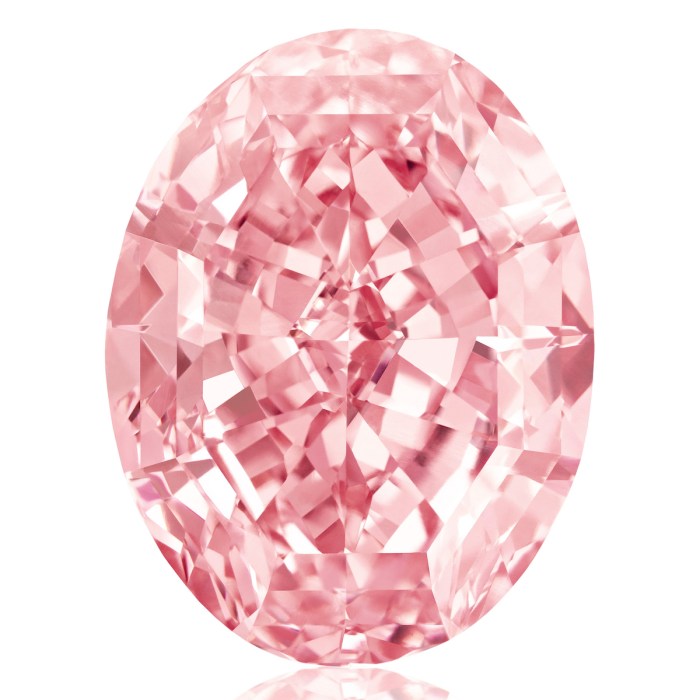
The sheer scarcity of Type IIa pink diamonds helps explain why exceptional specimens command such staggering auction prices. The 59.60-carat Pink Star fetched $71 million, while the Williamson Pink Star set a remarkable record of over $5.2 million per carat.
Yet the Grand Condé’s allure goes far beyond its flawless pink beauty. Having survived revolution, a daring heist, and a getaway inside an apple, this legendary gem carries stories of pure intrigue and ambition, and even captures the passage of time.
Now back in the spotlight, it takes center stage at Le Diamant Rose, running until 3 January 2027 at the Château de Chantilly. It’s a rare chance to stand before a jewel that nature and fate almost never allowed to exist.
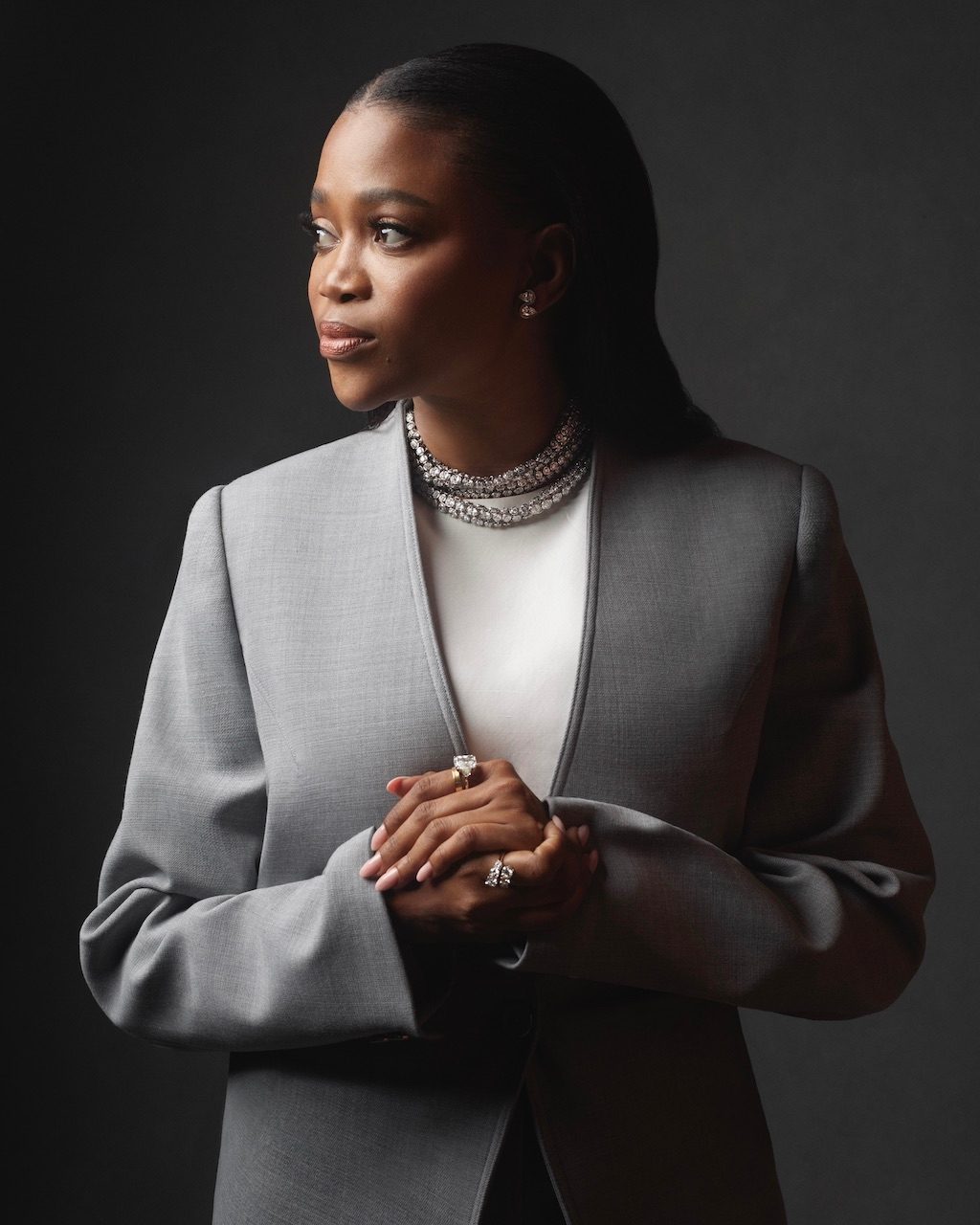
The Woman Shaping the Future of Botswana’s Diamonds
A Wing and a Prayer
In Namibia, the diamond producing communities are unexpectedly—and expertly—saving the African penguin.

Tshireletso Seoromeng Is Growing Something Extraordinary
She started at 22 with one crop of mint. Eight years later, Tshireletso Seoromeng's Erba Farm supplies 21 stores locations across Botswana, thanks in part to support from the diamond industry.

Vandilson Almeida Finds the Extraordinary in Everyday Luanda
For Angolan photographer Vandilson Almeida, the most profound moments are often the ones we overlook. His intimate portraits of Luanda reveal a city alive with beauty, connection, and possibility.
Get the Newsletter
Sign up for the latest diamond news, delivered directly to your inbox.