

Diamond miners in Canada are prioritizing giving back to the community

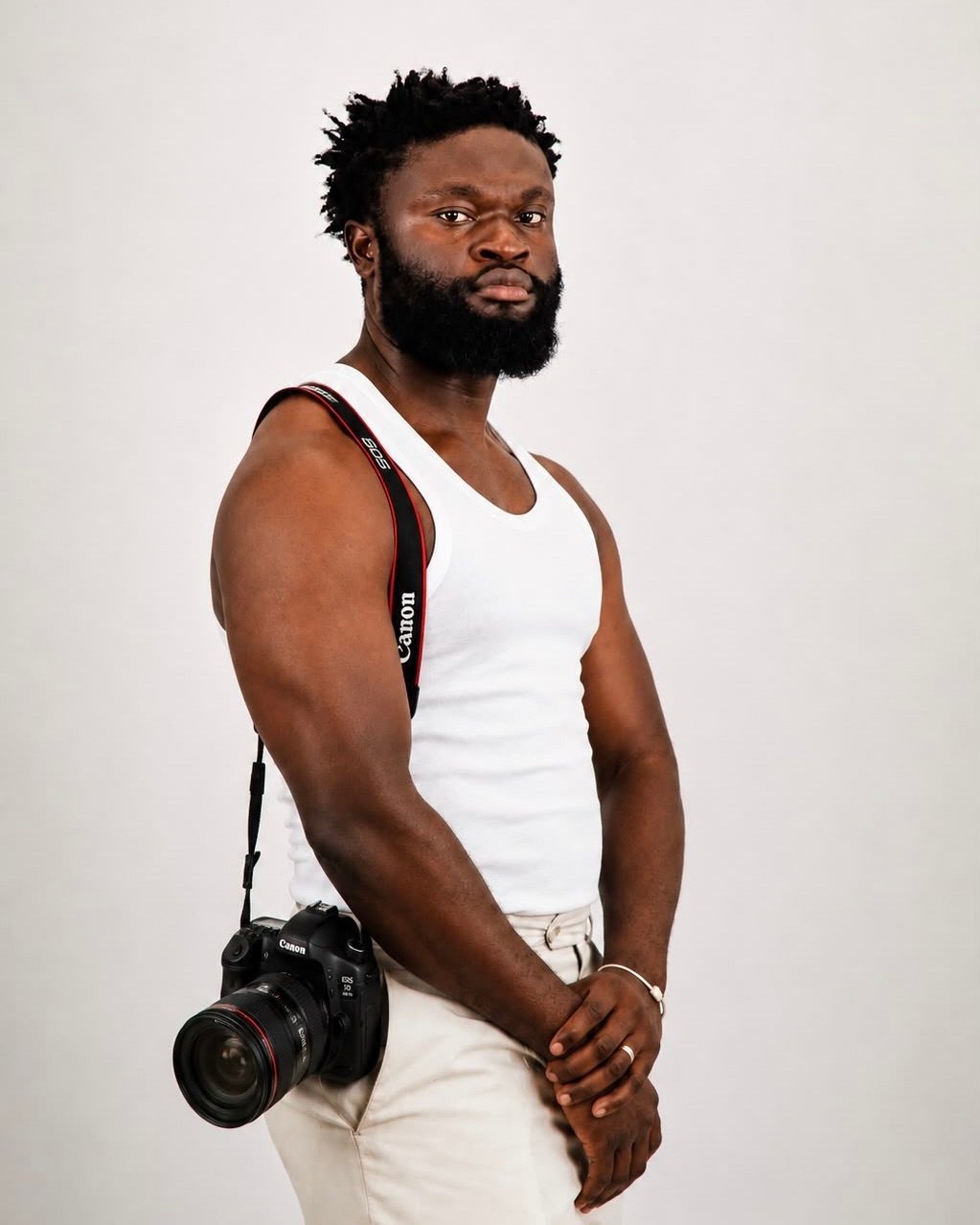
(Photographed by Vandilson Almeida)
Vandilson Almeida Finds the Extraordinary in Everyday Luanda
For Angolan photographer Vandilson Almeida, the most profound moments are often the ones we overlook. His intimate portraits of Luanda reveal a city alive with beauty, connection, and possibility.
A city reveals itself through its smallest gestures. In the movement of a hand, the exchange between strangers, the momentary arrangement of bodies in a street, something of its character becomes visible. For the Angolan photographer Vandilson Almeida, Luanda is not simply a place to be documented, but a world to be encountered. His photographs emerge from the continuous unfolding of everyday life, finding their subjects among market vendors, workers, passersby, and the countless interactions through which the city comes into being.
As Almeida himself describes the city that animates his practice:
“The Luanda I seek to reveal is the city that lives through its people. It is the Luanda of markets, taxi ranks, bustling streets, conversations between strangers, women who support their families through trade, and young people who, amid responsibilities and difficulties, continue to imagine a different future.”
There is a particular tenderness in Almeida’s way of looking. His photographs do not seek the extraordinary, nor do they attempt to transform ordinary existence into spectacle. Instead, they dwell upon the textures of daily life, allowing gestures, expressions, and relationships to acquire their own vibrant significance. The city appears as something living and unfinished, composed as much of human proximity as of streets, buildings, and public spaces.
A Living Portrait of Luanda
Almeida’s relationship with Luanda is also profoundly autobiographical. Born in Maianga, with formative connections to Prenda and Rua do Chafariz, and now living in Cassenda, he approaches the city through places that are inseparable from his own memories. These neighborhoods are not merely geographical locations but repositories of experience, human relationships, and transformation.
For Almeida, photography also carries a responsibility towards memory. His images become fragments of a larger, continually changing portrait of the city, preserving moments that might otherwise disappear into the passage of time. As he explains:
“I want my photographs to serve as a visual memory of our time, allowing future generations to understand not only what Luanda looked like, but also how the people who inhabited it lived, worked, dreamed, and resisted.”


The Art of Paying Attention
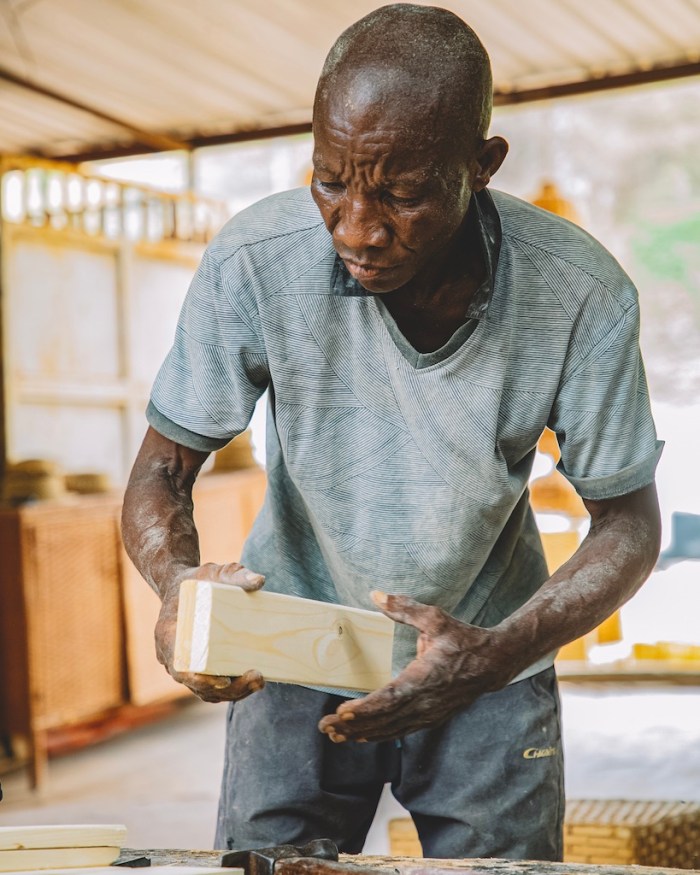
Almeida moves through Luanda without a predetermined image in mind. His practice is guided by encounters rather than assignments, by the possibility that something unexpected might reveal itself in the course of an otherwise unremarkable day. He rarely asks his subjects to pose, preferring to photograph them within the natural continuity of their activities. What emerges is a visual language shaped by spontaneity, but also by an acute sensitivity to the fleeting arrangements of everyday experience.
The resulting photographs inhabit an interesting space between observation and intimacy. The photographer is present, making decisions about distance, framing, and composition, yet the world within the image seems to retain a life beyond his intervention. People remain absorbed in their own activities, connected to one another and to the environments they occupy. Rather than imposing a definitive meaning upon these scenes, Almeida allows their significance to remain open.
It is here that his photography becomes an exploration of attention itself.
“I believe photography begins long before we raise the camera. It begins in the way we observe the world, in our ability to pay attention to what often goes unnoticed by others. What makes me stop is, above all, the humanity present in small gestures: someone’s expression during a conversation, a vendor’s hands arranging her goods, the exhaustion of someone who has been working for hours, or the way people find reasons to smile even in the face of everyday difficulties.”
To pay attention is not merely to look. It is to recognize that something deserves the time of our perception, even when its importance is not immediately apparent. In a contemporary visual culture characterized by speed, repetition, and the relentless circulation of images, this seemingly simple act acquires particular resonance.
Almeida’s photographs offer an alternative to this culture of constant distraction. Rather than rushing to capture a moment, he allows the world to unfold around him, finding meaning in unexpected encounters and seemingly ordinary scenes.
His work reminds us that paying attention is about more than simply looking. It requires patience, curiosity, and an openness to what we might otherwise overlook. In Almeida’s hands, even the smallest moments become worthy of our attention.


The Lives Behind the Lens
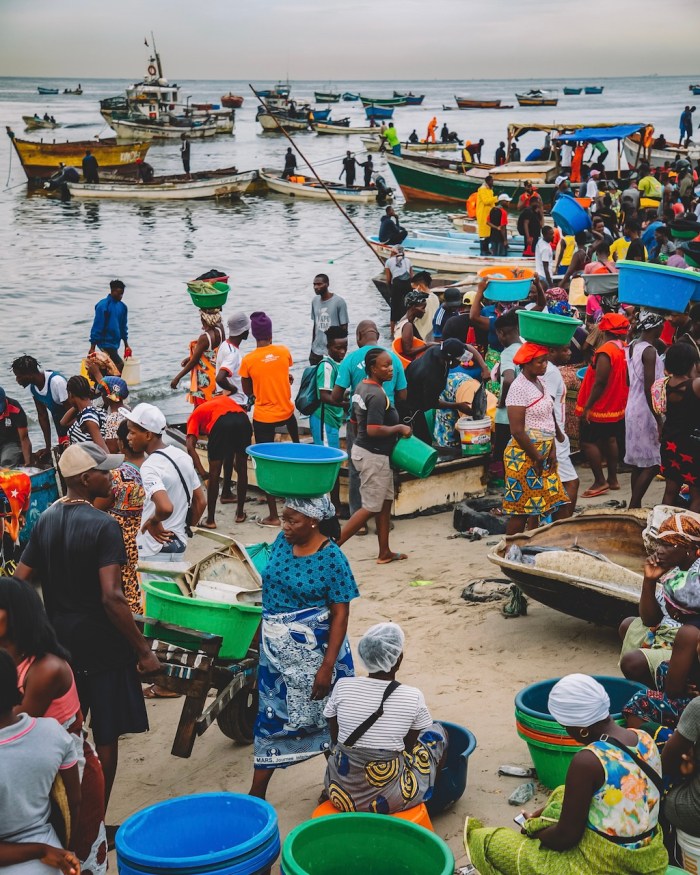
This generosity is particularly apparent in Almeida’s photographs of markets and street life. Markets are places of exchange, but also of conversation, familiarity, labor, and mutual dependence. They possess their own rhythms, shaped by recurring encounters and the accumulated gestures of those who inhabit them. Within these environments, Almeida discovers a social landscape in which individual lives intersect.
His subjects are never merely representatives of their occupations. The vendor, the worker, the passerby belong to a larger constellation of relationships, each contributing to the distinctive character of the city. Their presence carries a significance that exceeds the immediate circumstances of the photograph. What Almeida captures is not simply an activity, but the human dimension through which an activity becomes part of a shared world.
His understanding of photography is closely connected to the notion of valor: value, worth, and recognition. Almeida speaks of his practice in terms of love, suggesting that the impulse to photograph begins with an appreciation of the people and places encountered. This is not necessarily a sentimental position. Rather, it proposes that the act of looking can itself become a gesture of recognition.
As Almeida reflects, “I believe photography can be a way of recognizing and valuing someone’s existence. Many people spend much of their lives working, caring for their families, and facing challenges without their stories receiving much attention. When we dedicate time to them, listen to their experiences, and represent them with dignity, we are also affirming that their lives matter.”
He adds, “Ultimately, photography is my way of saying that these people were here, that their lives matter, and that their stories deserve to endure.”
“I believe photography can be a way of recognizing and valuing someone’s existence. Many people spend much of their lives working, caring for their families, and facing challenges without their stories receiving much attention.”
Why Being Seen Matters
There is an understated political significance to this proposition. Visibility is never distributed equally, and the history of representation is also a history of decisions about whose lives merit attention. By turning towards the everyday, Almeida quietly unsettles these hierarchies. His photographs do not require their subjects to perform importance. Their significance is already present, waiting to be perceived.
This sensibility extends to his treatment of landscape. Rather than approaching Luanda through its skyline or monumental architecture, Almeida locates the landscape within the activities that animate the city. Streets, markets, and public spaces become inseparable from the people who occupy them. The urban environment is neither static nor merely architectural; it is continually shaped by movement, labor, memory, and social interaction.
In this sense, Luanda is not simply the setting of Almeida’s photographs. It is their living substance. The city emerges through the relationships between bodies and spaces, between individual gestures and collective rhythms. Its identity is not fixed within a single image, but continually reconstituted through the encounters that make up daily existence.

Letting the Unexpected Lead
The freedom to follow these encounters is central to Almeida’s distinction between commercial photography and his artistic practice. Where professional commissions often begin with a defined objective, his personal work allows uncertainty to become productive. The photograph is not the execution of an idea already formed, but the discovery of something that could not have been entirely anticipated.
Almeida describes this openness to the unexpected as essential to his process:
“Chance plays a very important role in my work because the street never unfolds exactly as we imagine it will. We may set out with a particular intention, but it is the encounters, movements, light, and unexpected situations that often determine the direction a photograph takes. I like to walk, observe, and allow my surroundings to surprise me.”
This openness also reflects the wider creative environment in which he works. Almeida draws inspiration from his partner, friends, and fellow artists, participating in a growing network of cultural exchange in Luanda. The relationships that sustain his artistic development mirror those that animate his photographs: affinities formed through proximity, conversation, and shared experience.
His interest in extending his practice to Ghana, with plans for an exhibition bringing together photographs from Ghana and Angola, suggests a continuation of this inquiry into the relationship between place and lived experience. Rather than seeking a definitive visual identity for either country, such a project offers the possibility of discovering how different environments become legible through their particular social rhythms.
Finding Wonder in the Familiar
What ultimately distinguishes Almeida’s photography is its refusal to separate seeing from feeling, or observation from involvement. His images suggest that the world is not exhausted by what is immediately visible, and that the most familiar circumstances may contain forms of beauty and complexity that escape a distracted gaze.
As the artist observes:
“Perhaps this is one of the greatest lessons photography has given me: the realization that the extraordinary is not always somewhere far away, or found in major events. Very often, it is right in front of us, hidden within the routines of someone else’s life.”
If contemporary life increasingly demands that we look without lingering, Almeida proposes the opposite. His photographs invite us to inhabit the interval between seeing and understanding, to recognize that attention is not simply something we expend, but something through which relationships become possible.
Perhaps this is the quiet poetry of his work: the understanding that the everyday does not need to be transformed in order to become extraordinary. It needs only to be encountered with the fullness of our attention.

How Diamonds Transformed Life in Canada’s Northwest Territories

Botswanamark Diamonds Have Nothing to Hide
Botswanamark is making diamond provenance the new luxury.

The 347-Carat Giant Hiding in the Mountains of Lesotho
High in Lesotho’s rugged mountains, a 346.99-carat diamond emerged from the earth, joining a remarkable lineage of giant stones. But the story of the Lesotho Jubilee is just beginning.
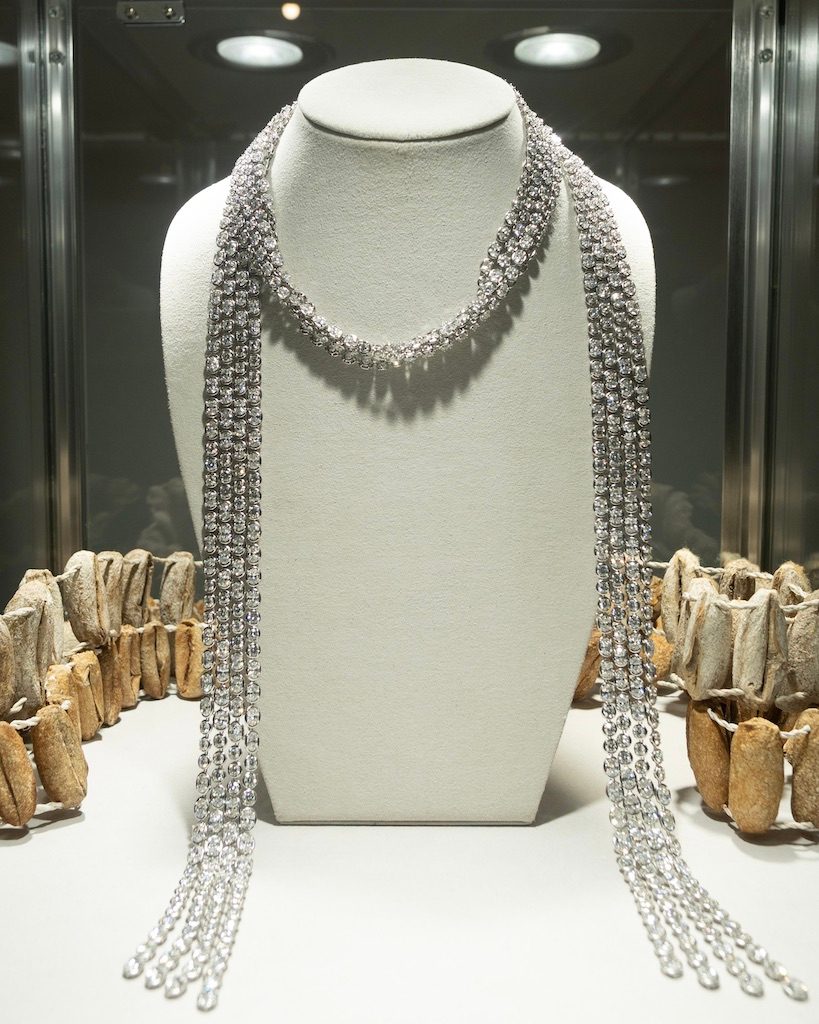
60 Years In, Botswana’s Future Is Written in Diamonds
Botswana came to New York to celebrate 60 years of independence. The conversation quickly turned to diamonds, conservation, and the women shaping what comes next.
Get the Newsletter
Sign up for the latest diamond news, delivered directly to your inbox.