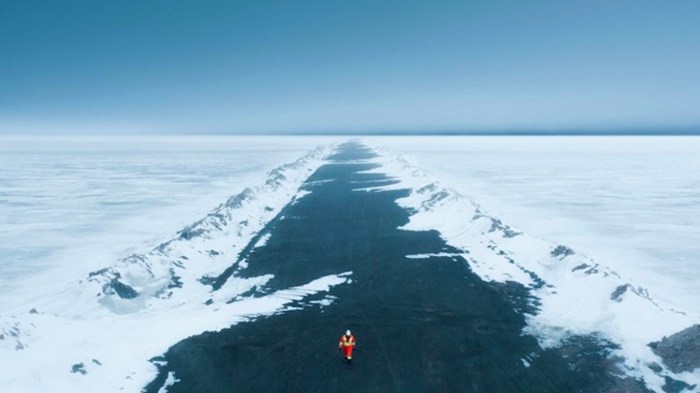
How the remote Diavik diamond mine became an Arctic beacon for renewable innovation.
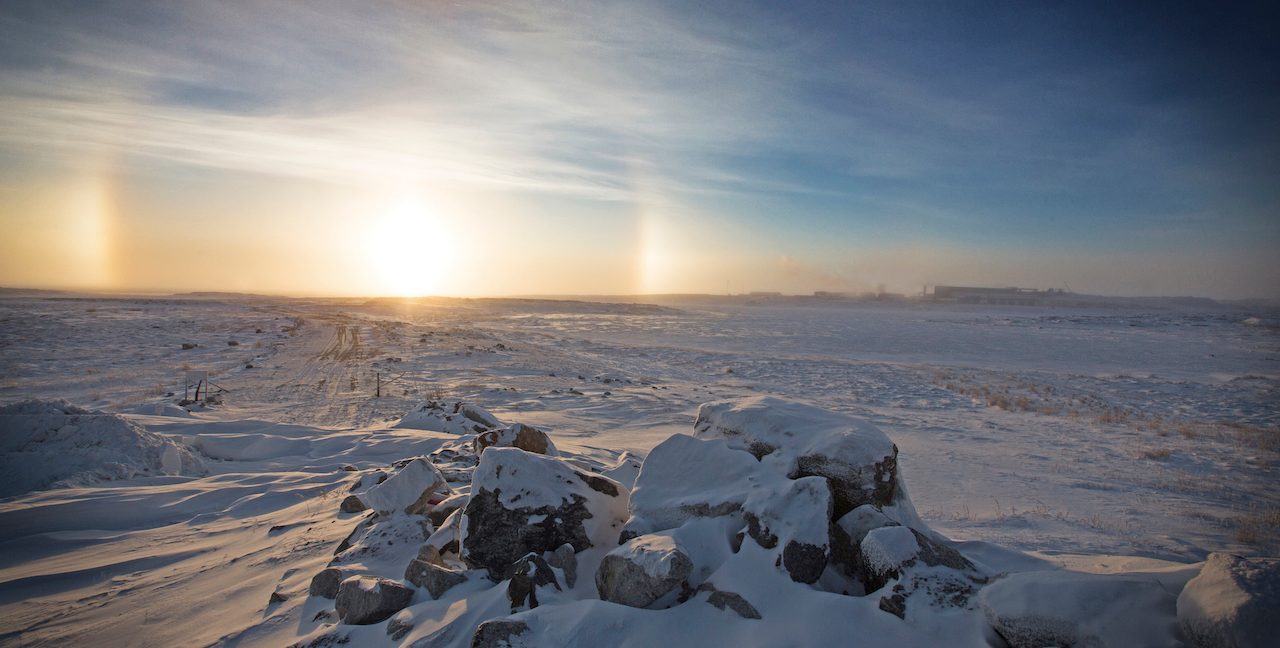
Rio Tinto’s Diavik Mine is located in the Northwest Territories of Canada. (Courtesy of De Beers Canada and Rio Tinto)
How Diamonds Transformed Life in Canada’s Northwest Territories
From new career opportunities to Indigenous-led conservation efforts, discover how diamonds have shaped the communities, economy, and future of Canada’s far north.
Jonas Sangris remembers what life was like before diamonds were discovered in Canada’s Northwest Territories. As the former Chief of the Dene First Nation, he witnessed a pivotal moment in the region’s history. In the early 1990s, metal mining was declining, threatening to leave a significant gap in the local economy.
Concerned about what would come next, Jonas approached the community elders. Their response was simple: “Don’t worry, something will come up.”
A year later, diamonds were discovered. And the Northwest Territories would never be quite the same.
How Diamonds Changed Canada’s Northwest Territories
“It was like the elders knew,” Jonas remembers.
Since the discovery of natural diamonds, Canada’s Northwest Territories has undergone a remarkable economic transformation. The region’s economy has grown by more than 80% since 1999, thanks in large part to diamond mining.
During a rare trip to the region, I learned how local leaders set out to make sure this new industry would create opportunities for the people who called the Northwest Territories home. Earlier mining operations had not always delivered widespread benefits to surrounding communities. This time, Indigenous leaders were determined to help shape a different outcome.
Working alongside mining companies and local and federal governments, Indigenous groups helped establish agreements designed to protect the land, create economic opportunities, and ensure that the benefits of diamond recovery extended beyond the mines.
Protecting the Land That Makes It All Possible
In Canada’s far north, the landscape is extraordinary—and protecting it is no small responsibility. Mining in remote environments comes with environmental challenges, making careful planning, monitoring, and accountability essential.
At the Northwest Territories’ diamond mines, environmental management begins long before the first diamond is recovered.
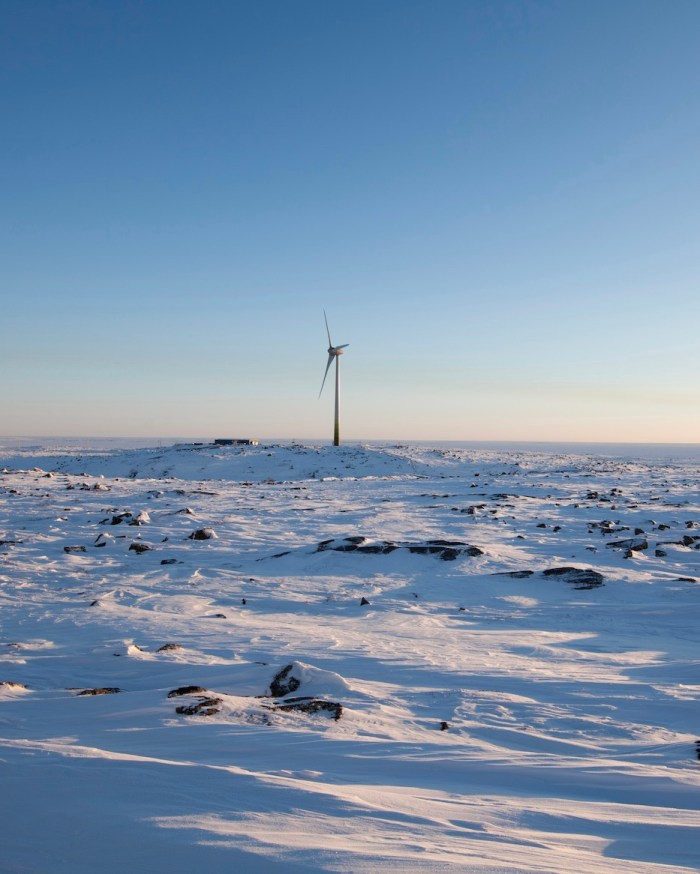
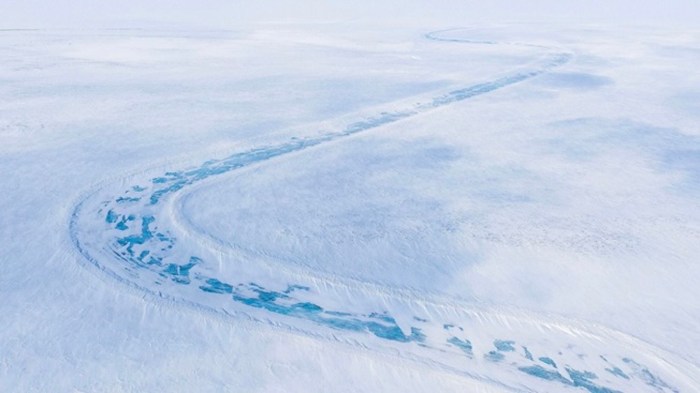
Efforts to reduce environmental impact include wind farms, carbon-related measures, and investments in renewable energy, including solar power initiatives at Rio Tinto’s Diavik mine. During my visit, I saw firsthand how teams monitor the surrounding land and wildlife, tracking changes and working to minimize disruption.
And the responsibility doesn’t end when mining stops. Mine closure agreements require companies to plan for rehabilitation and restoration, with the goal of returning disturbed areas to stable, sustainable conditions. At the Snap Lake diamond mine, that process has been a significant part of the site’s closure and reclamation work.
Where Indigenous Knowledge Meets Modern Science
Some of the most important work happening at Canada’s diamond mines brings together two very different forms of expertise: generations of Indigenous knowledge and modern environmental science.
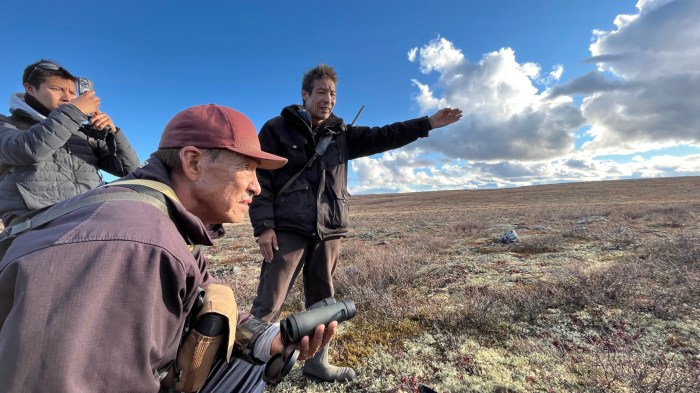
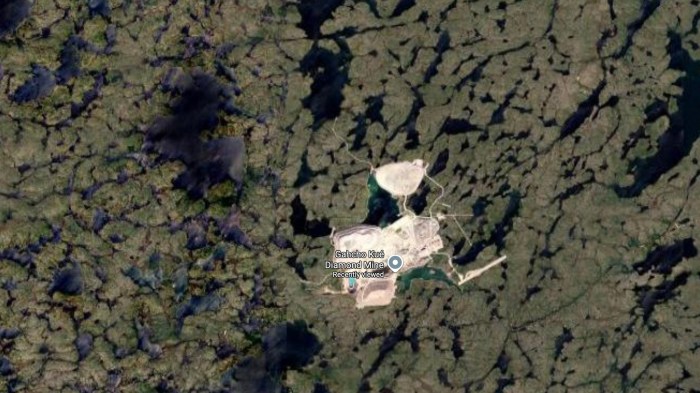
One example is Ni Hadi Xa, an organization comprising six Indigenous Nations that monitors the environmental impact of the Gahcho Kué diamond mine, owned by De Beers and Mountain Province Diamonds. Working alongside the mining companies, its mission is “to ensure that the mine’s operation does not compromise the ability of the land to support those who rely on it.”
That means combining firsthand knowledge of the land with scientific data. The organization’s work includes monitoring water quality, observing mining activities through traditional knowledge practices, and reviewing environmental management plans.
It’s an approach that gives Indigenous communities a direct role in understanding and monitoring what happens on their land. And as Indigenous Guardians programs expand across Canada, the work offers a compelling example of how traditional knowledge and contemporary conservation practices can inform one another.

What Diamond Mining Means for the Local Economy
The numbers tell a powerful story about the scale of the natural diamond industry’s economic contribution to the Northwest Territories. Since 1996, diamond mines have contributed more than $26 billion to the regional economy. More than $18 billion has gone to businesses in the Northwest Territories, including over $8 billion to Indigenous-owned companies.
Put another way, approximately 70% of that economic contribution remained within the territory. Diamond mining has also become the Northwest Territories’ largest private-sector industry, accounting for 28% of its GDP in 2022. These figures represent more than economic growth. They reflect contracts awarded, businesses supported, and opportunities created in communities across the region.
Building a Future Beyond the Mines
The economic contribution is impressive, but what if the mine becomes depleted? In the Northwest Territories, efforts to prepare for that future include local hiring, business investment, infrastructure development, and education.
The Government of the Northwest Territories’ annual socioeconomic reports document these initiatives, which are designed to help communities build economic resilience beyond the lifespan of individual mines. The benefits aren’t limited to people working directly in diamond recovery.
In 2022 alone, more than $754 million went to Northwest Territories businesses through the mines’ local procurement of goods and services. From transportation and construction to retail and other local enterprises, that spending supports a much wider network of businesses.
Diamond mining also generates government revenue through royalties and taxes, including corporate, property, fuel, and carbon taxes. Royalty rates can reach 13%, with a portion of resource revenues shared with Indigenous governments under applicable agreements.
The larger ambition is to turn the economic value of a natural resource into opportunities that can last for generations.
Diamond mining revenue is also shared with the provincial and federal governments through royalties and taxes. The royalty rate alone can be up to 13%, in addition to corporate taxes, property taxes, fuel taxes, and a carbon tax based on the mines’ fuel consumption that helps offset their carbon footprint. The government then shares these royalties with the local Indigenous groups.

For some residents, those opportunities have opened doors to entirely new careers.
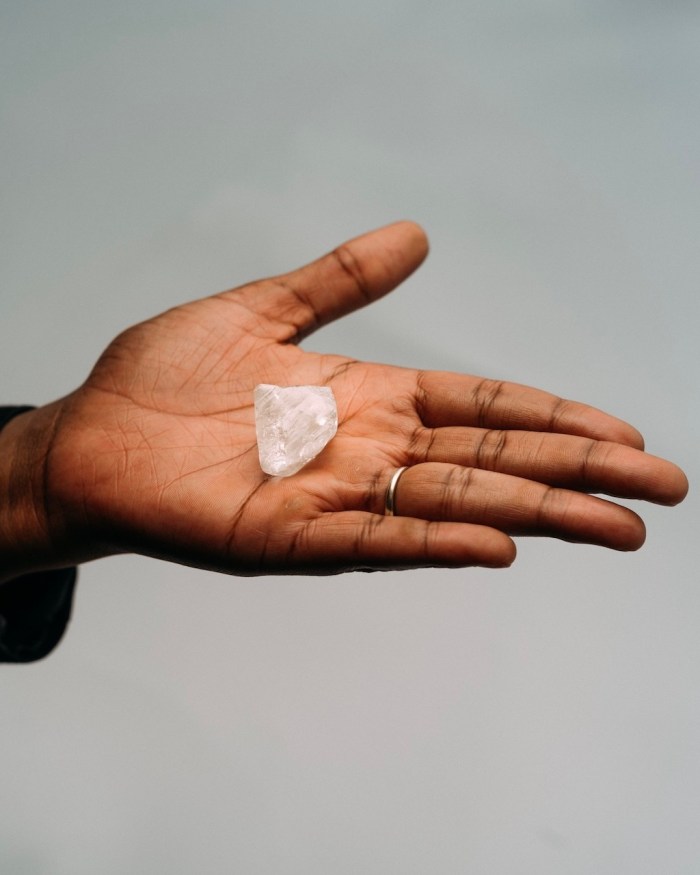
The mines supply some locally recovered rough diamonds to cutters and polishers, creating training and employment opportunities in the jewelry supply chain.
Tyrell Sangris, the grandson of Jonas Sangris, is a diamond-cutting apprentice in Yellowknife, the capital of the Northwest Territories. For Tyrell, the diamond industry has created career possibilities that previous generations might not have had close to home. He remembers how easily you could spot someone who had just landed a mining job.
“You can always tell who just started working in the diamond mines because they’ll be driving a new F-150,” he laughs.
With a population of fewer than 45,000, the Northwest Territories has a relatively small workforce, making local recruitment and training especially important.
Mining companies work with the Department of Education, Culture and Employment and organizations including the Mine Training Society, Skills Canada, and Aurora College to develop skills and support northern workers.
Crucially, many of those skills are transferable, giving residents career options that extend beyond diamond mining itself.
The Women Making Their Mark in Mining
Melanie Sangris may share a surname with Jonas and Tyrell, but she’s not related to either of them. She does, however, have her own remarkable story to tell. Born and raised in Yellowknife and a member of the Dene First Nation, Melanie became the first woman to work as a tele-remote scoop operator at Rio Tinto’s Diavik diamond mine.
Her path into the industry wasn’t exactly straightforward. “I was having a hard time navigating what to do once I was out of school,” she recalls. That changed when a friend introduced her to the Mine Training Society, where they enrolled in training programs together. Melanie quickly discovered an aptitude for heavy equipment and the technical side of diamond mining.
“Heavy equipment was new to me; I felt proud of myself that I was able to catch on quickly,” she says. “That encouraged me to learn all I can, practice and stick with it.”
Today, Melanie counts buying her first home and building a career while raising a family among her proudest achievements. Diavik has also supported her professional development through the Northern Leadership Development Program at Aurora College.
She’s far from the only person whose career has benefited from these opportunities. In 2022 alone, diamond mining companies helped 1,338 students across the Northwest Territories through financial assistance, apprenticeships, scholarships, and other educational initiatives.
I particularly like the opening because it acknowledges the shared surname without dwelling on it, then moves directly into Melanie’s achievements. It also feels more conversational and aligned with TDC’s editorial voice.
Supporting the Next Generation
Some of the diamond industry’s contributions to local communities have little to do with mining—and everything to do with everyday life. Beyond employment and education, natural diamond recovery supports a range of community development initiatives across the Northwest Territories.
One example is the Baby Bundle program, funded by the Gahcho Kué diamond mine. Designed to give new parents a little extra support during a major life transition, the program provides families expecting a child with a package of practical essentials. Inside are items ranging from vitamin D drops and digital ear thermometers to bibs and onesies, along with resources covering infant safety, nutrition, and soothing techniques.
It’s a relatively simple idea, but one that illustrates how diamond industry funding can reach families in tangible, personal ways. From Indigenous-led environmental monitoring to career training and early childhood programs, the influence of natural diamonds in the Northwest Territories extends well beyond the mines themselves.
For Jonas Sangris, who remembers the uncertainty before the first diamonds were discovered, that transformation is especially meaningful. What began as a discovery beneath the ground has helped create new possibilities for the people living above it.
*Data from the 2022 Government of the Northwest Territories Socio-economic Agreement report for mines operating in the NWT

Who Knew Snow Could Help Power a Diamond Mine?

Botswanamark Diamonds Have Nothing to Hide
Botswanamark is making diamond provenance the new luxury.

The 347-Carat Giant Hiding in the Mountains of Lesotho
High in Lesotho’s rugged mountains, a 346.99-carat diamond emerged from the earth, joining a remarkable lineage of giant stones. But the story of the Lesotho Jubilee is just beginning.

The Sublime Mystery of the Okavango Blue
Its color is almost impossibly rare, its origins are still being studied, and its latest appearance involves a Paris runway. Meet Botswana's most famous blue diamond.
Get the Newsletter
Sign up for the latest diamond news, delivered directly to your inbox.