Diamond miners in Canada are prioritizing giving back to the community

(Photographed by Eliot Oppenheimer)
Tshireletso Seoromeng Is Growing Something Extraordinary
She started at 22 with one crop of mint. Eight years later, Tshireletso Seoromeng’s Erba Farm supplies 21 stores locations across Botswana, thanks in part to support from the diamond industry.
Amid the notorious glitz and glam of Las Vegas, in the diamond-studded halls of the JCK jewelry show, Tshireletso Seoromeng touched her first diamond. But growing up in Botswana, one of the world’s leading diamond-producing nations, she had already experienced their impact firsthand.
When I have my conversation with Tshireletso, the 30-year-old owner of Erba Farm had just returned home from a long day at work – though as she tells me, the day is far from over.
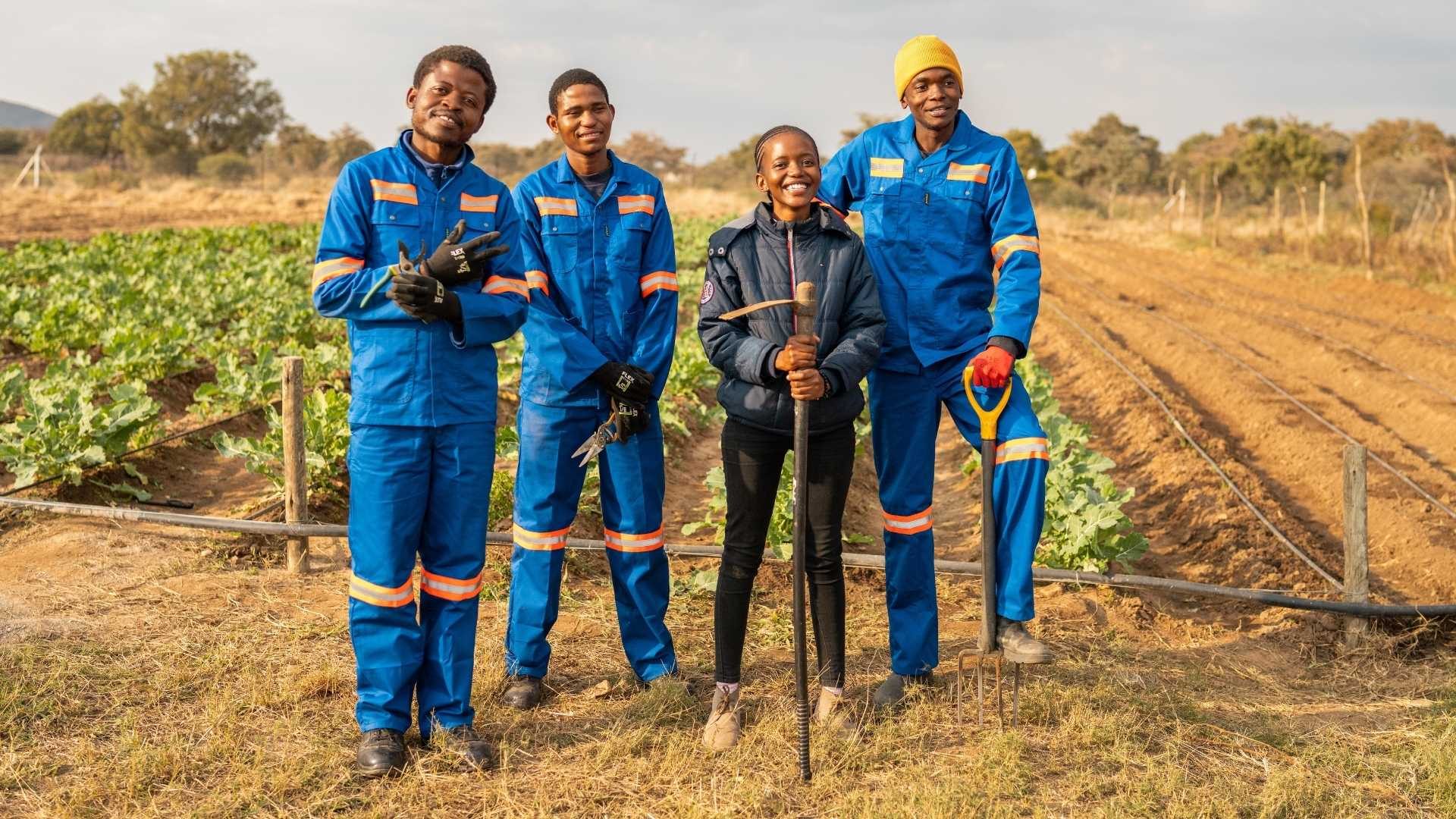
“When you have your own business it’s always like this,” she says. “You’re the first there, last to leave.” That said, she has no complaints. In just eight years, Tshireletso has scaled from a garden in her parent’s backyard to a fully fledged farm with clients across Botswana paying for her produce.
With support from Diamonds Do Good, a nonprofit backed by the diamond industry, she has transformed her small operation into a thriving business, creating opportunities for a new generation of entrepreneurs along the way.
Many good businesses begin with solving a problem, and this was closer to home than most.
It All Started With Mint
“I started the business when my parents had to cut down on spices in meals due to health reasons. I started to go on a quest looking for ways of adding flavor to our food. And I came across herbs, but it was really hard to find them in the city or in the country.” The production and transportation of herbs need serious infrastructure to ensure quality and freshness – greenhouses, boreholes, and cold storage – which is why herbs aren’t as readily available as in other countries. Still, this didn’t hinder her from starting small.
The first product she grew in the garden was mint, sold to local restaurants for cocktails. “We knocked on a couple of doors, but eventually one restaurant gave us a chance.” Parsley came two months later. Today the range runs to about 13 herbs, as well as tomatoes.
She had one secret weapon: packaging. “I packaged my herbs in such a way that people didn’t know I was operating from my backyard garden,” she says. “They thought I was a huge farm.” Perhaps she was unknowingly manifesting the beginning of an astonishingly steep upward trajectory.
Tshireletso was 22 years old when she began the business, and with a degree in procurement and supply chain management, farming wasn’t exactly the obvious career path.

Growing the Future
For years, her old classmates kept forwarding her job ads. “I would always thank them, but I never told them that I’m not applying,” she says, “because I knew what I was doing.” She had known since her first year at university that office life wasn’t for her. “I just knew that eventually [I was] going to have a business. I just didn’t know which one.” When she spotted the gap in the herb market, she ran with it.
At the time, this meant some very early mornings, even earlier than now. On delivery days, she was up at four to harvest and pack, in class by half past seven, and back out to drop off orders before the next lecture.
Some business owners might shy away from humble beginnings, but Tshireletso credits even the mistakes for her current success. As a self-taught farmer, she didn’t know some herbs could be harvested more than once, and she lost money finding out. “If I’d made those mistakes while I was already commercial, I probably would have lost a lot of money,” she says.
The Deal That Changed Everything
The biggest deal of her career started with her turning it down. When KFC approached her for tomatoes, she was still only growing herbs. Instead of bluffing, she told them the truth: she didn’t have the capacity yet. Give her a year or two, she said, and they could talk again.
“Some people, if they were to see such an opportunity, would jump into it not ready and then fail,” she says. “What do they say? Under-promise and over-deliver.”
KFC saw the potential and waited. Today, Erba Farm supplies tomatoes to all 21 of its branches in Botswana. But turning that opportunity into a reality required more than ambition. It required infrastructure, investment, and a little help from an industry that has shaped Botswana’s economy for generations.

How Opportunity Took Root
What got her ready was Diamonds Do Good, the nonprofit funded by the natural diamond industry, which has backed Erba since 2022.
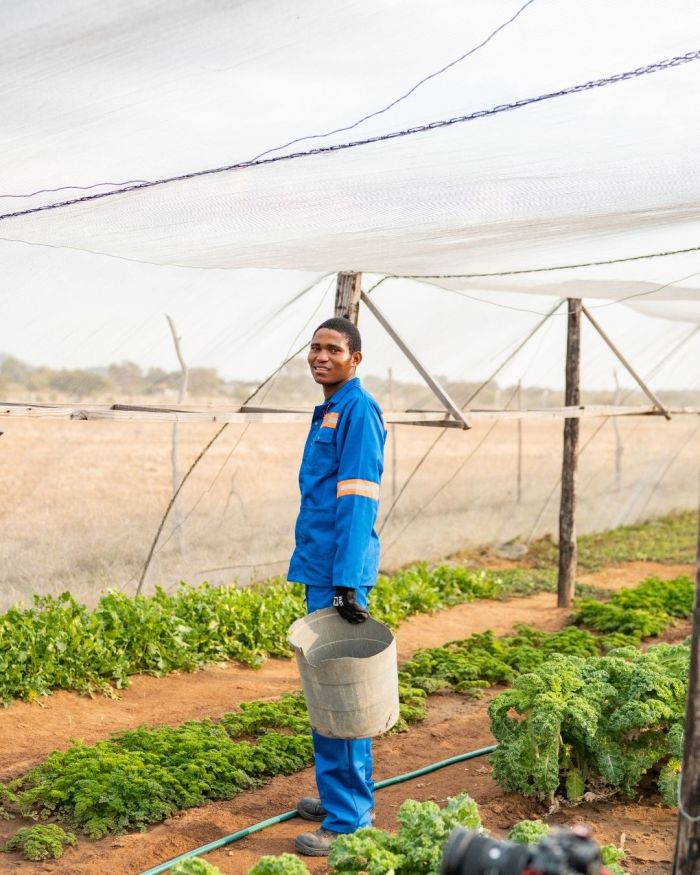
The first grant went on water. “With farming, the first priority is water. You cannot farm without water,” she says. She had just drilled a borehole on family land her grandmother left her, and the grant paid for solar-powered equipment to pump it. “To this day, I think that was the best thing I’ve ever gotten.” What was left over laid the foundations of a pack house.
In 2023 came a greenhouse, which meant tomatoes in winter, which meant a year-round supply, which sealed the KFC deal. “The one thing that global brands and these chain stores need is consistency,” she says.
A $20,000 grant in 2025 bought a shade net and a refrigerated truck. “Now we were in the big leagues!” And after she told her story at this year’s awards in Las Vegas, the industry sponsored four more greenhouse tunnels.
For Tshireletso, the connection between diamonds and opportunity is deeply personal. And it began long before she ever received her first grant.
A Life Shaped by Diamonds
When asked what she thinks of diamonds, having grown up in Botswana, she gives herself a nickname. “I think I’m what I call a ‘diamond baby’”.
She means it literally. “I went to school for free. The government would feed us. They would make sure that we had all the stationery, the books, everything,” she says. University came with a monthly allowance. Hospital visits are free for citizens. “I don’t think there are a lot of countries that can do that, and our government still does that to this day.”
Despite growing up in one of the world’s leading diamond-producing countries, Tshireletso had never actually held a diamond until this year. That changed in Las Vegas, when she took the stage at the Diamonds Do Good gala to share her story, wearing a diamond necklace by Julius Klein that had been lent to her for the evening.
She candidly says, “I was like, ‘Oh, let me give you back your necklace – actually, how much is this?’ And I almost fell off my chair when I found out.”
It was a remarkable full-circle moment. Diamonds had helped shape her education, her livelihood, and ultimately her business, yet she had never held one until that trip to Las Vegas. Their impact had been part of her life long before she experienced their sparkle.

The True Meaning of Success
Ask Tshireletso what success means now, and she doesn’t talk about money. She talks about the people. Erba employs seven people, most of them her age. “That one person is probably feeding three or four more people at home,” she says. “If you multiply that by three, it means we’re impacting twenty-one people directly. And this is something that started from my backyard garden.”
Many of her team are young people who didn’t make it through to university. She trains them in operations, disease spotting and water management, and sends them on courses to learn soil science and how to farm without harming the environment.
“If you’re going to work at Erba, you cannot leave the same way you entered,” she says. She would rather see them go. “I’ll be more proud if I see one of them starting their own farm and excelling at it.”
It’s a long way from a backyard patch of mint. And in a country where diamonds have helped create opportunities for generations, Tshireletso is determined to create opportunities of her own.
“If anyone doesn’t see that as success,” she says, “I don’t know what else is.”

How Diamonds Transformed Life in Canada’s Northwest Territories
What’s Really Happening With Diamonds from Sierra Leone?
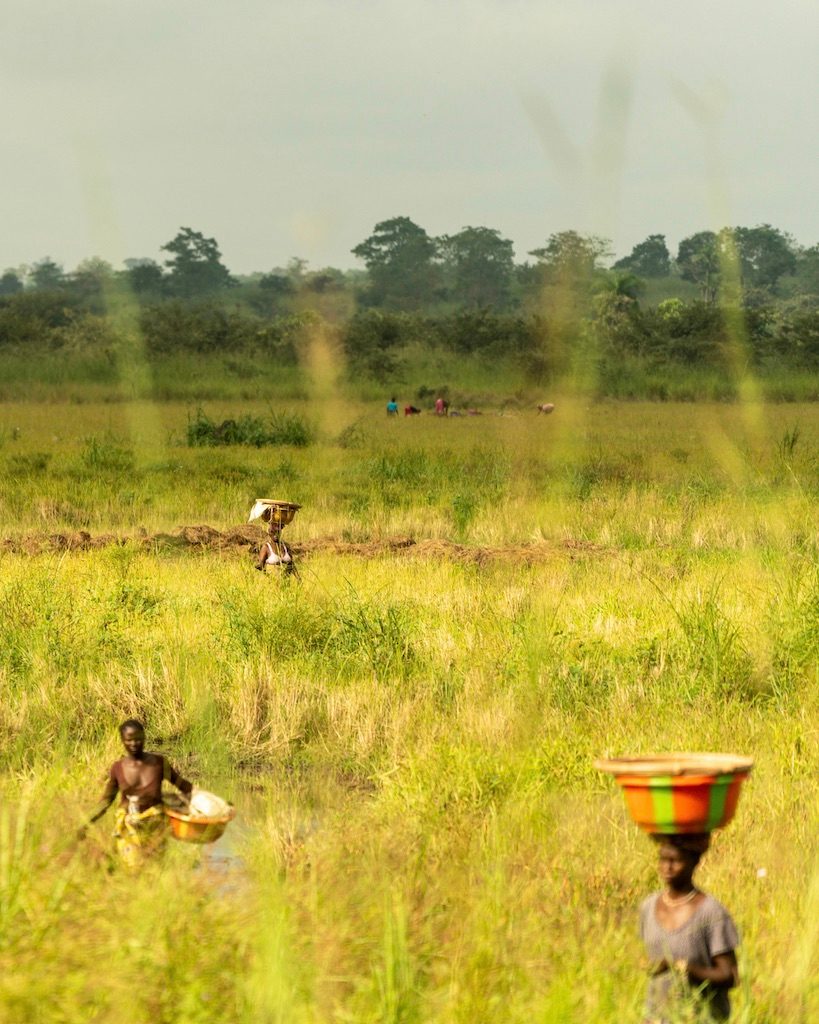
A game-changing program offers a safe, ethical and profitable path forward in Sierra Leone.

Botswanamark Diamonds Have Nothing to Hide
Botswanamark is making diamond provenance the new luxury.
A Wing and a Prayer
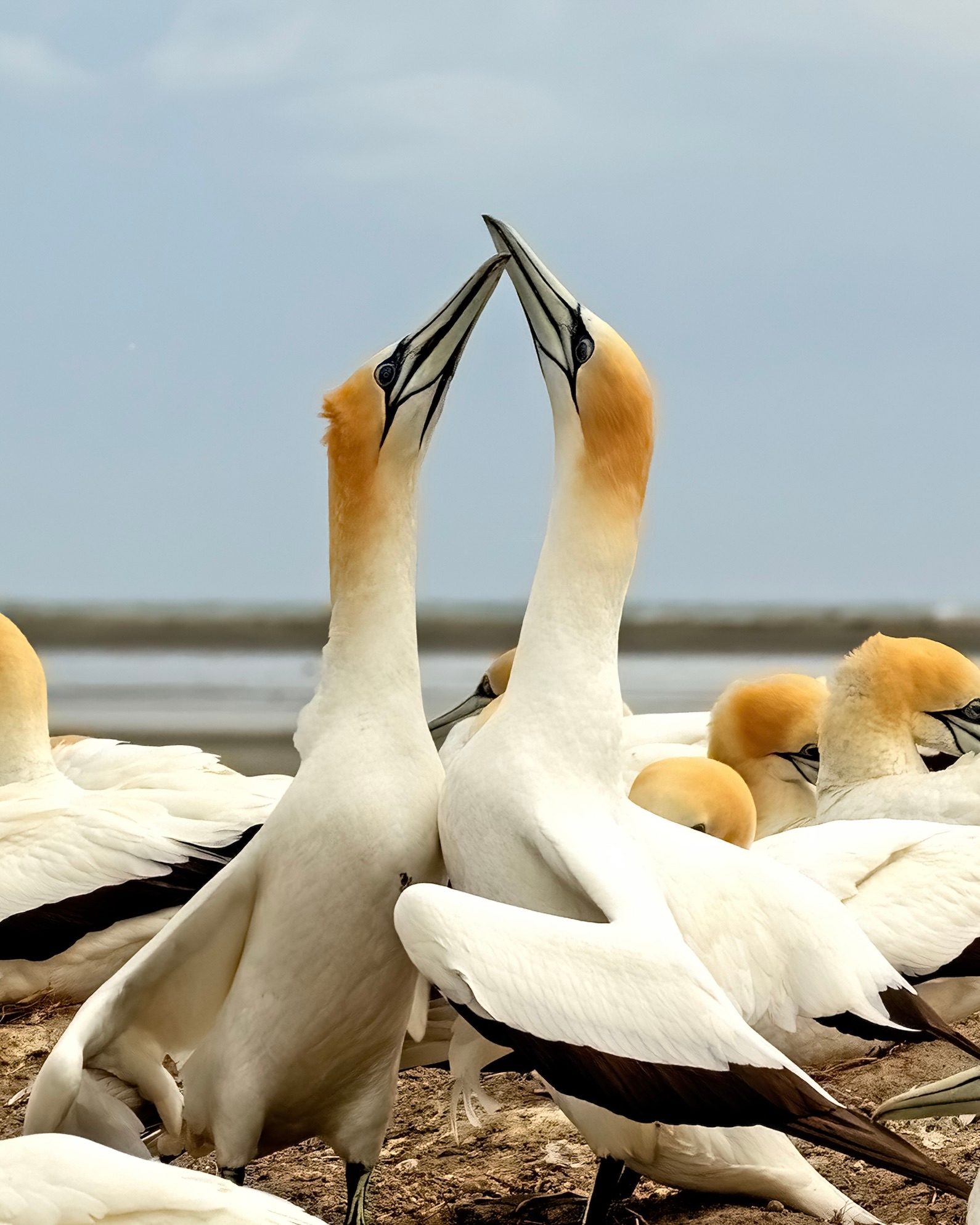
In Namibia, the diamond producing communities are unexpectedly—and expertly—saving the African penguin.
Get the Newsletter
Sign up for the latest diamond news, delivered directly to your inbox.