A game-changing program offers a safe, ethical and profitable path forward in Sierra Leone.
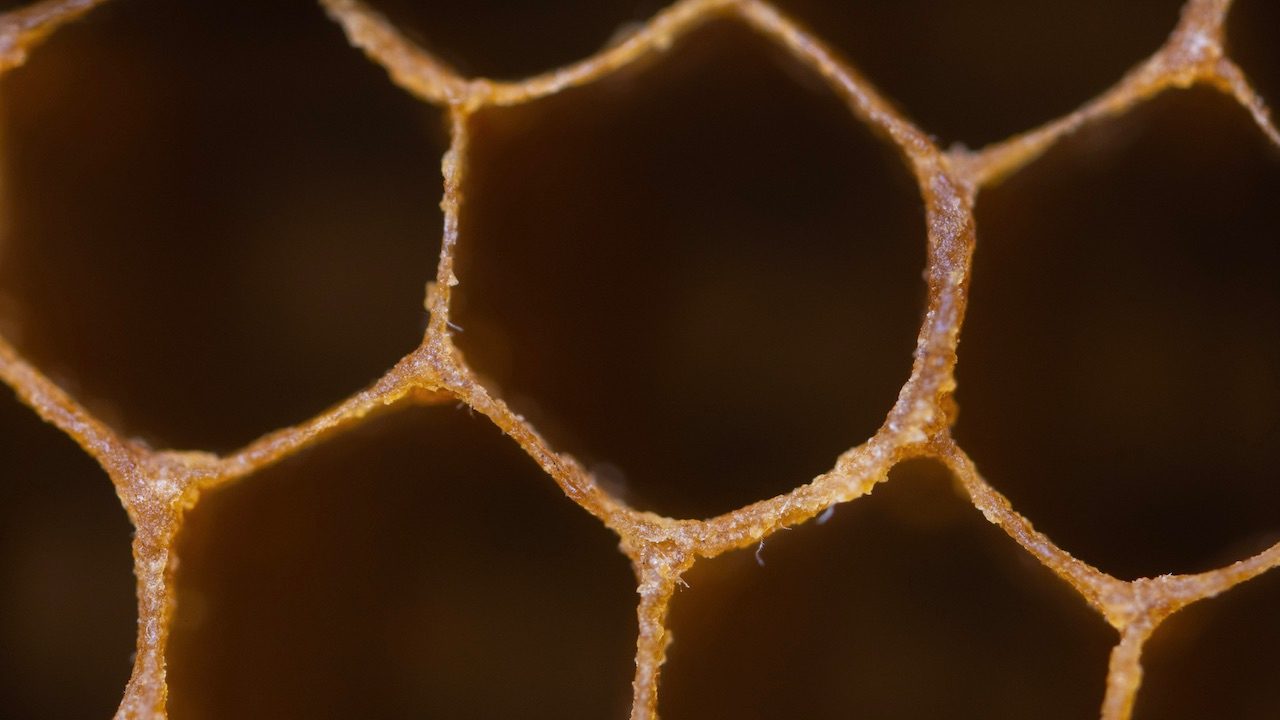
(Getty Images)
What Do Diamonds Have to Do With Bees? Everything.
Diamonds and honey bees may seem like an unlikely pair. But in South Africa, they’re part of the same story about jobs, biodiversity, and what a diamond can set in motion.
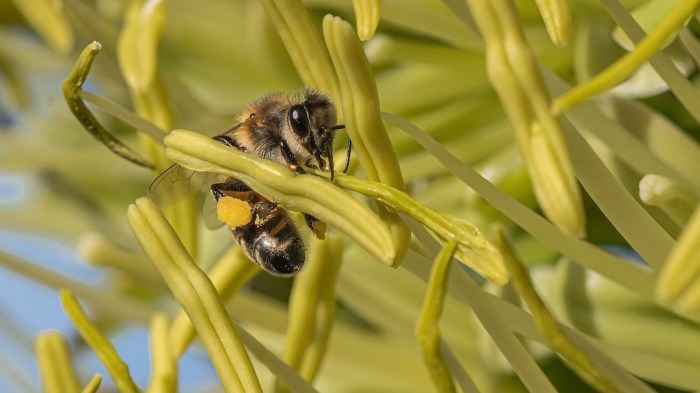
When you think about diamonds, anything from red carpets and royalty to engagement rings and grillz can come to mind. Honey bees, though? Probably not. But the connection is there, and it’s more profound than you might expect. Small as they are, honey bees play an outsized role in the health of ecosystems, food systems, and the communities that depend on them.
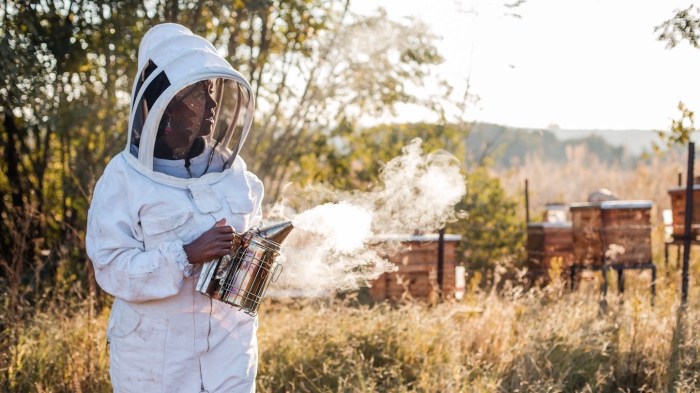
That’s where Petra Diamonds comes in. Across its mining communities in South Africa, the company’s work extends from jobs and education to local entrepreneurship and biodiversity conservation—and some of that work starts with a hive. Through its support of local beekeeping projects, Petra is creating new opportunities for entrepreneurs while helping protect the pollinators that keep entire ecosystems buzzing.
The Sweet Side of Diamonds
Petra Diamonds operates three major mines across South Africa and Tanzania, and the numbers tell a story that goes well beyond diamonds. In 2024, Petra generated nearly $400 million in economic value, with more than 93% of its procurement going to local suppliers. That means money flowing into businesses across the communities around its mines, from transportation and food to security and other essential services.
Then there are the jobs. More than 95% of Petra’s workforce is hired from local communities, with wages that far exceed regional averages. Petra also invested millions in community projects last year, supporting education, healthcare, skills development, and infrastructure. In other words, the value created at the mine doesn’t stay there.
But Petra’s approach goes deeper than salaries and services. Driven by the principle of “shared value,” the company roots the benefits of diamonds firmly within the communities where it recovers them. This philosophy drives initiatives like the groundbreaking Bongi Bees and Goodie Bees projects, both dedicated to protecting and sustaining honey bees.
Why Bees Matter So Much
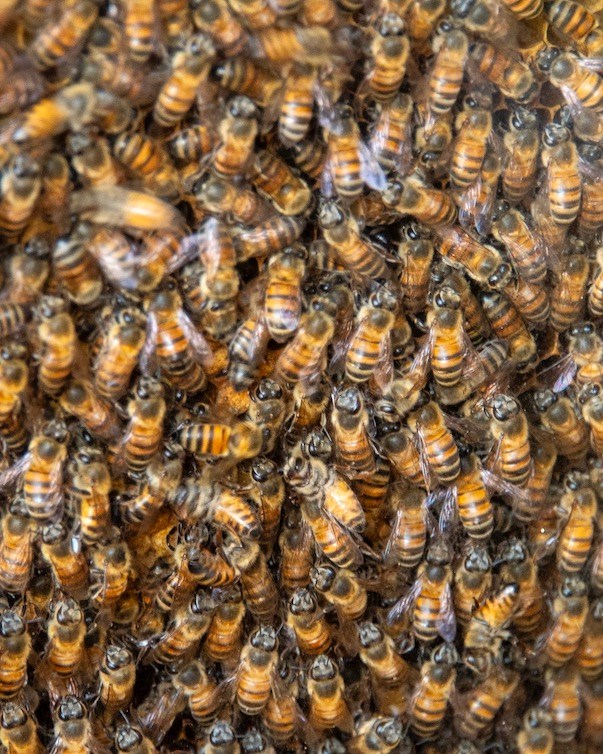
Bee populations are under serious pressure. Since the 1990s, researchers have recorded 25% fewer bee species worldwide, according to analyses of global occurrence data from the Global Biodiversity Information Facility.
The numbers get even more dramatic in the US. Between April 2024 and April 2025, the United States lost roughly 56% of its honey bee colonies—the highest loss ever recorded by the national survey led by Auburn University and the Apiary Inspectors of America.
And losing bees means losing much more than honey. Three-quarters of the world’s flowering plants and about 35% of global food crops depend on animal pollinators. Put another way, one in every three bites of food we eat relies on bees and other pollinators. According to the Intergovernmental Science-Policy Platform on Biodiversity and Ecosystem Services (IPBES), animal pollination supports an estimated US$235–577 billion in global crop production each year.
For a diamond mining company, protecting the ecosystems surrounding its operations quite literally comes with the territory. Mining inevitably interacts with the landscape, and Petra has invested in projects designed to protect and restore biodiversity around its mines. That brings us back to the bees.
The Honey and the Hustle
It began as an experiment: Petra tested honey production inside its mine using a mobile container equipped for honey extraction. When the pilot program ended, Petra could have sold the equipment. Instead, the company donated it to Bongi, a local beekeeper just 12 kilometers from the mine.
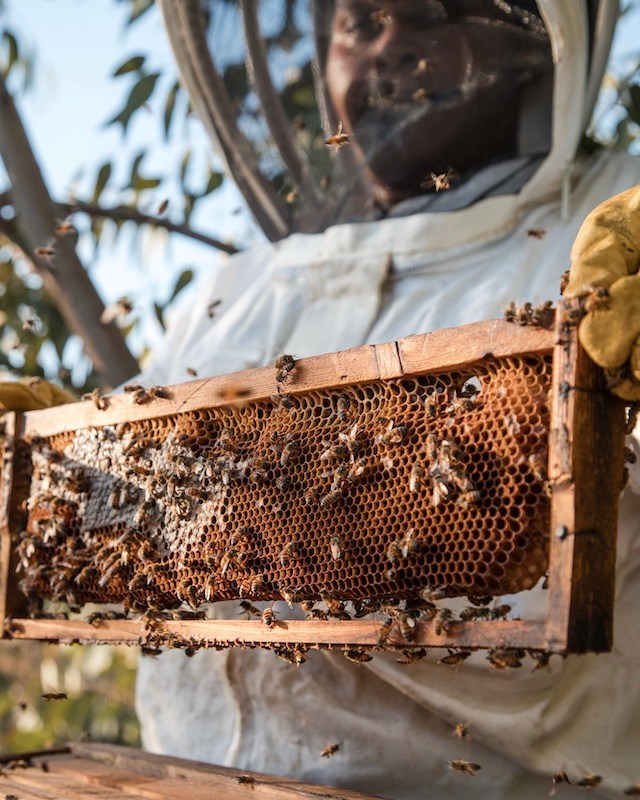
What started with one container has since become a full-fledged business. Bongi now operates a licensed honey station with professional-grade extractors, stainless steel settling tanks, and protective beekeeping gear supplied by Petra. Lulu Letlape, managing director of Bongi Bees, has gone from informal honey harvesting to running a university-level operation. And she’s bringing other women with her: the station also serves as a training hub, giving local women the skills to build businesses of their own.
Petra has continued to invest in the operation, upgrading its infrastructure as demand grows. “The support goes beyond a mere contribution,” Letlape says. “It is an investment in growth and sustainability.”
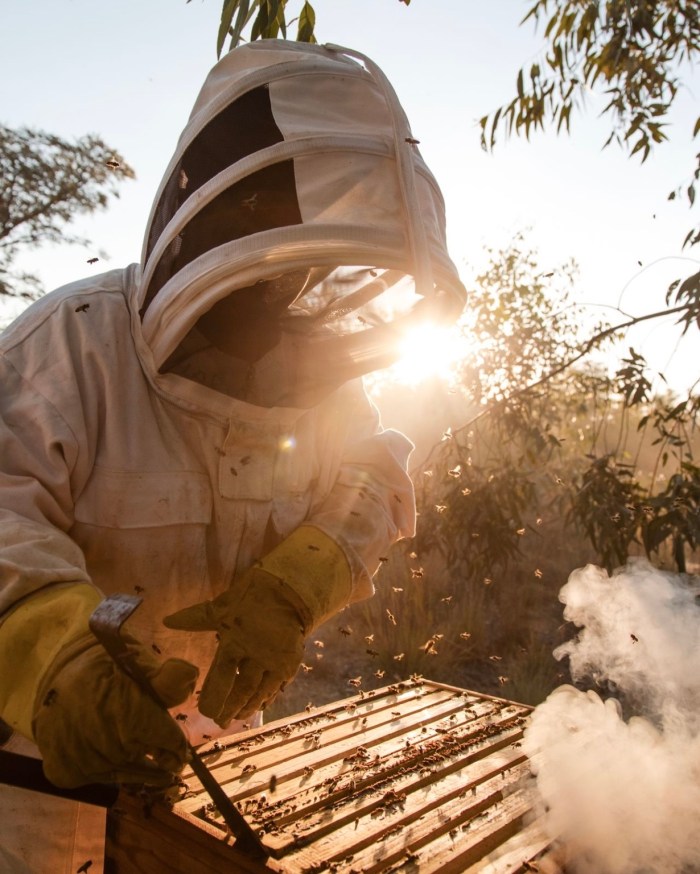
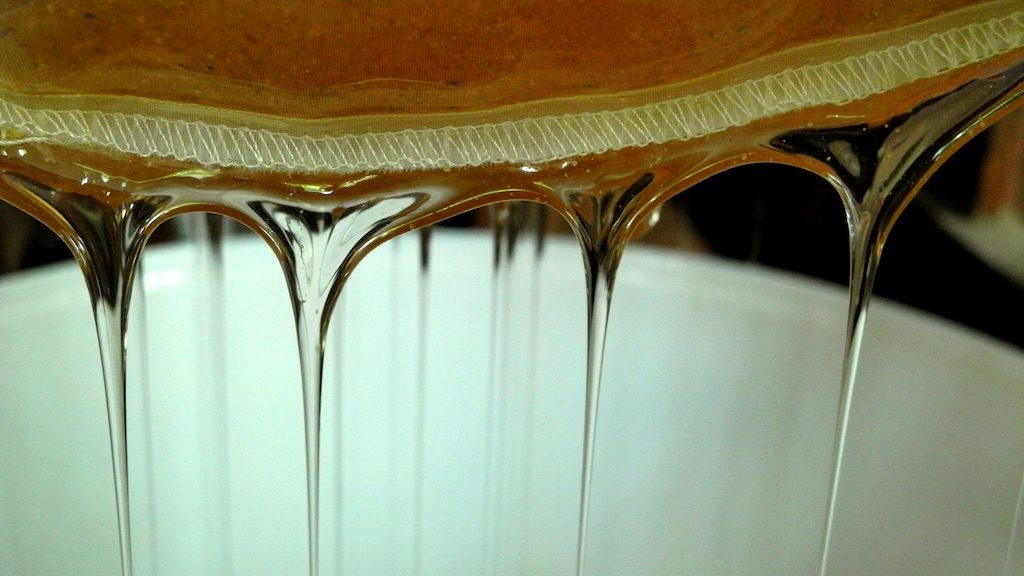
Just a few miles from Bongi Bees, Petra gave Mngonezulu Elliot Machete’s Goodie Bees project the tools to take production to the next level: a honey spinner, settling tank, decapping station, and sachet packaging machine.
The result? Production nearly tripled. Goodie Bees went from producing 1,340 kilograms of honey annually to 3,600 kilograms—the equivalent of nearly 5,000 large jars. The operation can now package honey more efficiently and reach a wider market, and its honey has the hardware to prove it, taking gold at a national competition. Next up: food-safety certifications and new products, including honey granules for natural flu relief.
“Before the intervention and funding, harvesting was traditional and worked against the bees,” Machete says. “It destroyed combs, forcing the bees to spend more time repairing damage, and outsourcing the process was costly. With the proper machinery donated, we’ve saved time, and production is now efficient.”
Beyond the Hives
Petra’s beekeeping projects are one part of a much bigger story unfolding in the regions where it recovers diamonds. Each year, the company invests millions in biodiversity conservation across its mine sites, with nearly 7,000 hectares of protected land under its care.
Petra’s support for local schools and training programs reaches thousands of students, while partnerships with regional health services provide screenings, clinics, and health education to more than 8,000 residents each year.
In a way, it works a little like a hive: everything is connected. Environmental health supports food security. Education creates opportunity. Local businesses create jobs. One investment can strengthen another, spreading the value created by diamonds throughout the communities around them.
Follow a diamond’s journey, and you start to see just how far its reach can extend: buzzing apiaries, thriving schools, growing local businesses, and protected landscapes. Taken together, they make the hive comparison feel surprisingly on point. The value created by diamonds moves through communities in much the same way: one opportunity creates another, and the whole becomes stronger for it.
What’s Really Happening With Diamonds from Sierra Leone?
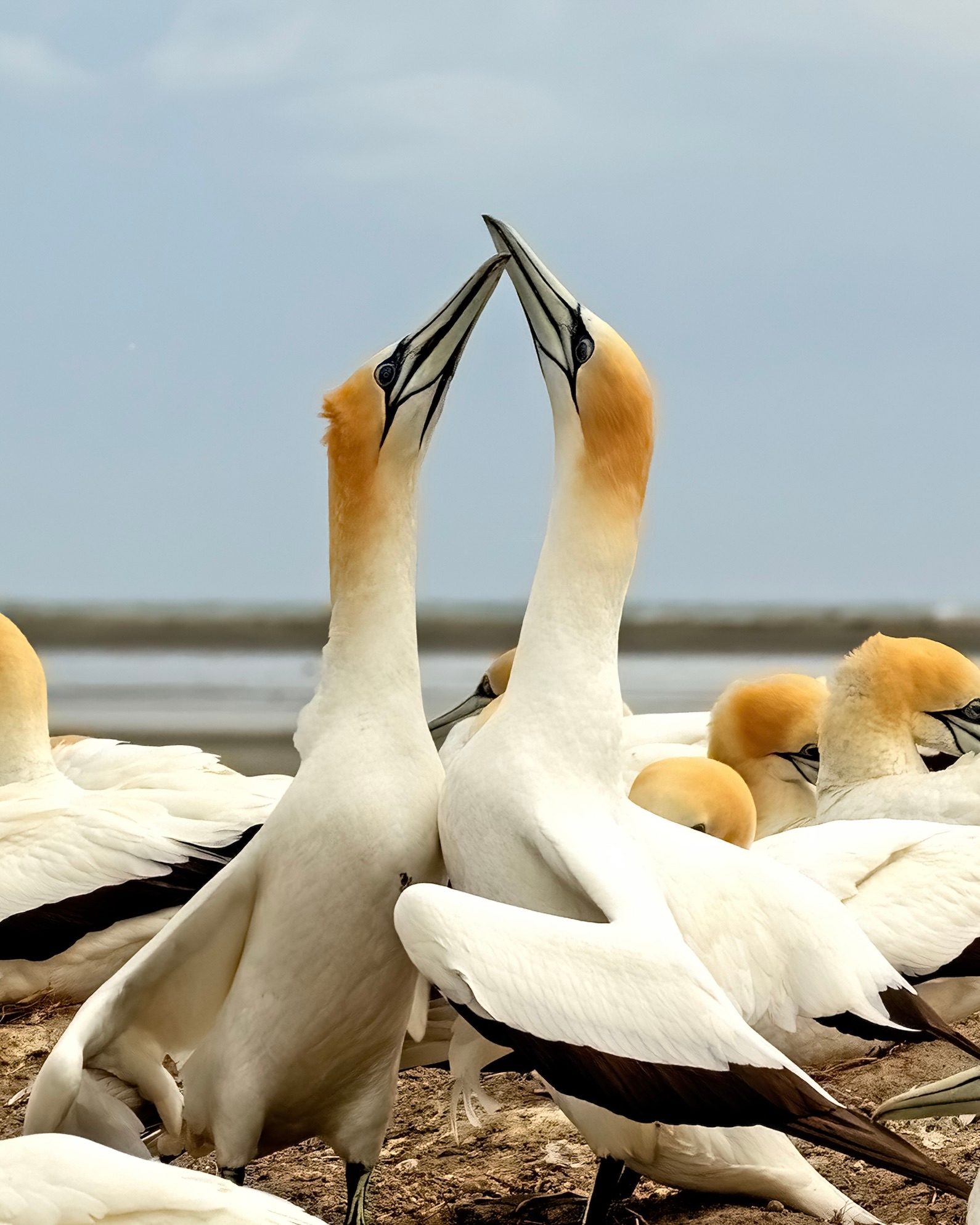
A Wing and a Prayer
In Namibia, the diamond producing communities are unexpectedly—and expertly—saving the African penguin.

Tshireletso Seoromeng Is Growing Something Extraordinary
Amid the notorious glitz and glam of Las Vegas, in the diamond-studded halls of the JCK jewelry show, Tshireletso Seoromeng touched her first diamond. But growing up in Botswana, one of the world’s leading diamond-producing nations, she had already experienced their impact firsthand. When I have my conversation with Tshireletso, the 30-year-old owner of Erba […]

Vandilson Almeida Finds the Extraordinary in Everyday Luanda
For Angolan photographer Vandilson Almeida, the most profound moments are often the ones we overlook. His intimate portraits of Luanda reveal a city alive with beauty, connection, and possibility.
Get the Newsletter
Sign up for the latest diamond news, delivered directly to your inbox.